7 Packaging Design Trends Shaping Brands in 2026
Packaging is no longer simply a protective layer around a product. Today, it is an important part of brand identity, customer experience and purchasing decisions. As competition increases across retail and e-commerce, businesses need packaging that communicates value before customers even try the product.
The 7 packaging design trends explored in this article reflect how modern brands are responding to changing consumer expectations. Sustainability, simplicity, personalisation and visual storytelling are becoming increasingly important. At the same time, packaging must remain practical, recognisable and commercially effective.
Whether you are launching a new product or refreshing an established brand, understanding these trends can help you make better creative decisions. The right packaging can attract attention, strengthen trust and encourage customers to remember your business.
Why Packaging Design Matters More Than Ever
Modern consumers interact with packaging before they interact with many products. A package may be the first physical impression someone has of a brand.
This is particularly important in crowded retail environments. Products often compete for attention within seconds. Strong packaging helps communicate what the product is and why it deserves consideration.
E-commerce has also changed expectations. Customers increasingly share unboxing experiences through social media. Therefore, attractive packaging can become part of a brand’s marketing strategy.
The 7 packaging design trends are especially relevant because they combine visual appeal with practical customer expectations. Successful packaging is not simply attractive. It should also support usability, recognition and brand consistency.
7 Packaging Design Trends Brands Should Know
The 7 packaging design trends gaining attention today show a clear movement towards meaningful, flexible and customer-focused design. Although each trend has its own visual characteristics, they share one objective: making products more memorable.
1. Sustainable and Responsible Packaging
Sustainability remains one of the strongest influences on packaging design. Consumers are increasingly aware of excessive packaging and unnecessary materials.
Brands are responding by exploring recyclable, reusable and biodegradable materials. Lightweight packaging can also reduce transportation requirements and material consumption.
However, sustainability should be more than a marketing message. Businesses should consider the complete packaging lifecycle, including sourcing, manufacturing, transportation and disposal.
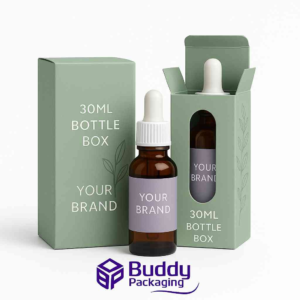
Good sustainable design can also look sophisticated. Natural textures, restrained printing and simple structural designs can create a premium appearance without excessive decoration.
As part of the 7 packaging design trends, sustainable packaging demonstrates that environmental responsibility can work alongside strong branding.
2. Bold and Expressive Typography
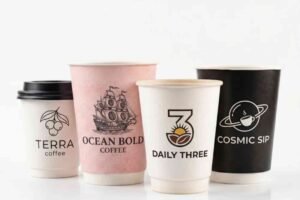
Typography is becoming a major visual element in modern packaging. Large type can immediately communicate a product name, flavour, benefit or brand personality.
Bold lettering works particularly well when packaging needs to stand out from a distance. It can also create a distinctive visual identity across different products.
Modern brands are experimenting with oversized words, unconventional typefaces and expressive lettering. Nevertheless, readability should remain the priority.
Typography should help customers understand the product quickly. Creative fonts are useful only when they remain easy to recognise.
Among the 7 packaging design trends, expressive typography is one of the simplest ways to refresh an established product without completely changing its identity.
3. Minimalist Packaging With Maximum Impact
Minimalism continues to influence packaging across many industries. Instead of filling every available space, designers are using fewer elements with greater purpose.
Clean layouts can make products feel premium and trustworthy. They can also improve readability and help important information stand out.
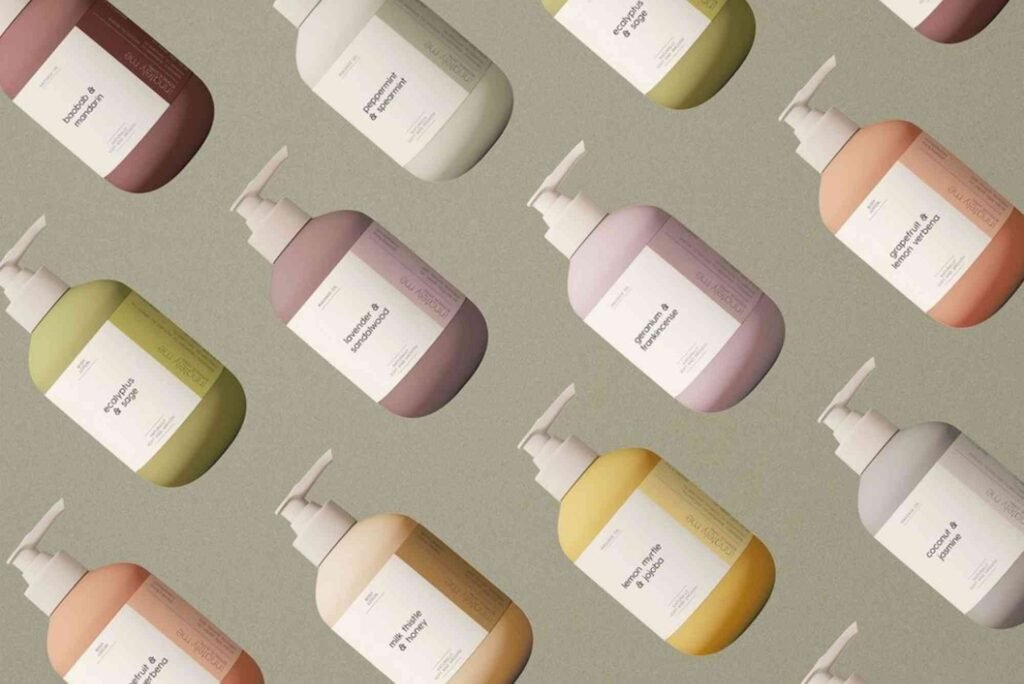
Minimalist packaging often uses generous spacing, restrained colour palettes and straightforward messaging. This approach is particularly effective for beauty, wellness, food and technology brands.
However, minimalism does not mean making packaging boring. A carefully selected colour, distinctive logo or unusual structural detail can create strong visual recognition.
This is why minimalist design remains an important part of the 7 packaging design trends shaping contemporary branding.
4. Personalised Packaging Experiences
Personalisation is moving beyond digital marketing and entering physical packaging. Brands are creating packages that feel more relevant to individual customers.
Limited-edition designs, personalised messages and region-specific artwork can make products feel special. Even small details can create a stronger emotional connection.
Personalised packaging can also support campaigns and seasonal launches. A brand might use different artwork while maintaining its core identity.
For online businesses, personalised packaging can make an ordinary delivery feel more memorable. Customers may be more likely to photograph and share a package when it feels unique.
Within the 7 packaging design trends, personalisation demonstrates how packaging can become part of the customer relationship rather than simply a container.
5. Packaging Inspired by Nature
Natural visual elements are becoming increasingly popular. Designers are using botanical illustrations, earthy textures and organic shapes to create a more authentic appearance.
This approach works especially well for food, skincare, supplements and lifestyle products. Nature-inspired packaging can communicate freshness, simplicity and responsible sourcing.
Importantly, this trend does not require every package to look rustic. Contemporary designers can combine natural imagery with modern typography and sophisticated layouts.
Brands should choose natural elements that support their positioning. Otherwise, the design may appear generic.
The strongest 7 packaging design trends are not about following fashion blindly. They are about choosing visual techniques that reinforce the product’s actual personality.
6. Interactive and Smart Packaging
Technology is creating new opportunities for packaging. QR codes, augmented reality experiences and digital product information can turn physical packages into interactive brand touchpoints.
A QR code can direct customers towards recipes, product instructions, loyalty programmes or behind-the-scenes content. This provides additional value without overcrowding the physical design.
Interactive packaging can also support authenticity. Customers may scan a package to learn about ingredients, sourcing or manufacturing.
The technology should always serve a useful purpose. Adding a digital feature simply because it is fashionable may create unnecessary complexity.
As one of the 7 packaging design trends, interactive packaging shows how physical and digital brand experiences are becoming increasingly connected.
7. Memorable Unboxing and Tactile Experiences
Packaging is increasingly designed around the entire customer experience. This is particularly important for e-commerce brands.
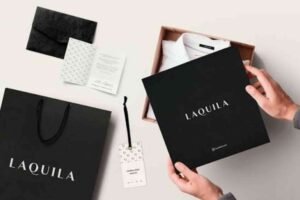
Customers may remember how a package feels, opens and presents the product. Special folds, textured materials, internal messages and carefully arranged components can make an ordinary delivery more engaging.
Tactile elements can also create a premium impression. Embossing, textured finishes and thoughtful structural design can communicate quality without relying on excessive graphics.
The objective is not to make packaging complicated. Instead, every interaction should feel intentional.
This final trend completes the 7 packaging design trends by highlighting the importance of experience. Packaging should create a positive impression from the first touch to the moment the product is removed.
Comparing the 7 Packaging Design Trends
| Packaging trend | Main purpose | Suitable brand qualities | Key consideration |
|---|---|---|---|
| Sustainable materials | Reduce environmental impact | Responsible and modern | Material lifecycle |
| Bold typography | Increase shelf visibility | Confident and energetic | Readability |
| Minimalist design | Improve clarity | Premium and sophisticated | Avoid blandness |
| Personalisation | Build emotional connection | Friendly and customer-focused | Maintain brand consistency |
| Nature-inspired visuals | Communicate authenticity | Fresh and natural | Avoid generic imagery |
| Interactive packaging | Connect physical and digital experiences | Innovative and modern | Provide useful content |
| Memorable unboxing | Improve customer experience | Premium and engaging | Keep the experience practical |
The table shows that the 7 packaging design trends can serve very different business objectives. Brands should select trends according to their audience, product and positioning.
How to Choose the Right Packaging Trend
Following every trend is rarely a good strategy. Packaging should reflect the brand rather than temporarily imitate competitors.
Start by identifying your audience. Consider what matters to them and how they discover products. Retail customers may respond to strong shelf visibility, while online shoppers may value an impressive unboxing experience.
Next, consider your product. Packaging for fragile goods requires different priorities from packaging for cosmetics or food.
Budget is another important factor. Some design changes can be achieved through typography and colour. Others require new materials, printing processes or structural engineering.
It can also help to explore packaging design inspiration when developing initial concepts. Inspiration should guide creative thinking, not replace original brand strategy.
Using Custom Packaging to Strengthen Brand Identity
Generic packaging can make it difficult for customers to remember a business. Custom Packaging provides greater control over colours, structure, messaging and materials.
A custom solution can be designed around the exact dimensions of a product. This can improve protection while reducing unnecessary space.
It also creates opportunities for distinctive brand experiences. A carefully designed package can reinforce the same visual identity customers see on a website, advertisement or social media profile.
For businesses operating in competitive markets, this consistency can be valuable. Customers should recognise a brand even before reading its name.
Why Location Can Influence Packaging Design
Packaging can also reflect where a business operates. Local references, cultural influences and regional preferences may affect colours, imagery and messaging.
For example, brands serving different markets may adapt packaging while retaining their central identity. Understanding the Buddy Packaging Location can help businesses consider practical distribution and market-specific requirements.
However, localisation should be handled carefully. Cultural symbols and language should be researched before being incorporated into commercial packaging.
Common Mistakes to Avoid
Even attractive packaging can fail when design decisions are disconnected from practical needs.
One common mistake is prioritising appearance over usability. Customers still need to open, store and handle products easily.
Another problem is excessive information. Too much text can make packaging difficult to scan. Important product information should remain clear.
Some brands also follow trends too closely. A design that looks fashionable today may quickly appear dated.
The best approach is to combine current ideas with timeless brand fundamentals. The 7 packaging design trends should inspire your strategy rather than dictate it.
Frequently Asked Questions About Packaging Design
What are the latest packaging design trends?
What are the most popular packaging trends in 2026?
The most noticeable trends include sustainable materials, bold typography, minimalism, personalisation, nature-inspired visuals, interactive features and memorable unboxing experiences.
These approaches reflect growing demand for environmentally responsible, distinctive and customer-focused packaging.
Why is sustainable packaging becoming popular?
Why do brands use sustainable packaging?
Sustainable packaging can help businesses reduce material waste and respond to environmentally conscious customers. Recyclable and responsibly sourced materials can also strengthen brand positioning.
However, sustainability claims should be accurate and supported by genuine environmental practices.
What makes packaging design effective?
What should good packaging design include?
Effective packaging should communicate the product clearly, represent the brand consistently and provide a practical customer experience.
It should also consider durability, readability, production costs and the environment in which customers will encounter the product.
How can packaging influence buying decisions?
Does packaging affect consumer behaviour?
Yes. Packaging can influence first impressions, perceived quality and brand recognition. Strong visual hierarchy helps customers understand a product quickly.
Distinctive packaging can also improve recall after customers leave a shop or browse multiple products online.
How do I find packaging design inspiration?
Where can designers find packaging ideas?
Designers can explore packaging portfolios, retail environments, branding projects and creative communities. Studying successful packaging across different industries can reveal useful patterns.
The goal should be to identify principles that can be adapted to the brand rather than copying another company’s design.
Conclusion: Turn Packaging Into a Brand Experience
The 7 packaging design trends show how packaging is becoming more strategic, sustainable and experience-driven. Modern customers expect more than attractive boxes or labels. They want clarity, authenticity and memorable experiences.
Sustainable materials can demonstrate responsibility. Bold typography can improve visibility. Minimalism can create sophistication. Personalisation can build connection, while interactive features can extend the customer journey.
Most importantly, packaging should support the brand’s wider strategy. Trends may provide inspiration, but strong design comes from understanding the product and its audience.
If you are planning a packaging refresh, start by reviewing your current design against these trends. Explore suitable Custom Packaging options, study relevant packaging design inspiration and identify opportunities to make every customer interaction more memorable. A thoughtful package can turn a simple product into a recognisable brand experience.
Related Reading: blog packaging design
Related Reading: bad packaging design — full guide
Related Reading: book packaging design — full guide