About Packaging Design: A Complete Guide for Modern Brands
Introduction
When people learn about packaging design, they often think only about colours, logos and attractive boxes. However, professional packaging goes much further. It combines branding, communication, functionality, materials and customer experience.
Packaging is often the first physical interaction between a customer and a product. Before consumers test what is inside, they notice the outside. Therefore, the package must communicate value quickly and clearly.
A successful design can make a product easier to recognise. It can also create trust and influence purchasing decisions. At the same time, effective packaging protects the product during storage, transport and use.
Whether you run a small business or an established brand, understanding about packaging design can help you make better commercial decisions. Good design connects creative ideas with practical business goals.
What Is Packaging Design?
Packaging design is the process of creating the visual and physical presentation of a product. It can involve boxes, bottles, cartons, pouches, tubes, wrappers, labels and containers.
The design includes several creative decisions. These include colour, typography, imagery, structure, materials, finishes and information placement.
However, attractive packaging alone is not enough. The package must also be practical and appropriate for its intended product.
For example, food packaging may need protection from moisture. Cosmetic packaging may need a premium appearance. E-commerce packaging may require greater protection during delivery.
Therefore, about packaging design is really about finding the right balance between appearance, function and communication.
Why Is Packaging Design Important?
Packaging design plays an important role in how customers perceive a product. It can communicate quality before the customer has used the item.
A strong package can also help products compete in crowded retail environments. Clear branding makes it easier for shoppers to identify familiar products.
In addition, packaging can influence perceived value. Premium materials and carefully considered finishes may make a product feel more sophisticated.
Good packaging also supports the wider brand identity. Consistent colours, typography and visual elements create recognition across different products.
Research and professional design guidance commonly emphasise packaging’s role in attention, communication, usability and brand perception.
The Main Elements of Packaging Design
Understanding about packaging design requires looking at the individual elements that make a package effective.
Colour
Colour can communicate personality, category and emotion. Bright colours may create energy and visibility. Softer colours can suggest simplicity or elegance.
However, colour choices should reflect the target audience. They should also work consistently across the complete product range.
Typography
Typography affects readability and brand personality. Customers should understand the main product information without struggling to read it.
Headlines should receive appropriate visual emphasis. Supporting information should remain clear without competing with the main message.
Imagery
Images and illustrations can communicate a product’s character quickly. They can also create emotional associations with the brand.
However, imagery should support the product rather than create confusion. Every visual element should have a clear purpose.
Shape and Structure
The physical shape can make packaging distinctive. A unique structure may also improve handling, opening or storage.
Structural decisions should always consider production costs and product protection. A beautiful package is unsuccessful if it cannot perform reliably.
Materials and Finishes
Paperboard, glass, metal, plastic and flexible materials each offer different advantages. The choice depends on the product, budget and distribution method.
Finishes can also influence perception. Matte coatings, gloss finishes, embossing and special textures can create different experiences.
Packaging Design and Brand Identity
Packaging is one of the strongest physical expressions of a brand. It gives customers something tangible to associate with the company.
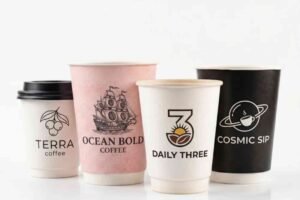
A consistent design system can make different products look connected. This is particularly useful when a business has several sizes, flavours or product variations.
For example, a brand might use one typography system across its entire range. It could then change colours to distinguish individual products.
This approach creates recognition while allowing each product to remain distinctive.
When exploring about packaging design, remember that the package should not exist separately from the brand. It should feel like a natural extension of the company’s identity.
How Packaging Design Influences Customer Behaviour
Customers make quick judgements when viewing products. Packaging can help them understand what a product is and whether it suits their needs.
Clear information reduces uncertainty. Strong visual hierarchy also allows customers to find important details quickly.
Meanwhile, distinctive packaging can create curiosity. A memorable design may encourage customers to investigate a product more closely.
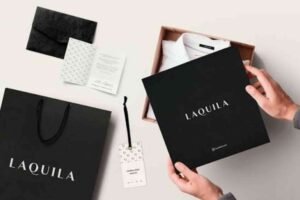
Packaging also contributes to the unboxing experience. This is especially important for products purchased online.
A carefully considered experience can encourage customers to share photographs and reviews. Consequently, packaging can continue promoting a brand after the purchase.
Custom Packaging and Business Growth
Custom Packaging gives businesses greater control over how products are presented. Instead of relying on generic containers, brands can create packaging around their specific requirements.
Custom solutions can support brand recognition. They can also improve product protection and create a more memorable customer experience.
However, custom packaging should begin with a clear objective. Businesses should understand their audience, product requirements and production limitations before creating the design.
The best results come from combining creativity with practical planning. Designers should consider dimensions, materials, printing, transportation and storage from the beginning.
The Packaging Design Process
A professional packaging project normally starts with research. The designer needs to understand the product, audience, competitors and market position.
The next stage involves developing concepts. Designers explore different visual directions and consider how each idea communicates the brand.
After selecting a direction, the design is refined. Typography, colours, imagery and information hierarchy receive greater attention.
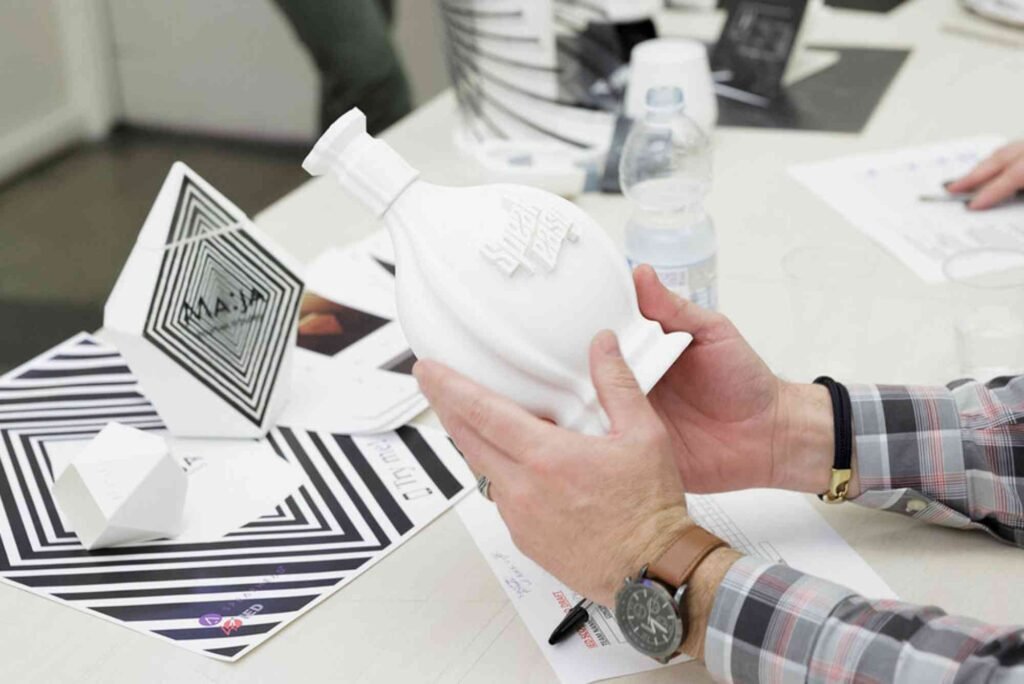
Structural packaging may require prototypes. Physical samples help reveal problems that are difficult to identify on a computer screen.
The final stage involves production preparation. Artwork needs accurate dimensions, appropriate colour settings, bleeds and other technical specifications.
This process reduces costly production mistakes. It also ensures the final package looks close to the original creative intention.
Packaging Design Inspiration
Finding packaging design inspiration can help designers explore different creative approaches. Inspiration may come from retail stores, design exhibitions, competitor products and everyday objects.
However, inspiration should not become imitation. A strong designer studies why an idea works rather than simply copying its appearance.
Look at how successful packages use space. Consider their typography, colour relationships, materials and information hierarchy.
It is also useful to study packaging outside your own industry. A technique used in cosmetics might inspire an innovative food package.
The goal is to discover possibilities while developing an original visual language for the brand.
Sustainable Packaging Design
Sustainability has become an important consideration in modern packaging. Businesses increasingly examine how materials affect waste and resource consumption.
Sustainable design can involve reducing unnecessary material. It may also involve recyclable, reusable or responsibly sourced materials.
However, sustainability should be approached carefully. Environmental claims should be accurate and supported by appropriate evidence.
Designers can also improve sustainability through structural efficiency. Using less material can reduce both waste and transportation requirements.
The most effective approach considers environmental impact alongside product protection and customer expectations.
Packaging Design for E-Commerce
Online shopping has changed how packaging needs to work. Customers often see product images before they ever see the physical package.
Therefore, packaging should remain recognisable in online photographs. Strong branding can help products stand out on crowded digital platforms.
Delivery also introduces additional challenges. Packages may experience movement, pressure and handling during transportation.
A successful e-commerce design therefore needs both visual appeal and physical durability. It should protect the product without creating unnecessary packaging waste.
Packaging Design Trends
Modern packaging is increasingly focused on simplicity, sustainability and memorable experiences. Minimal designs can make important information easier to understand.
Brands are also experimenting with tactile finishes and distinctive structures. These details can create stronger physical connections with customers.
Personalisation is another growing area. Digital printing can make it easier for businesses to produce limited editions and targeted packaging.
Accessibility is also becoming more important. Clear typography, strong contrast and understandable information can make products easier to use.
Ultimately, trends should support the brand rather than replace strategy. A design should remain relevant even after a particular visual trend disappears.
Common Packaging Design Mistakes
One common mistake is trying to communicate too much information. Overcrowded packaging can make important messages difficult to notice.
Another problem is weak brand visibility. Customers should be able to identify the company without searching the package.
Poor readability can also reduce effectiveness. Decorative typography may look attractive but become difficult to read at smaller sizes.
Ignoring production requirements creates further problems. Designs should be tested against real materials, dimensions and printing processes.
Finally, some brands focus entirely on appearance. Packaging must also protect the product and provide a practical customer experience.
Packaging Design and Location
For businesses working with specialist packaging providers, understanding production capabilities can simplify the process. Buddy Packaging Location can be relevant when researching packaging services and assessing practical production considerations.
Location may affect shipping costs, turnaround times and communication. Therefore, businesses should consider these factors before selecting a packaging partner.
A suitable provider should understand both creative requirements and production realities. This helps turn a promising concept into reliable finished packaging.
Packaging Design Cost Considerations
Packaging design costs vary considerably. The final price depends on the project’s complexity, number of products and required services.
Simple label designs usually require less work than completely custom structural packaging. Prototypes, specialist finishes and multiple product variations can increase the overall budget.
Businesses should also consider production costs. An inexpensive design may become expensive if it requires inefficient materials or complicated manufacturing.
Therefore, cost should be assessed across the entire packaging lifecycle. The best solution provides strong brand value without creating unnecessary production expenses.
Packaging Design Comparison
| Packaging Approach | Main Benefit | Best For | Key Consideration |
|---|---|---|---|
| Standard Packaging | Lower production complexity | New or budget-conscious brands | Limited differentiation |
| Custom Packaging | Strong brand identity | Established and growing brands | Higher initial investment |
| Sustainable Packaging | Reduced environmental impact | Eco-conscious brands | Material performance |
| Premium Packaging | Higher perceived value | Luxury products | Production cost |
| E-Commerce Packaging | Better delivery protection | Online retailers | Shipping efficiency |
How to Create Better Packaging Design
Effective packaging starts with the customer. Understand what they need, value and expect from the product.
Next, study competing products. Identify common visual patterns and opportunities for differentiation.
Keep the main message clear. Customers should quickly understand the product and recognise the brand.
Test designs at realistic sizes. A package that looks impressive on a large computer screen may not work on a small shelf.
Finally, test the physical package before production. Handling, opening, stacking and transportation can reveal important practical issues.
A successful design should look good, communicate clearly and work reliably in the real world.
Frequently Asked Questions About Packaging Design
What is packaging design?
Packaging design is the visual, structural and functional development of a product’s package. It combines branding, information, materials and usability.
Why is packaging design important?
Packaging design helps attract attention, communicate product information and strengthen brand recognition. It can also influence perceived quality and purchasing decisions.
What makes good packaging design?
Good packaging is attractive, clear, functional and appropriate for its audience. It should protect the product while communicating the brand effectively.
How does packaging design affect consumer buying behaviour?
Packaging can influence first impressions and perceived product value. Clear and distinctive designs can help customers understand products and make purchasing decisions.
What are the main elements of packaging design?
Important elements include colour, typography, imagery, structure, materials, information hierarchy and finishes. These elements should work together as one coherent design.
Is custom packaging worth the investment?
Custom packaging can be worthwhile when differentiation and brand experience are important. The value depends on the product, audience, production volume and business objectives.
How does sustainable packaging design work?
Sustainable packaging focuses on reducing unnecessary material and selecting suitable recyclable, reusable or responsibly sourced options. It should balance environmental considerations with product protection.
Conclusion
Learning about packaging design reveals that effective packaging is much more than attractive artwork. It is a combination of strategy, creativity, communication and practical engineering.
The strongest packaging communicates quickly. It protects the product and supports the brand. It also creates an experience that customers can remember.
Whether you are launching a new product or redesigning an existing range, careful packaging decisions can strengthen your market position. Start by understanding your audience and product requirements.
Then develop a design that combines distinctive branding with practical performance. Test the concept before production and refine it using real-world feedback.
If you are ready to improve your product presentation, begin exploring professional packaging solutions today. A thoughtful package can turn a simple product into a memorable brand experience.
Related Reading: bad packaging design