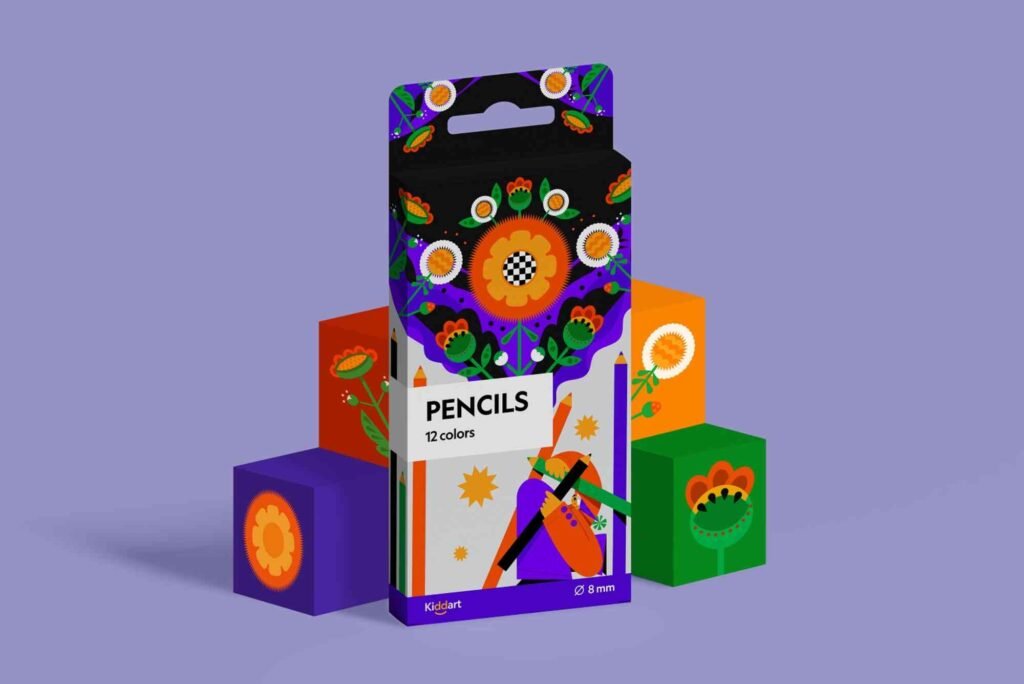
2D Packaging Design: A Complete Guide for Modern Brands
Packaging is often the first physical interaction a customer has with a product. Before opening a box, bottle, pouch, or carton, people notice its visual presentation. This is where 2d packaging design becomes essential. It combines graphics, typography, colours, illustrations, measurements, and branding elements into a flat design that can later become physical packaging.
A strong design does more than make a product look attractive. It communicates what the product is, who it is for, and why customers should choose it. Therefore, businesses need packaging that balances creativity with practical production requirements.
Whether you are launching a new product or refreshing an existing brand, understanding 2d packaging design can help you make better decisions. The right approach can improve recognition, shelf appeal, usability, and customer trust.
What Is 2D Packaging Design?
2d packaging design is the process of creating packaging artwork on a two-dimensional digital or physical surface. Designers develop the visual layout before it is printed, folded, cut, or assembled into its final three-dimensional form.
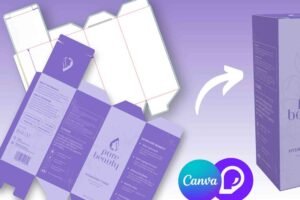
For example, a carton may appear three-dimensional when manufactured. However, its artwork begins as a flat dieline. The designer places logos, product information, colours, illustrations, and other elements across that surface.
The design must also account for folds, cuts, glue areas, barcodes, and printing limitations. Consequently, effective packaging requires both creative thinking and technical accuracy.
Why 2D Packaging Design Matters
Good packaging can influence how customers perceive a product. In competitive markets, visual presentation can help one product stand apart from dozens of alternatives.
Creates a Strong First Impression
Customers often make quick decisions when browsing products. An organised and attractive package can immediately communicate quality.
For this reason, businesses should consider packaging part of their overall marketing strategy. The visual language should match the brand and appeal to its target audience.
Builds Brand Recognition
Consistent colours, fonts, logos, and graphic elements make products easier to recognise. Over time, customers may identify a brand before reading its name.
A carefully planned 2d packaging design system can therefore support long-term brand recognition across multiple products.
Communicates Product Information
Packaging needs to provide useful information without becoming visually overwhelming. Product names, descriptions, ingredients, instructions, warnings, and other details must be arranged clearly.
Good hierarchy helps customers find important information quickly. Headings, contrasting text, spacing, and suitable typography all contribute to better communication.
Supports Product Differentiation
A crowded marketplace requires visual distinction. Unique illustrations, layouts, typography, and colour combinations can help a product develop its own identity.
However, originality should not come at the expense of clarity. Customers should still understand the product quickly.
Key Elements of Effective 2D Packaging Design
Several elements work together to create successful packaging artwork. Each one should support the product’s purpose and brand personality.
Colour
Colour can influence emotions and expectations. Natural tones may suggest organic products, while vibrant colours can create an energetic impression.
The chosen palette should also work across different printing processes. Colours may appear differently on screens and physical materials, so production testing is important.
Typography
Typography affects readability and personality. A premium product might use refined typefaces, while a children’s product could use friendlier lettering.
Designers should avoid using too many fonts. A limited typographic system usually creates stronger visual consistency.
Imagery and Illustration
Photography, illustrations, patterns, and icons can make packaging more memorable. They can also explain a product without relying entirely on text.
Images should remain relevant to the product. Decorative elements should support communication rather than distract from essential information.
Logo Placement
The logo should be visible without dominating every part of the package. Its position should work with the overall hierarchy.
Consistent logo placement can also create a recognisable system when a business sells several products.
White Space
White space gives visual elements room to breathe. It prevents packaging from appearing crowded and makes important information easier to read.
Many inexperienced designs try to fill every available area. In practice, controlled empty space can make packaging look more professional.
2D Packaging Design and Brand Identity
Packaging should feel like a natural extension of a company’s identity. When customers see the package, they should recognise the brand’s personality.
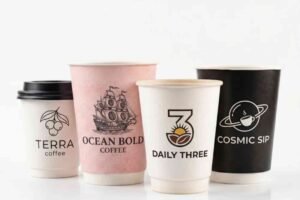
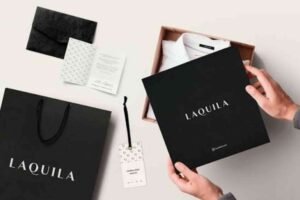
For example, a luxury brand may use restrained typography, sophisticated colours, and minimal graphics. A youthful brand might use stronger contrasts, expressive illustrations, and playful typography.
This connection between packaging and branding creates consistency. Businesses can also use Custom Packaging to develop a distinctive physical experience around their products.
A consistent identity becomes particularly important when a company expands its product range. Similar design principles can connect different packages while allowing each product to remain distinctive.
From 2D Artwork to Physical Packaging
Creating artwork is only one stage of the packaging process. Designers must understand how the flat design will behave when manufactured.
A typical workflow includes research, concept development, dieline preparation, artwork creation, technical checking, proofing, and production.
The designer needs to understand where folds and cuts will occur. Important text should not accidentally cross a fold or disappear beneath a glued section.
Similarly, barcodes and regulatory information must remain readable after production.
| Design Element | Main Purpose | Important Consideration |
|---|---|---|
| Logo | Brand recognition | Keep it visible |
| Colour palette | Visual identity | Check print accuracy |
| Typography | Communication | Prioritise readability |
| Images | Product appeal | Use relevant visuals |
| Dieline | Production structure | Match physical dimensions |
| White space | Visual balance | Avoid unnecessary clutter |
| Product information | Customer guidance | Maintain clear hierarchy |
| Barcode | Product scanning | Keep it readable |
Common Mistakes in 2D Packaging Design
Even attractive concepts can fail when practical requirements are ignored. Understanding common mistakes can prevent expensive revisions.
Overloading the Design
Too much text, too many colours, or excessive graphics can make packaging difficult to understand.
Instead, identify the most important message and build the visual hierarchy around it.
Ignoring the Dieline
A beautiful design can become unusable if it does not follow the packaging structure. Designers should always check folds, cuts, seams, and bleed areas.
Choosing Style Over Readability
Creative typography may look impressive but become difficult to read at small sizes. Packaging must work in real-world conditions, not only on a computer screen.
Forgetting the Target Audience
A design should reflect customer expectations. What works for a premium skincare product may not work for children’s snacks.
Understanding the audience should therefore come before choosing colours, imagery, and typography.
Practical Packaging Design Tips
Strong results usually come from combining creativity with disciplined planning. These packaging design tips can help designers and businesses create more effective artwork.
First, understand the product and target audience before designing. Next, establish the brand’s visual direction and define the main communication priorities.
Keep important information easy to find. Test typography at its actual printed size rather than relying only on a large monitor preview.
It is also useful to review the design from different distances. Packaging must remain recognisable when customers see it from a shelf or display.
Finally, always prepare a realistic mock-up before approving production. A flat screen design does not always reveal how artwork will look after folding and assembly.
How Technology Is Changing 2D Packaging Design
Modern design software has made packaging development faster and more flexible. Designers can create accurate vector artwork, prepare production files, test variations, and develop realistic mock-ups.
Digital workflows also make collaboration easier. Marketing teams, designers, printers, and manufacturers can review artwork before production begins.
Three-dimensional visualisation can further help teams understand how a flat design will appear on finished packaging. However, digital previews should support physical testing rather than completely replace it.
Choosing a Professional Packaging Designer
A professional designer should understand both visual communication and packaging production. Ask to see previous packaging projects, especially work involving similar materials or product categories.
Experience with dielines, print specifications, colour management, typography, and production constraints is valuable.
Communication is equally important. The designer should be able to explain why particular design decisions support the product and its audience.
If your business operates across different markets, consider practical requirements such as language, regulatory information, accessibility, and cultural expectations.
How Much Does 2D Packaging Design Cost?
The cost varies according to the project’s complexity. A simple label usually requires less design work than a detailed folding carton with custom illustrations.
Other factors include the number of packaging variations, required revisions, illustration work, technical preparation, and printing requirements.
| Project Type | Typical Complexity | Cost Influences |
| Simple Label | Low | Layout and typography |
| Product Box | Medium | Dieline and artwork |
| Premium Carton | High | Detailed graphics and finishes |
| Multiple Product Range | High | Variations and brand consistency |
| Custom Illustrated Package | High | Original illustration and revisions |
Businesses should consider packaging an investment rather than simply an expense. Effective design can improve recognition, support positioning, and influence purchasing decisions.
What Makes Good Packaging Design Successful?
Successful 2d packaging design combines appearance, communication, and production practicality. It should immediately identify the product while reinforcing the brand.
The strongest designs usually have a clear visual hierarchy. They use colours and typography purposefully and avoid unnecessary decoration.
Most importantly, they work in the physical environment where customers will encounter them. A package should remain attractive, readable, and recognisable after printing, folding, shipping, and display.
Frequently Asked Questions About 2D Packaging Design
What Is 2D Packaging Design?
2D packaging design is the creation of flat artwork that will eventually become physical packaging. It includes graphics, text, colours, branding, and technical elements.
What Is the Difference Between 2D and 3D Packaging Design?
2D design focuses on flat artwork and dielines. 3D packaging design represents how the finished package will look after folding, assembly, or manufacturing.
Both approaches are useful. The 2D artwork is essential for production, while 3D visualisation helps evaluate the final appearance.
What Software Is Used for 2D Packaging Design?
Professional designers commonly use vector and layout software for packaging artwork. The specific choice depends on the project’s requirements and production workflow.
The important factor is not simply the software. Designers must understand print preparation, dielines, colour systems, typography, and packaging specifications.
What Are the Basic Principles of Packaging Design?
The main principles include clarity, hierarchy, consistency, readability, balance, and brand relevance. Good packaging should communicate quickly while remaining visually appealing.
How Do I Make My Packaging Design Stand Out?
Start with a clear understanding of your audience. Then develop a distinctive visual identity using purposeful colours, typography, imagery, and composition.
Avoid copying competitors. Instead, identify what makes your product different and communicate that advantage visually.
Why Is Packaging Design Important for Branding?
Packaging provides a physical representation of the brand. Consistent packaging can strengthen recognition and create a more cohesive customer experience.
Conclusion: Create Packaging That Gets Noticed
Effective 2d packaging design combines creative thinking with technical precision. It helps brands communicate their value, attract attention, and create stronger recognition.
From colour selection and typography to dielines and production testing, every decision matters. A successful design should look impressive while remaining practical and easy to understand.
If you are developing a new product or refreshing an existing package, invest time in research, planning, testing, and professional execution. Buddy Packaging Location The right design can turn ordinary packaging into a powerful brand asset.
Start developing your packaging concept today and focus on creating a design that customers can recognise, understand, and remember.