Book Packaging Design: A Complete Guide to Creating Memorable Book Packaging
Books are more than printed pages. Their presentation can influence how readers perceive quality, value and even the story itself. That is why effective book packaging design has become an important part of publishing and retail.
A well-designed package protects the book during storage and delivery. At the same time, it creates an opportunity for publishers, authors and retailers to make a strong first impression.
Modern buyers often encounter books online before seeing them in person. Therefore, packaging can help extend the visual identity of a book beyond its cover. Thoughtful materials, colours, typography and finishing details can turn an ordinary parcel into a memorable experience.
Whether you are publishing a novel, selling limited editions or distributing educational books, packaging deserves careful planning. The right approach balances protection, practicality, branding and presentation.
What Is Book Packaging Design?
Book packaging design is the process of creating protective and visually appealing packaging for books. It combines structural design with graphic elements and suitable materials.
The package may be a simple mailer, rigid box, sleeve, folding carton or customised presentation box. Its format depends on the book’s size, weight, value and distribution method.
Good packaging performs several functions. It protects the product, communicates the brand and improves the customer’s overall experience.
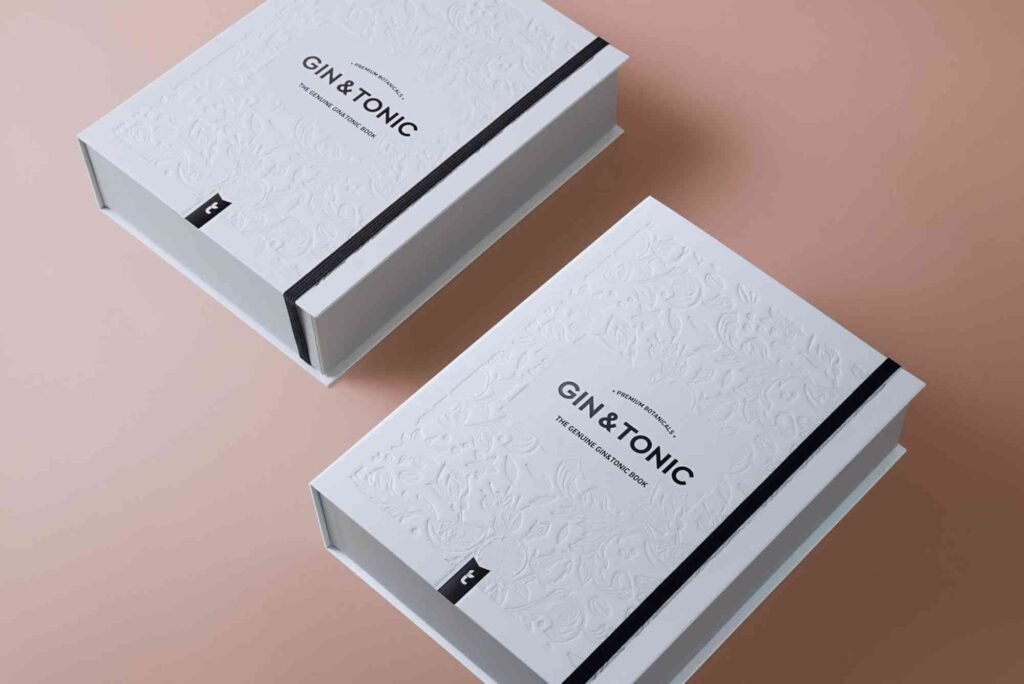
For premium publications, packaging can become part of the product itself. A beautifully produced collector’s edition, for example, may use a rigid box with specialised finishes.
Why Book Packaging Design Matters
Packaging is often the first physical interaction a customer has with a book after ordering online. Consequently, it can influence the perceived value of the purchase.
A damaged book can create disappointment, even when the printing quality is excellent. Strong packaging reduces this risk by providing protection against handling, moisture and impact.
Meanwhile, attractive packaging can encourage customers to share their purchases online. This creates additional visibility for publishers and independent authors.
Protection During Shipping
Books can experience pressure, friction and impact throughout the delivery process. Corners are particularly vulnerable to damage.
A properly engineered package provides enough support around the book. It should also prevent unnecessary movement inside the container.
For heavier books, stronger board and reinforced structures may be necessary. Lightweight publications can often use simpler protective formats.
Stronger Brand Recognition
Packaging provides another opportunity to communicate a brand identity. Consistent typography, colours and visual elements can create recognition.
For publishers with multiple titles, packaging can establish a cohesive appearance across different collections.
This approach can be particularly effective for luxury books, children’s publishing and specialist educational publications.
Better Customer Experience
Opening a thoughtfully designed package can make a purchase feel more personal. This is especially valuable for signed editions and independent publishing brands.
Small details can make a difference. A branded sleeve, carefully positioned insert or quality tissue wrap can enhance the experience without excessive complexity.
Key Elements of Effective Book Packaging Design
Successful book packaging design starts with understanding the book and its audience. A package for a children’s picture book will require a different approach from a luxury art publication.
The following elements should be considered during development.
Structural Design
The structure determines how effectively the package protects its contents. Designers should consider the book’s dimensions, weight and binding.
The package should hold the book securely without creating unnecessary pressure. It should also be practical for storage and transportation.
Before production, prototypes can help identify structural weaknesses. Testing is particularly important for books travelling through courier networks.
Materials
Material selection affects protection, appearance, sustainability and production costs.
Common choices include corrugated board, paperboard, rigid board and recyclable paper-based materials. The appropriate option depends on the intended application.
Premium products may benefit from rigid construction. Standard distribution may favour lightweight corrugated packaging.
Graphics and Branding
Visual design should support the identity of the book or publisher. Colours should feel intentional rather than decorative.
Typography also needs to remain clear at the size where it will appear. Overcrowded graphics can reduce the package’s professional appearance.
The design should complement the book rather than compete with it.
Printing and Finishing
Finishing techniques can add visual and tactile interest. Depending on the project, designers may consider embossing, debossing, foil details or spot finishes.
However, finishing should have a purpose. Excessive effects can increase production costs without improving the customer experience.
For premium editions, restrained finishing can communicate quality more effectively.
How to Choose the Right Packaging Format
The ideal packaging format depends on several practical factors. Book dimensions, quantity, shipping distance and budget should all be evaluated.
A standard book shipped directly to consumers may need a compact protective mailer. A collector’s edition could require a presentation box.
Packaging should also account for how customers will open it. Difficult or frustrating opening mechanisms can undermine an otherwise excellent design.
For brands exploring tailored solutions, custom packaging can provide greater control over structure, presentation and protection.
Book Packaging Design and Sustainability
Environmental considerations have become increasingly important in packaging decisions. Publishers are under growing pressure to reduce unnecessary materials.
Paper-based packaging can offer a practical alternative to excessive plastic. Recyclable board and responsibly sourced materials can also support sustainability objectives.
However, sustainability should not compromise protection. A damaged replacement book may create more waste than a slightly stronger package.
The best solution uses materials efficiently. Designers should remove unnecessary layers while maintaining adequate protection.
Book Packaging Design for E-Commerce
Online book sales have changed packaging requirements. Products may pass through several distribution points before reaching customers.
Therefore, e-commerce packaging needs to withstand more handling than packaging used for direct retail display.
Compact dimensions can also reduce shipping costs. A well-engineered package can protect the book without adding unnecessary volume.
Brand presentation remains important, too. Customers may photograph their purchases after delivery, making packaging part of the online brand experience.
How Packaging Influences Perceived Value
Customers often associate presentation with product quality. This psychological connection makes packaging particularly valuable for premium publications.
A carefully designed package can make a book feel more exclusive. This effect is especially useful for limited editions, gift books and collector’s items.
The relationship between package and product should remain consistent. High-quality packaging cannot compensate for poor printing or weak binding.
Instead, packaging should reinforce an already strong product.
Cost Considerations for Book Packaging
Packaging budgets vary significantly according to materials, construction and order volume.
The following table illustrates common considerations when selecting a packaging approach:
| Packaging Type | Protection Level | Presentation | Typical Use |
|---|---|---|---|
| Paper Mailer | Basic | Simple | Lightweight books |
| Corrugated Mailer | High | Professional | E-commerce shipping |
| Folding Carton | Medium to High | Branded | Retail and promotional books |
| Rigid Box | Very High | Premium | Collector’s editions |
| Sleeve Packaging | Medium | Elegant | Special editions and gift books |
These categories are general guidelines rather than fixed pricing standards. Production costs depend on dimensions, quantities, materials and finishing requirements.
Large production runs can reduce unit costs. However, complex structures may require higher initial tooling expenses.
A practical design should therefore consider both initial investment and long-term production costs.
Common Mistakes in Book Packaging Design
Even attractive packaging can fail when practical requirements are overlooked.
One common mistake is focusing entirely on appearance. A beautiful package offers little value if it cannot protect the book during transportation.
Another problem is excessive material use. Unnecessary layers can increase costs and create avoidable waste.
Poor sizing is another frequent issue. Packaging that is too loose allows movement, while an overly tight package can damage corners and covers.
Designers should also consider production capabilities early. A concept that looks excellent on screen may become difficult or expensive to manufacture.
How to Create Better Book Packaging Design
A successful project usually begins with clear objectives. Decide whether protection, luxury presentation, sustainability or branding is the primary goal.
Next, analyse the book’s physical characteristics. Measure its dimensions and weight, then consider how it will be transported.
Develop structural concepts before finalising graphics. This prevents visual elements from being created around an unsuitable package.
Prototypes should then be tested under realistic conditions. Check opening, closing, durability and book movement.
Finally, review the finished package from the customer’s perspective. Ask whether it feels intuitive, attractive and appropriate for the product.
For additional ideas about materials and production, designers can explore relevant print & finishing insights during the planning process.
The Role of Custom Packaging
Standard packaging can be practical, but it may not provide enough flexibility for distinctive publishing projects.
Custom Packaging allows designers to create structures around specific book dimensions and branding requirements.
This can be particularly useful for premium releases. Custom inserts can hold multiple books, promotional materials or accessories securely.
It can also improve the unboxing experience. A package that opens naturally and reveals the book carefully can create a stronger emotional response.
However, customisation should remain purposeful. Every additional structural feature should justify its cost and production complexity.
Book Packaging Design for Premium Editions
Premium editions often require packaging that communicates exclusivity. Materials, texture and finishing become especially important.
A rigid presentation box can provide excellent protection while creating a luxury appearance. Embossed logos and subtle foil details can add refinement.
The package may also include a certificate, bookmark or author information. These elements can make the edition feel more collectible.
The overall design should remain cohesive. Every element should support the book’s theme and intended audience.
Book Packaging Design and the Unboxing Experience
The unboxing experience has become an important consideration for modern brands. Customers increasingly share purchases through photographs and videos.
A well-planned package can create several visual moments during opening. This might include a branded exterior, an organised interior and a carefully presented book.
The experience does not need to be elaborate. Simplicity can often feel more sophisticated when every detail has been considered.
Good packaging makes opening the product feel effortless. It also creates anticipation without creating unnecessary waste.
Final Thoughts on Book Packaging Design
Effective book packaging design combines protection, visual communication and practical production. The strongest solutions are designed around the book rather than added as an afterthought.
Publishers and authors should consider materials, structure, branding, sustainability and shipping conditions from the beginning.
A successful package protects the book while strengthening its perceived value. It can also create a memorable experience that customers associate with the publisher or author.
Whether you need practical shipping protection or premium presentation, thoughtful design can make a significant difference. Explore your packaging requirements carefully, test prototypes and choose materials that support both quality and efficiency.
Frequently Asked Questions About Book Packaging Design
What is the best packaging for sending books?
A sturdy corrugated mailer is often suitable for shipping individual books. It provides protection while keeping the package relatively compact.
For valuable or collectible books, stronger presentation packaging may be more appropriate.
How do you package a book for shipping?
The book should fit securely inside protective packaging. Any excessive internal movement should be minimised.
For additional protection, cushioning can be used around vulnerable areas. The outer package should then be securely sealed.
What material is best for book packaging?
Corrugated board is widely useful because it combines strength with relatively low weight. Paperboard can also work well for retail presentation.
The best material depends on the book’s weight, value, shipping conditions and desired appearance.
How can I make book packaging more sustainable?
Start by reducing unnecessary material. Select recyclable paper-based structures where appropriate.
You should also consider package size. Smaller, efficient packaging can reduce material consumption and transportation volume.
Is custom packaging worth the cost?
Custom packaging can be worthwhile when branding, protection or presentation is important. It can create a better fit and stronger customer experience.
For high-volume standard products, however, an existing packaging format may provide better cost efficiency.
How can packaging increase a book’s perceived value?
Premium materials, careful construction and refined finishing can make a book feel more exclusive.
The effect is strongest when the packaging complements the book’s quality and visual identity.
What should I consider before designing book packaging?
Consider the book’s dimensions, weight, audience, shipping method, budget and brand identity.
You should also determine whether the primary goal is protection, presentation, sustainability or a combination of these factors.
Conclusion
Great book packaging design does more than surround a book. Buddy Packaging Location It protects the product, communicates its identity and shapes the customer’s first physical impression.
By combining thoughtful structure, suitable materials and purposeful graphics, publishers can create packaging that feels professional and memorable.
If you are preparing a new book, special edition or e-commerce launch, now is the right time to review your packaging strategy. Choose a design that protects your book, reflects your brand and gives readers a reason to remember the experience.
Related Reading: 2d packaging design