Creative Packaging Design Food: A Complete Guide to Better Food Branding
Food packaging is no longer simply a protective layer around a product. Today, it is an important part of branding, customer experience, and purchasing decisions. A well-designed package can make a food product look more appealing before the customer even tastes it.
Creative packaging design food combines visual appeal, practicality, brand identity, and product protection. From bakery boxes and takeaway containers to snack wrappers and premium food cartons, thoughtful packaging can help a product stand apart in a crowded market.
For food businesses, packaging creates one of the first physical interactions between a customer and a brand. Therefore, the right colours, typography, materials, images, and structure can influence how customers perceive quality.
Whether you operate a small bakery, restaurant, food manufacturer, or growing food brand, effective packaging deserves careful attention. The following guide explains how creative packaging design food can strengthen your brand and create a better customer experience.
Why Creative Packaging Design Food Matters
Food products compete for attention in supermarkets, online shops, restaurants, cafés, and delivery platforms. Attractive packaging can help customers notice your product among similar choices.
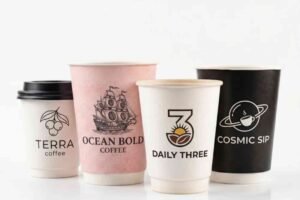
Creative packaging design food gives brands an opportunity to communicate their personality quickly. A premium product may use elegant typography and sophisticated materials. A family snack may use playful colours and friendly illustrations.
Packaging also creates expectations. Customers often associate professional presentation with product quality. Consequently, an attractive package can make a product appear more trustworthy and memorable.
Good packaging also supports recognition. When customers repeatedly see the same colours, logo, shapes, and visual style, they can identify the brand more easily.
How Packaging Influences Food Buying Decisions
Customers often make quick decisions when choosing food products. Packaging can influence those decisions through appearance, information, convenience, and perceived value.
A clear package can communicate what the product is and why it deserves attention. Strong visual hierarchy helps customers find important information without confusion.
For example, the product name should usually be easy to identify. Supporting information can then explain the flavour, ingredients, benefits, or serving suggestions.
Creative packaging design food should therefore balance creativity with clarity. A beautiful package that hides essential information may create frustration instead of interest.
Building a Strong Food Packaging Identity
Use Consistent Brand Elements
A recognisable food brand needs consistency. Your logo, colours, fonts, illustrations, and overall visual style should work together.
Consistency does not mean every package must look identical. Instead, each product should feel like part of the same brand family.
This approach becomes particularly useful when a business sells multiple flavours or product varieties. Customers can recognise the brand while still distinguishing individual products.
Choose Colours Carefully
Colour has a powerful visual impact. Different colour combinations can create different impressions.
Earthy colours may suggest natural or organic products. Bright colours can create an energetic and youthful appearance. Black, white, and metallic shades may communicate a premium positioning.
However, colour choices should also consider readability. Text should remain easy to see against the packaging background.
Select Appropriate Typography
Typography should reflect the personality of the food brand. Elegant fonts can work well for premium products, while bold and friendly fonts may suit casual snacks.
Avoid using too many typefaces. A simple combination of complementary fonts usually creates a more professional result.
The packaging should also remain readable from a reasonable distance. This is particularly important for products displayed on shelves.
Packaging Materials and Customer Experience
Material selection affects appearance, durability, cost, and sustainability. Therefore, it should be considered during the earliest design stages.
Cardboard is popular because it can support attractive printing and structural designs. Kraft materials can create a natural appearance, while rigid boxes can provide a more premium experience.
Food packaging must also protect the product. Moisture, heat, grease, impact, and contamination can affect food quality. The design should therefore work alongside appropriate packaging specifications.
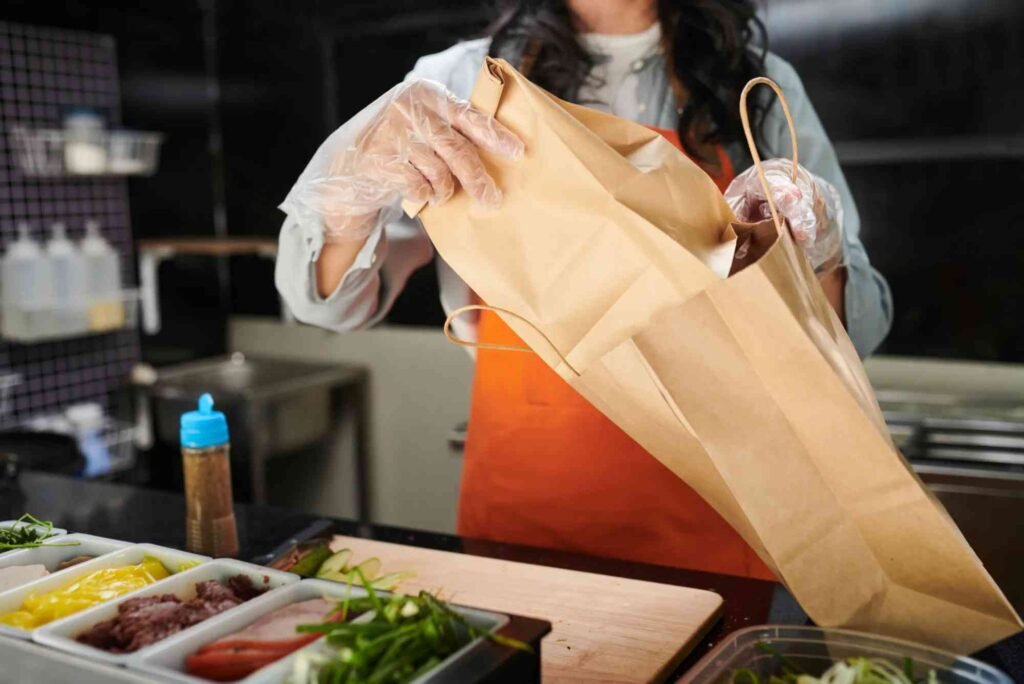
For takeaway products, convenience is equally important. Customers should be able to open, carry, store, and dispose of packaging without unnecessary difficulty.
A successful packaging concept considers both what customers see and what they experience.
Sustainable Creative Packaging Design Food
Sustainability has become increasingly important to consumers and food businesses. Customers are more aware of packaging waste and the environmental impact of disposable materials.
Creative packaging design food can incorporate sustainability without sacrificing visual appeal. Recyclable cardboard, reduced material usage, reusable containers, and responsibly sourced materials can all support a stronger environmental message.
However, sustainability claims should be accurate. Businesses should avoid making vague environmental statements that cannot be supported.
Good sustainable design often begins with simplicity. Reducing unnecessary layers, excessive printing, and oversized packaging can improve efficiency while reducing waste.
The Role of Custom Packaging
Custom packaging gives food businesses more control over their presentation. Instead of relying on generic containers, brands can create packaging that reflects their exact identity.
Custom Packaging can be especially valuable for bakeries, cafés, restaurants, confectionery businesses, meal-preparation companies, and speciality food brands.
A customised structure can also improve functionality. A bakery might require inserts that prevent cupcakes from moving. A takeaway restaurant may need containers that reduce spills.
The best packaging combines appearance with a practical purpose. This is why design decisions should begin with the product itself.
Understanding Your Packaging Design Location
The physical environment where packaging is displayed can influence the design. A product sold in a supermarket faces different challenges from one delivered directly to customers.
A packaging design location should be considered when determining size, colours, visibility, and information hierarchy.
For example, products displayed on crowded shelves need strong visual recognition. Delivery packaging, meanwhile, can focus more heavily on unboxing, protection, and brand experience.
Considering the Buddy Packaging Location can help designers understand how the package will interact with customers and surrounding products.
Practical Packaging Design Tips
Make the Product Easy to Understand
Customers should quickly understand what they are buying. Avoid unnecessary visual complexity that hides the main product message.
Create Strong Visual Hierarchy
Important information should receive appropriate visual emphasis. The product name, brand, flavour, and key information should be organised logically.
Consider the Unboxing Experience
Packaging can become part of the customer experience. Opening a thoughtfully designed box can create a stronger emotional connection with the brand.
Design for Photography
Customers frequently photograph attractive food products for social media. Packaging that looks good in photographs can generate additional organic exposure.
Test Before Producing at Scale
A digital design may look different when printed. Always review physical samples where possible.
Check colours, typography, dimensions, opening mechanisms, durability, and overall appearance before committing to large production quantities.
How Creative Packaging Supports Brand Loyalty
Strong packaging can encourage customers to remember a product. When design is distinctive and consistent, it becomes easier for customers to recognise the brand during future purchases.
Packaging can also communicate personality. A playful design may make a brand feel approachable. A minimalist package may communicate sophistication.
Over time, these impressions contribute to brand identity. Customers may begin associating specific colours, shapes, or visual elements with the company.
However, packaging should support the actual product experience. Attractive design cannot compensate for poor food quality or unreliable service.
Balancing Creativity and Practicality
Creativity is important, but food packaging must remain functional. A package that looks impressive but breaks easily can damage customer satisfaction.
Designers should consider transportation, storage, stacking, opening, sealing, printing, and disposal.
Cost is another important consideration. Premium materials and complex structures can increase production expenses. The ideal solution provides a strong customer experience while remaining commercially practical.
This balance is particularly important for small businesses. Packaging should support profitability rather than create unnecessary financial pressure.
Measuring the Success of Food Packaging
Packaging performance can be evaluated through several practical indicators. Businesses can monitor customer feedback, repeat purchases, social media engagement, product visibility, and sales performance.
Customer comments can reveal whether packaging feels convenient, attractive, durable, or confusing.
A packaging redesign can also be tested against previous packaging. Comparing sales and customer responses may provide useful evidence about whether the new design is working.
Packaging should therefore be treated as a business investment rather than simply a decorative expense.
Correct Packaging Design Considerations
| Design Factor | Purpose | Key Consideration |
|---|---|---|
| Brand identity | Builds recognition | Use consistent visual elements |
| Colour | Attracts attention | Prioritise visibility and readability |
| Typography | Communicates information | Keep text clear and organised |
| Materials | Protects the product | Match materials to food requirements |
| Structure | Improves usability | Consider opening, carrying, and storage |
| Sustainability | Reduces environmental impact | Choose practical responsible materials |
| Product information | Supports customer decisions | Present essential details clearly |
| Visual appeal | Creates first impressions | Make the design distinctive |
| Cost | Protects profitability | Balance quality with production budget |
| Testing | Reduces production risks | Review physical samples before launch |
Future Trends in Creative Packaging Design Food
Food packaging continues to evolve as customer expectations change. Minimalist designs, sustainable materials, tactile finishes, personalised packaging, and interactive experiences are becoming increasingly relevant.
Digital printing can also make smaller packaging runs more practical. This can help emerging brands experiment with seasonal designs or limited-edition products.
Technology may also play a larger role. QR codes can connect customers with recipes, product stories, sourcing information, loyalty programmes, or additional brand content.
Despite these developments, the fundamental principle remains unchanged. Packaging should make the product easier to recognise, understand, use, and remember.
Frequently Asked Questions
What is creative packaging design for food?
Creative packaging design for food is the process of developing attractive and functional packaging specifically for food products. It combines branding, materials, structure, information, and visual design.
Why is packaging design important for food products?
Packaging protects food while influencing customer perception. Effective packaging can improve recognition, communicate quality, create convenience, and help products stand out from competitors.
What makes good food packaging design?
Good food packaging is attractive, clear, functional, durable, and appropriate for the product. It should also reflect the brand and provide essential information without creating visual confusion.
How can packaging attract customers?
Packaging can attract customers through distinctive colours, strong typography, appealing imagery, unique structures, and clear product messaging. The design should communicate value quickly.
What packaging is best for food products?
The best packaging depends on the type of food, storage requirements, transportation conditions, budget, branding, and sustainability objectives. There is no single material suitable for every product.
How can I make my food packaging more sustainable?
Businesses can consider recyclable or responsibly sourced materials, reduced packaging layers, efficient sizing, reusable options, and designs that minimise unnecessary waste.
How much does custom food packaging cost?
The cost depends on material, dimensions, printing method, quantity, structural complexity, finishing, and supplier requirements. Larger production quantities can sometimes reduce the unit cost.
What are the most important packaging design tips?
The most important packaging design tips include maintaining brand consistency, ensuring readability, protecting the food, making packaging convenient, testing physical samples, and balancing creativity with production costs.
Conclusion
Creative packaging design food can transform the way customers discover, understand, and remember a food brand. Effective packaging combines visual creativity with practical functionality, product protection, clear communication, and strong brand identity.
The most successful designs do more than look attractive. They make products easier to recognise, easier to use, and more memorable. They also create opportunities for brands to communicate their values through materials, colours, structure, and storytelling.
If you are developing a new food product or refreshing an existing brand, start by understanding your customers and product requirements. Then create packaging that reflects your identity while solving real customer needs.
Investing in thoughtful packaging can give your food brand a stronger presence and a more professional customer experience. Start reviewing your current packaging today and identify where better design, functionality, or branding could create a meaningful difference.