Introduction
The popularity of 3D printing has transformed the way people create storage and packaging solutions. Today, a well-planned 3d printed box design offers much more than a simple container. It combines functionality, creativity, and precision to produce boxes tailored to specific needs.
Whether you need a storage box for household items, electronic components, gifts, or business products, modern 3D printing provides endless opportunities. Designers can customise dimensions, shapes, locking systems, and decorative details with remarkable accuracy.
A successful 3d printed box design balances appearance with practicality. It should protect the contents, remain durable over time, and look visually appealing. With the right design approach, even a simple box can become an impressive product that reflects creativity and innovation.
As the technology continues to advance, more individuals and businesses are turning to 3D printing for personalised storage solutions and Custom Packaging that perfectly suits their requirements.
Why 3D Printed Boxes Are Becoming Popular
The rise of 3D printing has changed manufacturing in many ways. Traditional box production often requires moulds and expensive tooling. In contrast, a 3d printed box design can be produced directly from a digital file.
This flexibility allows designers to experiment with different styles without significant costs. Small changes can be made quickly, making prototypes faster and more affordable.
Another reason for the growing popularity is personalisation. Users can create boxes with unique textures, engraved names, or specialised compartments. This level of customisation is difficult to achieve with conventional manufacturing methods.
Moreover, sustainability has become increasingly important. Many people choose biodegradable materials or recycled filaments, making 3D printed boxes a more environmentally friendly option.
Essential Features of a Good 3D Printed Box Design
A well-crafted 3d printed box design should focus on both aesthetics and usability. Strong structural integrity is essential because the box must withstand regular use without cracking or warping.
Wall thickness plays an important role in durability. Thin walls may reduce material costs, but they can compromise strength. On the other hand, excessively thick walls increase print time and material consumption.
The lid design is equally important. Some boxes use hinged lids, while others feature sliding mechanisms or magnetic closures. Each style offers different advantages depending on the intended purpose.
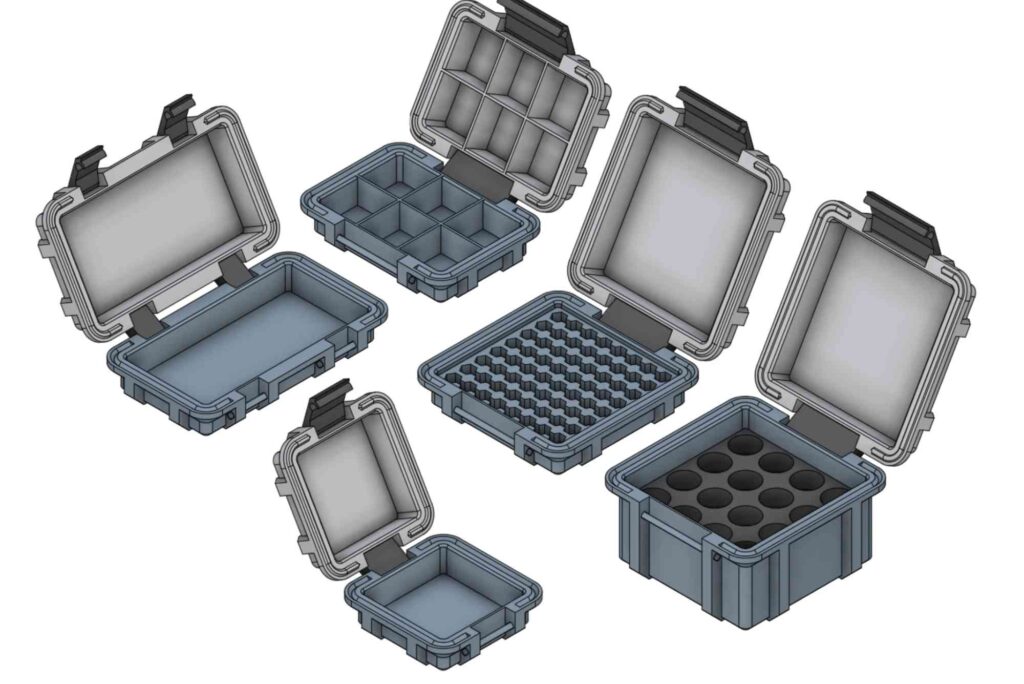
Internal organisation should also be considered. Compartments, separators, and removable trays help maximise storage efficiency. These elements improve usability and enhance the overall user experience.
The external appearance matters as well. Smooth curves, geometric patterns, and textured surfaces can transform an ordinary container into an attractive product.
Common Materials Used in 3D Printed Boxes
Material selection significantly affects the performance of a 3d printed box design. Different filaments offer varying levels of strength, flexibility, and finish quality.
PLA is one of the most popular materials. It is easy to print and provides excellent surface quality. It is ideal for decorative boxes and light-duty storage solutions.
PETG offers greater durability and moisture resistance. It is suitable for boxes used in kitchens, workshops, or outdoor environments.
ABS remains a preferred choice for industrial applications. It has excellent impact resistance and performs well under higher temperatures.
Some designers choose TPU for flexible components. This material works particularly well for protective inserts or soft lids.
The right material depends on the intended use, printing conditions, and desired appearance.
Designing for Functionality and Style
Functionality should always guide the design process. Before creating a 3d printed box design, consider how the box will be used and what items it will hold.
For small electronic components, internal compartments are essential. For jewellery or gifts, aesthetics may take priority. Storage boxes for workshops often require reinforced corners and secure locking mechanisms.
The design should also account for printing limitations. Sharp overhangs and extremely thin features can cause printing issues. Smooth transitions and balanced geometry improve print success rates.
Modern software tools make it easier than ever to experiment with shapes and layouts. Designers can visualise every detail before printing begins.
Many professionals also rely on practical box design tips to ensure the final product is both attractive and easy to manufacture.
Innovative Ideas for 3D Printed Box Design
Creativity plays a huge role in modern 3d printed box design. Designers are exploring innovative concepts that combine utility with artistic expression.
Puzzle boxes have become increasingly popular. These designs incorporate hidden compartments and clever locking systems that challenge users to discover how they open.
Stackable boxes offer another creative solution. They maximise storage space and create an organised appearance in homes and offices.
Transparent sections are also gaining attention. By combining different materials or integrating acrylic panels, designers can showcase the contents while maintaining protection.
Decorative boxes inspired by nature are another growing trend. Organic shapes, leaf textures, and flowing curves create visually striking pieces that double as decorative objects.
These innovations demonstrate how 3D printing allows designers to move beyond traditional box designs and explore entirely new possibilities.
Printing Settings That Improve Results
Even the best 3d printed box design requires proper printing settings to achieve excellent results.
Layer height affects surface quality. Smaller layers create smoother finishes but increase print times. Larger layers print faster but may show visible layer lines.
Infill density determines internal strength. Boxes intended for heavy objects benefit from higher infill percentages, while decorative boxes can use lighter structures.
Print speed also matters. Slower speeds generally produce more accurate details and stronger layer adhesion.
Temperature settings should match the selected material. Incorrect temperatures may cause warping, weak layers, or poor surface quality.
Cooling fans help maintain dimensional accuracy, especially for smaller features and detailed patterns.
By adjusting these settings carefully, users can significantly improve the quality and durability of their printed boxes.
Applications Across Different Industries
The versatility of 3d printed box design has led to widespread adoption across many industries.
In healthcare, custom boxes store medical instruments and delicate equipment safely. Their precise dimensions ensure secure placement and easy access.
The electronics industry uses 3D printed enclosures for circuit boards, sensors, and prototypes. These boxes protect sensitive components while allowing modifications during development.
Retail businesses increasingly adopt customised packaging solutions to enhance product presentation. Personalised boxes create memorable customer experiences and strengthen brand identity.
Educational institutions also use 3D printed boxes for laboratory equipment, teaching aids, and project storage.
Creative entrepreneurs continue exploring new opportunities, combining technology with design to produce unique packaging products and innovative storage systems
Some businesses even showcase their manufacturing capabilities through dedicated spaces such as Buddy Packaging Location , where customers can explore packaging ideas and custom solutions.
Future Trends in 3D Printed Box Design
The future of 3d printed box design looks incredibly promising. Advances in materials and printing technologies continue to expand design possibilities.
Smart boxes equipped with sensors may soon become common. These boxes could monitor temperature, humidity, or movement to protect sensitive items.
Multi-material printing is another exciting development. Designers can combine rigid and flexible materials within a single print, creating more sophisticated and functional products.
Artificial intelligence is also beginning to influence design processes. AI-powered software can optimise shapes for strength, reduce material usage, and improve printing efficiency.
Sustainable materials will likely play an even greater role. Eco-friendly filaments and recyclable materials align with growing environmental awareness.
As these innovations mature, the possibilities for 3d printed box design will continue to expand, offering even more creative and practical solutions.
buddypackaging.co.uk offers innovative and eco-friendly packaging solutions for businesses of all sizes. From custom boxes to sustainable materials, they help brands stand out while caring for the environment. Their expert team ensures high-quality, reliable, and stylish packaging that meets every need.
FAQ
What is a 3D printed box design?
A 3d printed box design is a digitally created box model produced using 3D printing technology. It can be customised in size, shape, material, and features to meet specific storage or packaging needs.
Which material is best for a 3D printed box?
PLA is excellent for decorative boxes, while PETG provides greater durability and moisture resistance. ABS is suitable for industrial applications that require higher strength and heat resistance.
How thick should the walls of a 3D printed box be?
Most boxes perform well with wall thickness between 1.5 mm and 3 mm. However, heavier applications may require thicker walls for added durability.
Can 3D printed boxes be waterproof?
Yes, they can be water resistant when printed with suitable materials such as PETG and with optimised print settings. Additional sealing may improve waterproof performance.
Are 3D printed boxes strong enough for everyday use?
Yes. A properly designed 3d printed box design using suitable materials and print settings can withstand regular daily use and provide long-lasting performance.
Conclusion
The world of 3d printed box design continues to evolve rapidly. Designers now have the freedom to create boxes that combine beauty, durability, and functionality in ways that traditional manufacturing cannot easily achieve.
From decorative storage solutions to industrial enclosures, the possibilities are nearly endless. Careful material selection, thoughtful design, and proper printing settings all contribute to outstanding results.
As technology advances, customised boxes will become even more sophisticated and accessible. Now is the perfect time to explore the exciting opportunities offered by 3d printed box design and create innovative solutions tailored to your unique needs.
Related Reading: Rectangular Box Design
Related Reading: Perfume Box Design Ideas
Related Reading: Rectangular Box Design — full guide