Banner Printing Design
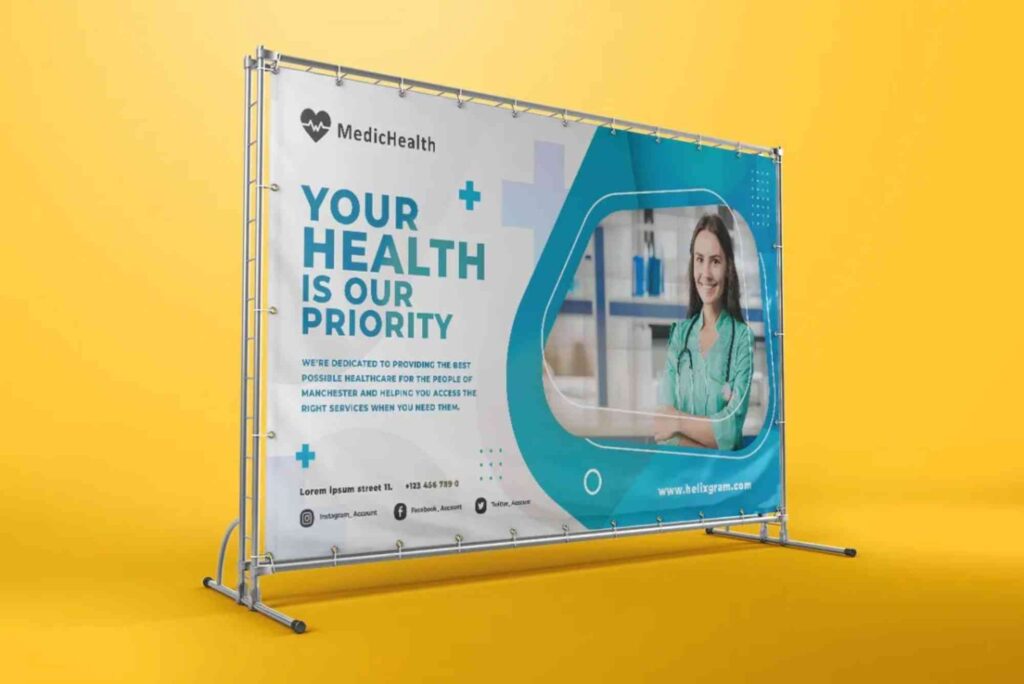
Banner printing design remains one of the most effective ways to promote a business, event, or special offer. Despite the growth of digital advertising, physical banners continue to attract attention because they are visible, affordable, and versatile. A well-crafted banner instantly communicates a message and encourages people to take action.
The success of a banner depends on more than just printing quality. The design itself plays a major role in capturing attention and leaving a lasting impression. Colours, fonts, images, spacing, and messaging must work together to create a professional appearance. Businesses that invest in high-quality banner printing design often enjoy better brand recognition and stronger customer engagement.
Whether you need banners for exhibitions, retail stores, outdoor advertising, or corporate events, understanding the principles of banner design helps you achieve the best results. This guide explains everything you need to know about creating banners that look professional and perform effectively.
Why Banner Printing Design Matters
Banner printing design is much more than arranging text and images on a large canvas. It is a marketing tool that communicates your brand identity and encourages viewers to act.
An attractive banner creates a positive first impression. Customers often decide within seconds whether they want to engage with a business. Therefore, a clear design with a strong visual hierarchy increases the likelihood of capturing attention.
Good banner design also improves brand consistency. When colours, typography, and imagery align with other marketing materials, customers recognise the brand more easily. This consistency builds trust and strengthens your professional image.
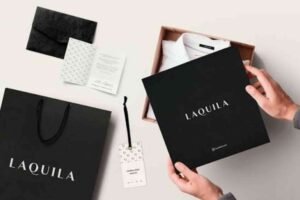
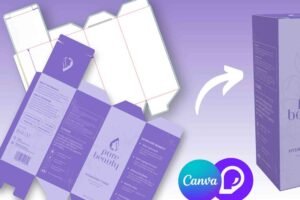
Businesses that invest in visual branding often extend the same creative standards to their packaging. Many companies combine banner campaigns with Custom Packaging to create a seamless customer experience that reinforces brand identity across every touchpoint.
Essential Elements of Effective Banner Printing Design
Successful banner printing design follows several principles that improve readability and visual appeal.
Clear and Concise Messaging
The message should be simple and easy to understand. Most people view banners while walking or driving past them. Because of this, lengthy text rarely works.
A short headline paired with a strong call to action often produces better results. Focus on the most important information and avoid unnecessary details.
High-Quality Images
Images immediately draw attention and help tell a story. However, low-resolution graphics can damage your brand image.
Professional photographs and vector graphics maintain sharpness even on large banners. This ensures the final product appears polished and visually appealing.
Readable Typography
Fonts influence how people perceive your message. Bold and clean typefaces work best because they remain legible from a distance.
Avoid using several font styles on one banner. Instead, maintain consistency and create contrast through size and weight variations.
Strategic Colour Selection
Colours evoke emotions and influence purchasing decisions. Bright colours attract attention, while softer shades create a sophisticated appearance.
The best banner printing design uses colours that complement the brand while maintaining strong contrast between text and background.
Popular Banner Printing Design Styles
Design trends evolve over time, but certain styles remain consistently effective.
Minimalist banners are popular because they focus on simplicity. Large typography, clean layouts, and ample white space help viewers understand the message instantly.
Modern corporate banners often feature geometric patterns and subtle gradients. These elements create a contemporary appearance while maintaining professionalism.
Illustrated banners are increasingly used by creative businesses. Custom illustrations add personality and help brands stand out in competitive markets.
Many designers also explore emerging trends through galleries and online resources. Looking at packaging design inspiration can spark creative ideas because both packaging and banner design rely on visual storytelling and brand consistency.
Choosing the Right Banner Size
The size of a banner significantly affects its impact. A design that looks attractive on a small banner may not work on a larger format.
Indoor banners generally use smaller dimensions because viewers stand closer to them. Trade show displays often prioritise detailed graphics and supporting information.
Outdoor banners require larger text and stronger contrast. Since people see them from greater distances, the message should remain visible and easy to read.
Before finalising your banner printing design, consider where the banner will be displayed. Viewing distance, lighting conditions, and surrounding elements all influence design choices.
Banner Materials and Their Influence on Design
Material selection affects both durability and appearance.
Vinyl remains one of the most popular materials because it is weather resistant and suitable for outdoor use. Its smooth surface produces vibrant colours and sharp graphics.
Fabric banners provide a softer and more elegant appearance. They are often used at conferences, exhibitions, and corporate events.
Mesh banners are ideal for windy environments. Their perforated surface allows air to pass through while maintaining visibility.
The material you choose should complement the overall banner printing design. A luxury brand, for example, may prefer fabric banners, whereas retail promotions often benefit from durable vinyl options.
How to Create a Banner That Converts
Creating an attractive banner is important, but generating results is the ultimate goal.
A strong headline should immediately communicate value. Readers need to understand what is being offered within seconds.
Visual hierarchy guides viewers through the design. The eye should naturally move from the headline to supporting information and finally to the call to action.
Whitespace also plays an essential role. Crowded designs overwhelm viewers and reduce readability. Balanced spacing creates a cleaner and more professional appearance.
Effective banner printing design focuses on user experience. Every design element should support the main objective, whether it is increasing sales, attracting visitors, or improving brand awareness.
Common Banner Design Mistakes
Even experienced designers occasionally make mistakes that reduce banner effectiveness.
One common error is using too much text. A banner is not a brochure. Large paragraphs make the design difficult to read quickly.
Poor image quality is another issue. Pixelated graphics appear unprofessional and may negatively affect brand perception.
Insufficient contrast between text and background also creates readability problems. Light text on a light background often becomes difficult to see, especially outdoors.
Ignoring viewing distance is equally problematic. Text that appears large on a computer screen may be too small when printed and viewed from afar.
Avoiding these mistakes ensures your banner printing design communicates clearly and maintains a professional appearance.
The Role of Branding in Banner Printing Design
Branding should remain at the centre of every design decision.
A banner represents your company visually. Therefore, colours, logos, typography, and imagery should align with existing marketing materials.
Consistent branding improves recognition and builds customer trust. When people repeatedly encounter the same visual identity, they become more familiar with the brand.
Businesses often extend this consistency across multiple channels, including signage, social media, packaging, and printed materials. Visiting Buddy Packaging Location can help businesses explore branding solutions that maintain a cohesive visual identity across different products and marketing materials.
Future Trends in Banner Printing Design
Technology continues to influence the future of banner printing design.
Eco-friendly materials are becoming increasingly popular as businesses seek sustainable advertising solutions. Recyclable fabrics and environmentally responsible inks reduce environmental impact without compromising quality.
Interactive designs are also emerging. QR codes allow viewers to connect instantly with websites, promotions, or social media pages.
Personalisation is another growing trend. Brands increasingly create customised banners tailored to specific audiences, events, or locations.
Artificial intelligence is helping designers generate layouts and explore creative concepts faster. However, human creativity remains essential for producing memorable and emotionally engaging designs.
As design technology advances, businesses that embrace innovation will continue to create banners that attract attention and deliver measurable results.
buddypackaging.co.uk offers innovative and eco-friendly packaging solutions for businesses of all sizes. From custom boxes to sustainable materials, they help brands stand out while caring for the environment. Their expert team ensures high-quality, reliable, and stylish packaging that meets every need.
What is banner printing design?
Banner printing design is the process of creating visual layouts for printed banners. It includes selecting colours, typography, images, and messaging to communicate information effectively and attract attention.
What size should a banner be?
The ideal size depends on where the banner will be displayed. Indoor banners are usually smaller, while outdoor banners require larger dimensions for better visibility.
Which material is best for banner printing?
Vinyl is widely considered the best all-round material because it is durable, weather resistant, and produces vibrant print quality. Fabric banners are also popular for premium indoor displays.
How many words should a banner contain?
A banner should contain as few words as possible. Most effective banners use a short headline, supporting text, and a clear call to action.
How can I make my banner more attractive?
Use high-quality images, readable fonts, strong colour contrast, and a simple layout. A clear message combined with consistent branding also improves visual appeal.
Conclusion
Banner printing design remains one of the most powerful forms of visual marketing. A professionally designed banner attracts attention, communicates your message clearly, and strengthens brand recognition.
Successful banners combine compelling visuals with concise messaging and strategic design choices. Every element, from typography to material selection, influences how customers perceive your brand.
As trends evolve and technology advances, businesses that invest in thoughtful banner printing design will continue to stand out in competitive markets. If you want to maximise your marketing impact, now is the perfect time to create banners that reflect your brand and inspire action.
Related Reading: Stencil Printing Design
Related Reading: Home Printing Design
Related Reading: Card Printing Design
Related Reading: 3D Printing Design Books — full guide
Related Reading: T Shirt Photo Printing Design — full guide
Related Reading: Stencil Printing Design — full guide