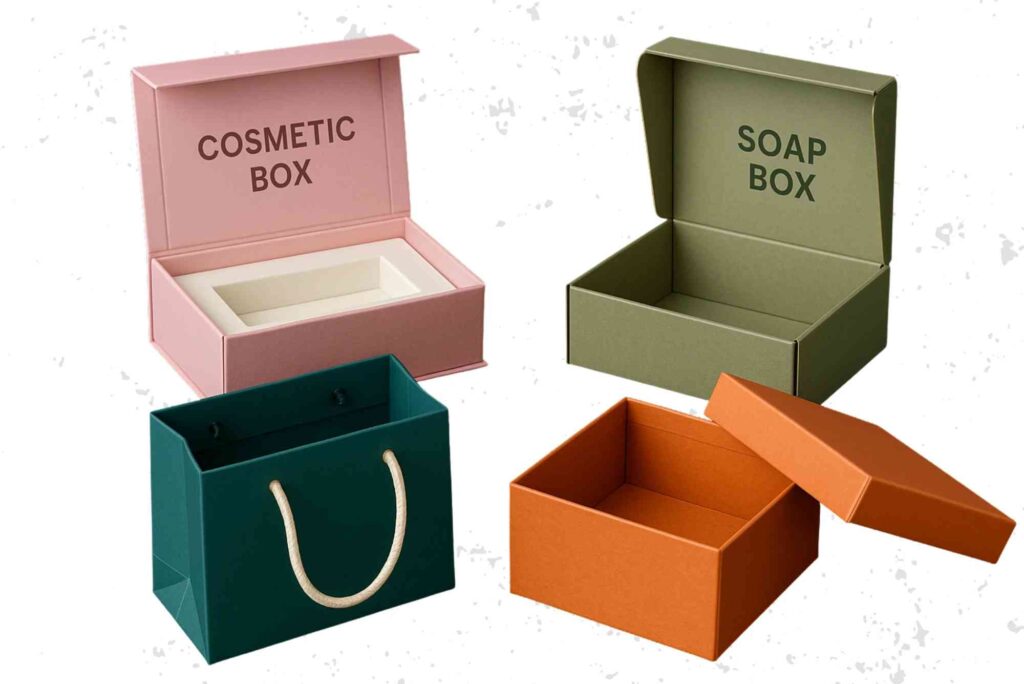
Introduction
Packaging is much more than a protective covering for products. In today’s competitive marketplace, packaging serves as a powerful marketing tool, a brand ambassador, and a key factor in customer purchasing decisions. Understanding the different types of packaging design can help businesses create memorable customer experiences while protecting products throughout the supply chain.
Whether you are launching a new product or refreshing an existing brand, selecting the right packaging design can significantly influence consumer perception, product safety, and overall sales performance. From minimalist designs to luxury packaging solutions, each approach serves a unique purpose and targets specific customer preferences.
This comprehensive guide explores the different types of packaging design, their benefits, and how businesses can choose the most suitable option for their products and target audience.
Understanding Packaging Design
Packaging design combines creativity, functionality, and marketing strategy. It involves creating the exterior appearance and structure of a product’s packaging while ensuring it fulfills practical requirements such as protection, transportation, and storage.
Effective packaging design communicates a brand’s identity, values, and product benefits. It creates a visual connection with consumers and often determines whether a product stands out on crowded retail shelves.
Businesses seeking premium Custom Packaging solutions can benefit from tailored packaging strategies that align with brand goals and customer expectations.
Why Packaging Design Matters
Packaging is often the first physical interaction a customer has with a product. A well-designed package creates positive first impressions, builds trust, and encourages repeat purchases.
Modern consumers evaluate products based on several packaging factors, including aesthetics, sustainability, convenience, and quality. Therefore, choosing the right packaging design can directly impact customer satisfaction and business growth.
Additionally, effective packaging can reduce shipping damage, improve shelf visibility, and strengthen brand recognition across multiple sales channels.
Different Types Of Packaging Design
Minimalist Packaging Design
Minimalist packaging design focuses on simplicity, clean layouts, and limited visual elements. This approach emphasizes the product itself rather than excessive graphics or decorative features.
Brands that use minimalist packaging often rely on neutral colours, elegant typography, and uncluttered designs. The goal is to communicate sophistication, transparency, and confidence.
This type of packaging design is particularly popular among skincare, technology, and premium lifestyle brands that want to convey quality through simplicity.
Luxury Packaging Design
Luxury packaging is designed to create an exclusive and premium customer experience. It typically incorporates high-quality materials, refined finishes, and intricate design details.
Luxury packaging may include embossed logos, foil stamping, magnetic closures, textured materials, and custom inserts. These elements enhance perceived product value and create memorable unboxing experiences.
High-end fashion, cosmetics, jewelry, and premium gift products frequently utilize luxury packaging to reinforce their brand positioning.
Eco-Friendly Packaging Design
Sustainability has become a major priority for both businesses and consumers. Eco-friendly packaging design focuses on reducing environmental impact through responsible material selection and production methods.
This type of packaging often uses recyclable, biodegradable, compostable, or reusable materials. Designers also aim to minimize waste by reducing unnecessary packaging components.
Eco-conscious packaging appeals to environmentally aware consumers and helps businesses demonstrate corporate responsibility while meeting evolving market expectations.
Retail Packaging Design
Retail packaging is specifically created to attract attention in physical stores. Since products compete directly on shelves, visual appeal becomes a critical factor.
Retail packaging incorporates bold graphics, vibrant colours, and strategic branding elements that capture customer interest within seconds. Product information is displayed clearly to support informed purchasing decisions.
Successful retail packaging balances aesthetics with functionality while maintaining consistency with overall brand identity.
Product Packaging Design
Product packaging design focuses on presenting and protecting a specific item. The design process considers factors such as product dimensions, fragility, usage requirements, and target audience preferences.
Product packaging often includes custom structures that enhance usability and ensure safe transportation. The design must effectively communicate product features, instructions, and benefits while maintaining visual appeal.
Different industries require unique product packaging solutions tailored to their specific products and customer needs.
Flexible Packaging Design
Flexible packaging uses adaptable materials such as pouches, films, wraps, and bags. This packaging type is commonly used for food products, beverages, personal care items, and household goods.
Flexible packaging offers advantages including lightweight construction, lower shipping costs, and efficient storage. Designers can create attractive graphics while maintaining product freshness and convenience.
Its versatility makes flexible packaging one of the fastest-growing packaging formats worldwide.
Rigid Packaging Design
Rigid packaging utilizes sturdy materials such as cardboard, corrugated board, plastic, glass, or metal. This design provides superior protection for delicate or valuable products.
Rigid packaging is commonly used for electronics, luxury goods, cosmetics, and fragile items requiring enhanced durability during transportation and storage.
The structural integrity of rigid packaging allows for creative design possibilities while ensuring product safety.
Custom Packaging Design
Custom packaging design is tailored specifically to a brand’s requirements. Instead of using standard packaging formats, businesses create unique solutions that reflect their identity and product characteristics.
Custom packaging can include distinctive shapes, personalised graphics, branded inserts, and specialized finishing techniques. This approach enhances brand recognition and creates memorable customer experiences.
Many companies invest in Custom Packaging because it provides greater flexibility and differentiation in competitive markets.
Vintage Packaging Design
Vintage packaging draws inspiration from historical design styles and nostalgic aesthetics. It often incorporates retro typography, classic colour palettes, and traditional illustrations.
This packaging style appeals to consumers who appreciate authenticity, heritage, and craftsmanship. Food products, beverages, and specialty goods frequently use vintage packaging to create emotional connections with customers.
When executed effectively, vintage packaging combines timeless charm with modern functionality.
Modern Packaging Design
Modern packaging emphasizes contemporary aesthetics, innovative materials, and user-centered functionality. It often features bold visuals, geometric shapes, and sleek layouts.
Brands targeting younger demographics frequently adopt modern packaging designs to reflect innovation and relevance. This approach can also integrate smart technologies such as QR codes and interactive elements.
Modern packaging helps businesses stay aligned with current consumer preferences and market trends.
Key Elements Of Successful Packaging Design
Visual Appeal
The visual appearance of packaging significantly influences consumer behavior. Colour schemes, typography, imagery, and layout must work together to create a cohesive and attractive presentation.
Packaging should immediately communicate the product category and brand personality while standing out from competitors.
Functionality
Beyond aesthetics, packaging must effectively protect products and provide convenience. Easy opening, secure closures, portability, and storage efficiency contribute to positive user experiences.
Functionality often determines whether customers perceive packaging as valuable or frustrating.
Brand Consistency
Consistent packaging design strengthens brand recognition and builds customer trust. Logos, colours, messaging, and visual styles should align with broader marketing efforts.
Strong brand consistency helps consumers identify products quickly and reinforces long-term loyalty.
Sustainability
Modern packaging strategies increasingly prioritize sustainability. Consumers expect brands to reduce environmental impact through responsible packaging choices.
Incorporating eco-friendly materials and efficient packaging structures can improve brand perception while supporting environmental goals.
How To Choose The Right Packaging Design
Selecting the most suitable packaging design depends on multiple factors. Businesses should first understand their target audience and purchasing behaviors. Customer preferences often influence which packaging styles generate the strongest emotional connections.
Product characteristics also play an important role. Fragile products require protective packaging, while luxury items may benefit from premium presentation features.
Budget considerations, distribution channels, and sustainability goals should also guide packaging decisions. A comprehensive approach ensures packaging supports both operational requirements and marketing objectives.
Businesses often explore industry trends and seek expert guidance through resources that provide valuable print & finishing insights to enhance packaging effectiveness and production quality.
The Role Of Packaging In Brand Success
Packaging has evolved into a strategic branding asset rather than a simple container. Effective packaging communicates brand values, differentiates products, and creates memorable customer experiences.
In e-commerce environments, packaging also contributes significantly to customer satisfaction. A positive unboxing experience can encourage social sharing, repeat purchases, and stronger brand loyalty.
Companies investing in thoughtful packaging design often experience improved customer engagement and stronger market positioning.
Organizations looking to connect with professional packaging providers can explore the Buddy Packaging Location for additional information and support.
Future Trends In Packaging Design
The future of packaging design is shaped by innovation, sustainability, and personalisation. Brands are increasingly adopting recyclable materials, smart packaging technologies, and interactive customer experiences.
Digital printing advancements enable greater customisation and shorter production runs, allowing businesses to create highly targeted packaging campaigns.
Understanding the different types of packaging design is essential for businesses aiming to strengthen their brand presence and improve customer experiences. From minimalist and luxury packaging to sustainable and custom solutions, each design style serves specific business objectives and consumer preferences.
FAQs
What are the different types of packaging design?
The main different types of packaging design include minimalist packaging, luxury packaging, eco-friendly packaging, retail packaging, product packaging, flexible packaging, rigid packaging, custom packaging, vintage packaging, and modern packaging.
Why is packaging design important for branding?
Packaging design creates first impressions, improves brand recognition, communicates product value, and influences consumer purchasing decisions.
What is custom packaging design?
Custom packaging design involves creating unique packaging solutions tailored specifically to a brand’s products, identity, and customer requirements.
Which packaging design is best for eco-friendly brands?
Eco-friendly packaging design is ideal for sustainable brands because it utilizes recyclable, biodegradable, or reusable materials while minimizing environmental impact.
How does packaging design affect customer experience?
Packaging design affects customer experience through product protection, ease of use, visual appeal, and the overall unboxing experience, all of which influence customer satisfaction and loyalty.
What are the latest trends in packaging design?
Current packaging trends include sustainable materials, minimalist aesthetics, personalised packaging, smart packaging technology, and premium unboxing experiences.
Related Reading: Drug Packaging Design
Related Reading: Diptyque Packaging Design
Related Reading: 90s Packaging Design
Related Reading: Amazing Packaging Design
Related Reading: Caviar Packaging Design — full guide
Related Reading: Cigarette Packaging Design — full guide