Introduction
Understanding packaging design terminology is crucial for brands, designers, and marketers. Packaging is more than just a container; it communicates your brand story, attracts consumers, and ensures product safety. Whether you are a budding designer or a business owner looking to create impactful packaging, knowing the right terminology helps you make informed decisions. In this guide, we will explore key concepts, materials, and design principles that shape modern packaging, focusing on clarity and real-world application.
What is Packaging Design?
Packaging design refers to the art and science of creating a container or wrapper for a product. It involves a combination of graphic design, structural design, and brand strategy. Beyond aesthetics, packaging must meet functional requirements, such as protecting the product during shipping, providing ease of use, and enhancing shelf appeal. Professionals in this field often use specific terminology to communicate ideas efficiently, making it vital to understand these terms.
The Role of Packaging Design in Branding
Packaging design communicates a brand’s identity before a customer even opens the product. Elements like colours, typography, and material choice create emotional connections. Terms such as ‘brand identity’, ‘visual hierarchy’, and ‘consumer touchpoints’ are often used to describe these strategic decisions. A clear understanding of these concepts helps businesses craft packaging that resonates with their target audience.
Materials and Substrates
Materials are fundamental in packaging design. Common substrates include cardboard, corrugated paper, plastics, glass, and metal. Each material brings different qualities, affecting durability, sustainability, and aesthetic appeal. Designers often refer to terms like ‘rigidity’, ‘foldability’, and ‘lamination’ when discussing packaging materials. These considerations ensure that the packaging is not only visually appealing but also functional.
Key Packaging Design Terminology
Structural Terms
Structural terms describe the physical aspects of packaging. Understanding these is essential for designers who want to balance aesthetics and functionality.
Die-Cut
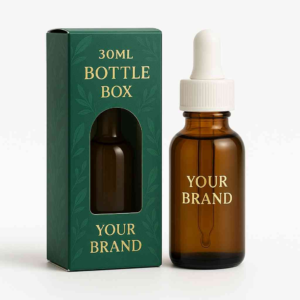
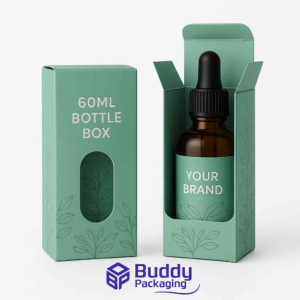
A die-cut refers to a custom-shaped cut in packaging material, often used to create unique openings or windows. It allows designers to showcase the product while maintaining brand aesthetics.
Folding Carton
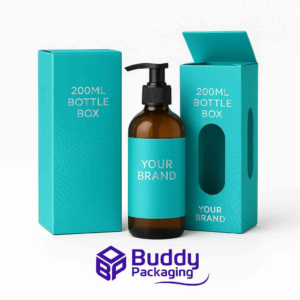
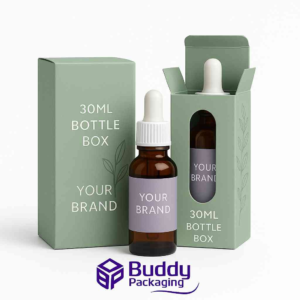
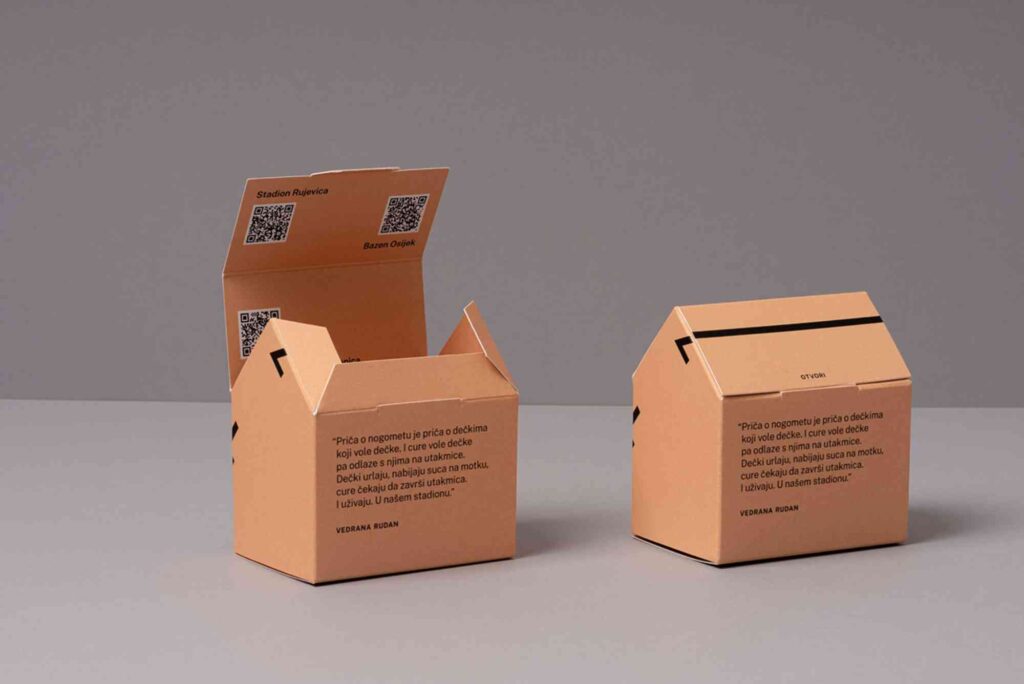
This is a common type of packaging made from paperboard. It is versatile and can be easily folded into various shapes. Terms like ‘tuck end’ or ‘reverse tuck’ indicate how the carton closes.
Sleeve
A sleeve is a cover that slides over another container. It is frequently used for additional branding or protective purposes.
Visual Design Terms
Visual design focuses on how packaging looks and feels to the consumer. Designers often refer to:
Typography
Typography involves the style and arrangement of text. Font choice, size, and spacing can dramatically affect readability and brand perception.
Colours Palette
Colours evokes emotions and helps differentiate products. Terms such as ‘Pantone’, ‘CMYK’, and ‘spot colours’ are used to ensure colours accuracy across packaging.
Finish
Finish refers to the surface texture of the packaging. Options like matte, gloss, or soft-touch affect both appearance and tactile experience.
Functional and Marketing Terms
Packaging also serves practical and promotional purposes. Common terms include:
Shelf Impact
Shelf impact describes how well a product stands out among competitors. High shelf impact often involves bold graphics, unique shapes, or vibrant colours.
Tamper-Evident
Tamper-evident packaging provides visible signs if the product has been opened or altered, enhancing consumer trust.
Sustainability
Sustainability is increasingly central to packaging design. Terms like ‘recyclable’, ‘compostable’, and ‘biodegradable’ indicate eco-friendly materials and production methods.
Innovations in Packaging Design
Modern packaging design is constantly evolving, incorporating both technology and consumer trends. Smart packaging, interactive elements, and augmented reality are now part of the designer’s toolkit. Understanding terms such as ‘QR code integration’ or ‘NFC-enabled packaging’ helps brands innovate while remaining consumer-focused.
How Packaging Terminology Impacts Business Decisions
Knowing packaging terminology is not just for designers—it influences production, marketing, and logistics. Using the correct terms ensures smoother communication between suppliers, printers, and design teams. For instance, discussing a ‘rigid set-up box’ versus a ‘folding carton’ helps manage expectations regarding cost, durability, and manufacturing timelines. Businesses investing in Custom Packaging benefit from this clarity, ensuring that the final product aligns perfectly with their brand vision.
Exploring Packaging Design Inspiration
Designers often look for creative ideas to elevate their packaging. Sources like packaging design inspiration showcase innovative approaches that combine aesthetics, functionality, and sustainability. Understanding and applying terminology from such examples can accelerate the design process while keeping it aligned with industry standards.
Packaging Terminology and Consumer Perception
Consumers may not be aware of specific packaging terms, but they feel their impact. Words like ‘eco-friendly’, ‘premium’, or ‘limited edition’ on packaging influence purchasing decisions. Using terminology correctly ensures that marketing claims are clear, enhancing trust and brand loyalty.
Regional Considerations
Packaging terminology can vary slightly between regions. For example, terms used in UK packaging manufacturing may differ from US practices. Understanding local nuances ensures effective communication with suppliers and designers. For brands operating internationally, this knowledge is essential to avoid confusion or costly errors.
Choosing the Right Packaging Partner
Selecting the right packaging partner can make a significant difference in implementing your design vision. Local experts, such as those at Buddy Packaging Location, offer guidance on materials, printing techniques, and design terminology. They ensure your packaging aligns with brand goals while meeting practical requirements like shipping durability and consumer appeal.
Mastering packaging design terminology equips brands and designers to create visually striking, functional, and sustainable packaging. It bridges the gap between creative ideas and practical execution, ensuring products resonate with consumers. If you’re ready to elevate your brand with professional packaging solutions, explore Custom Packaging today and start transforming your product presentation.
FAQ
What is the most important packaging design term?
Structural and visual terms like die-cut, typography, and colours palette are essential for both functionality and aesthetics.
Why is packaging terminology important?
It ensures clear communication between designers, manufacturers, and marketers, preventing costly mistakes.
How does packaging influence consumer perception?
Packaging signals quality, brand identity, and sustainability, affecting purchasing decisions.
Where can I find packaging design inspiration?
Websites like Packaging of the World provide creative ideas to guide both designers and businesses.
What materials are most common in packaging?
Cardboard, corrugated paper, plastic, glass, and metal are widely used depending on product needs and sustainability goals.