Designing a welcoming garden often begins with small, meaningful additions. One of the most rewarding choices is installing a bird box. The growing interest in Bird Box Designs UK has encouraged homeowners to look for safe, aesthetic and functional options that support native bird species. As British gardens become havens for wildlife, the need for well-made and well-placed bird boxes continues to rise. This guide walks you through everything you need to know, from choosing the right design to maintaining your box throughout the year.
Bird box choices vary widely, but the goal remains the same: attract native birds and help them thrive. When exploring Bird Box Designs UK, you will find that design, material and placement directly affect nesting success. This article shares practical insights you can apply today, ensuring your garden becomes an ideal habitat for local wildlife.
Understanding the Importance of Bird Box Designs in the UK
Creating a bird-friendly garden helps counter habitat loss caused by urban expansion. Well-thought-out bird box designs ensure safe nesting sites, especially for species that rely on enclosed spaces. Traditional nesting sites such as old trees and sheds are less common, which makes high-quality boxes essential.
Supporting wild birds benefits your garden as well. Birds naturally control pests and contribute to a balanced ecosystem. A well-designed bird box encourages species like blue tits, robins and sparrows, all of which play an important ecological role.
What Makes a High-Quality UK Bird Box Design?
Craftsmanship matters when choosing a bird box. UK weather conditions can be harsh, so a strong and resilient structure is essential. British bird box standards usually take into account insulation, ventilation and drainage, which protect nests from cold temperatures and moisture. Sustainable timber is often the preferred material because it provides natural warmth and longevity.
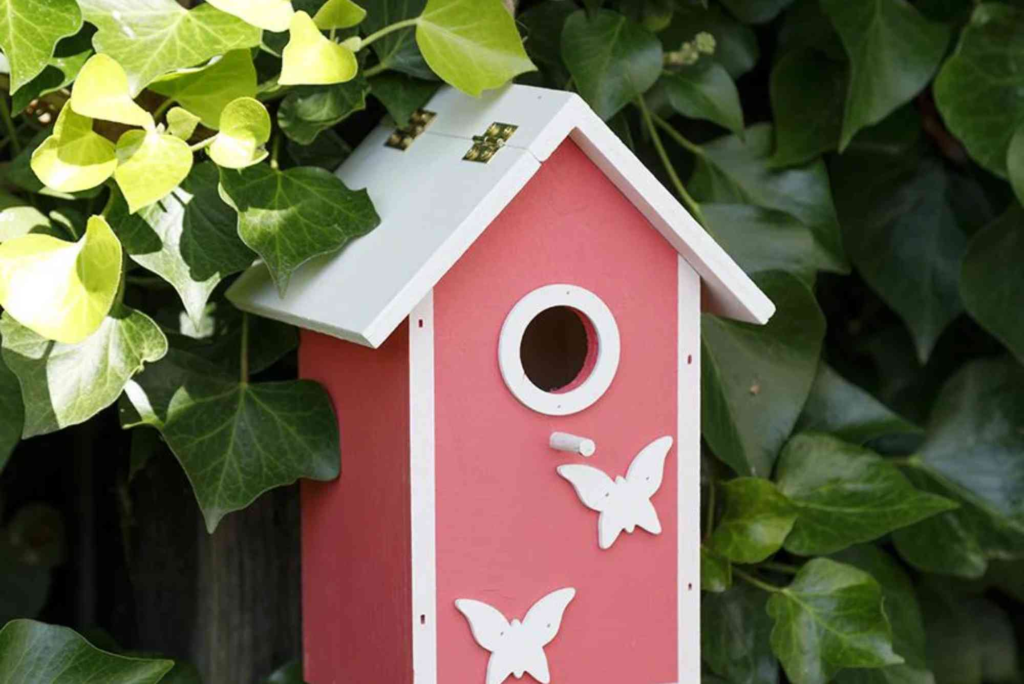
Another vital element is size. Every bird species has specific preferences. Small hole-fronted boxes suit blue tits or great tits, while open-fronted options attract robins or wrens. Smooth edges inside the entrance hole prevent injury, and an overhanging roof shields the nest from rain.
Choosing the Right Material for Bird Box Designs UK
Most high-quality bird boxes in the UK are built from untreated hardwood or exterior-grade plywood. These materials maintain durability without exposing birds to harmful chemicals. Treated timber should always be avoided because toxins seep into the nesting chamber over time.
Wood naturally blends into garden landscapes, offering camouflage from predators. Some modern bird box designs incorporate recycled plastics or composite fibres for extra longevity. While these can outperform timber in durability, they may retain heat during summer if not ventilated properly. For UK conditions, timber remains the most trusted choice.
The Role of Design in Attracting Birds
Design does far more than create visual appeal. The correct angle of the roof, appropriate depth of the nesting chamber and the placement of air holes all influence nesting success. Designs must prioritise temperature regulation and predator protection. A sloped roof encourages rain runoff, and a recessed floor prevents water buildup.
When browsing Bird Box Designs UK, you will notice some innovative approaches such as integrated cameras or modular structures. These options appeal to homeowners who want to observe nesting habits without disturbing the birds. Despite modern upgrades, the core design philosophy remains focused on safety and comfort for wildlife.
How Placement Affects Nesting Success
Even the best bird box fails if positioned poorly. Experienced gardeners place bird boxes between 1.5 and 3 metres high to avoid ground predators. Boxes should face between north and east to protect them from harsh sunlight and heavy rain. Wind exposure also matters; strong gusts discourage birds from nesting.
Avoid installing boxes near feeding stations, as high traffic stresses nesting birds. Instead, choose a quieter part of the garden with partial shade. When boxes are installed in the correct location, birds return year after year, turning your garden into a thriving sanctuary.
The Influence of UK Seasons on Bird Box Design
British weather patterns influence which bird box performs best. Cold winters demand well-insulated designs, while mild summers encourage better airflow. Seasonal awareness influences not only the construction but also maintenance tasks.
Spring is the most active season for nesting, so boxes must be cleaned and repaired beforehand. Autumn allows birds to roost for warmth, which makes a secure design essential. Understanding seasonal cycles helps homeowners choose the right box for long-term use.
Exploring Popular Bird Box Styles in the UK
Across the UK, certain styles have become favourites among gardeners. Classic pitched-roof boxes remain popular due to their balance of simplicity and function. Rustic cottage-style boxes appeal to those wanting decorative charm without sacrificing practicality.
Modern minimalist boxes suit contemporary gardens. These often feature clean lines and subtle colours that blend with architectural designs. No matter the visual style, the primary aim is always to meet the needs of native birds.
Decorative vs Functional Bird Boxes
While decorative boxes add personality to your garden, functionality must come first. Some decorative models compromise ventilation or entry dimensions. When selecting Bird Box Designs UK, always analyse whether the design genuinely supports nesting activity.
A beautiful bird box is only valuable when it safely houses wildlife. Many homeowners find pleasure in combining aesthetics with thoughtfully engineered nesting spaces.
Integrating Bird Boxes into Garden Design
A bird box should complement the overall style of your garden. When installed thoughtfully, it becomes a natural focal point. Gardeners often incorporate climbing plants or shrubs around the placement site, creating a habitat-rich microenvironment.
However, vegetation should not obstruct the entrance. Birds require a clear flight path, especially during stressful feeding periods. By balancing form and function, a bird box enhances both the visual appeal and biodiversity of your outdoor space.
Maintenance Tips for Long-Lasting Bird Boxes
Routine maintenance is essential for keeping your bird box safe. Cleaning should occur once birds have left for the season, usually in late summer. Remove old nesting material and inspect for damage. Replace any worn screws or warped panels.
Moisture can damage timber over time. Regular checks throughout winter prevent water buildup or mould. Well-maintained bird boxes offer year-round refuge and remain attractive to returning birds.
Common Mistakes to Avoid When Choosing Bird Box Designs UK
Many homeowners unintentionally reduce nesting success by choosing unsuitable designs. Overly large entrances invite predators, while brightly painted boxes may deter shy species. Placement near busy paths or noisy areas can also discourage nesting.
Avoid designs with perches, as they provide leverage for predators. The best approach is to follow established UK recommendations and select designs that prioritise safety over appearance.
Modern Innovations in Bird Box Designs UK
Eco-friendly paints, solar-powered cameras and recycled materials are becoming popular additions to bird boxes in the UK. These innovations allow bird lovers to observe wildlife without causing disruption. While upgrades can be appealing, they should enhance rather than compromise the core function.
Modular bird boxes, for example, allow easy cleaning and can be adapted for different seasons. These designs appeal to gardeners who enjoy flexibility and long-term durability.
Practical Advice for First-Time Bird Box Owners
If this is your first bird box, begin with a simple and proven design. Choose a style recommended for common UK species and place it in a sheltered location. Once birds start visiting, you can explore additional boxes and expand your garden’s wildlife features.
Many new homeowners use online resources for guidance on placement and maintenance. For packaging ideas related to nature-inspired designs, you may explore options such as Custom Boxes. If you want design-related inspiration for creative thinking, you can also visit box design tips. For those wishing to visit Buddy Packaging, see Buddy Packaging Location.
FAQ: People Also Ask
What is the best height to put up a bird box in the UK?
Most experts recommend placing the box between 1.5 and 3 metres high. This height protects birds from ground predators and provides a clear flight path.
When should I put up a bird box in the UK?
The best time is late winter or early spring. This gives birds enough time to explore and select the box before the nesting season begins.
Should a bird box face a certain direction?
Yes, positioning the box facing between north and east protects it from harsh weather and prevents overheating.
Do I need to clean my bird box every year?
Annual cleaning helps prevent disease and encourages birds to return. It also removes parasites and old nesting material.
Make Your Garden a Sanctuary for Wildlife
Investing in Bird Box Designs UK offers long-term rewards for both wildlife and your outdoor space. Thoughtful design, careful placement and ongoing maintenance create a safe home for nesting birds. Whether you prefer traditional wooden boxes or modern innovative designs, the right choice enriches your garden and supports local ecosystems.