Introduction
In the competitive world of food products, packaging design plays a critical role in attracting customers and communicating brand values. Effective packaging does more than protect the product—it tells a story, engages the senses, and influences purchasing decisions. In this article, we explore the principles, trends, and best practices of packaging design for food, helping brands elevate their offerings in both aesthetic appeal and functionality.
The Importance of Packaging Design for Food
Food packaging is the silent salesperson on the shelf. It creates first impressions, builds trust, and drives consumer choices. The right design balances practicality with visual appeal, ensuring the product is both functional and enticing. From freshness preservation to sustainability, every element of packaging influences how customers perceive the brand.
Enhancing Brand Identity Through Packaging
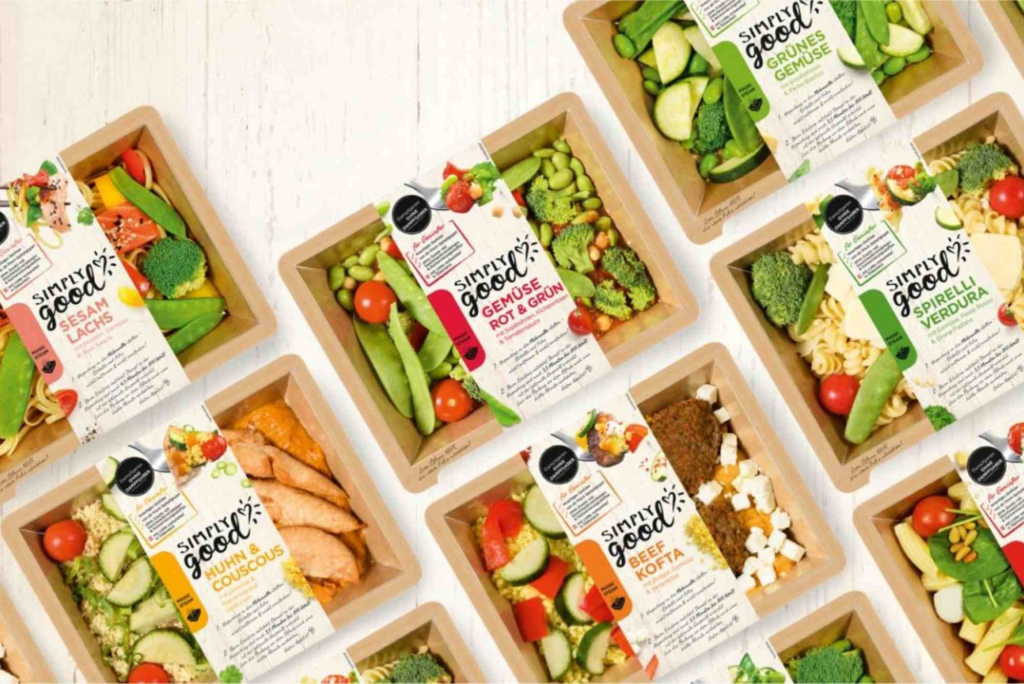
Packaging design allows brands to express their personality and differentiate from competitors. Colours, typography, and imagery convey values and create a consistent visual identity. For example, organic food brands often use earthy tones and minimalist designs, whereas indulgent treats may feature vibrant colours and playful typography.
Functional Considerations in Food Packaging
Beyond aesthetics, functionality is paramount. Packaging must protect food from contamination, spoilage, and damage during transportation. It also needs to offer convenience, such as resealable bags or portion-controlled packs. Balancing functionality with attractive design ensures that consumers enjoy both usability and visual appeal.
Key Elements of Effective Food Packaging Design
Several factors determine the success of food packaging. Understanding and implementing these elements ensures that the packaging stands out while maintaining usability and compliance.
Material Selection
Choosing the right material is essential for both product preservation and brand perception. Options include recyclable plastics, biodegradable materials, glass, and metal. Each material offers different levels of protection, cost, and sustainability impact. Brands increasingly focus on eco-friendly options to appeal to environmentally conscious consumers.
Visual Design
The visual appeal of food packaging can significantly influence purchasing decisions. Packaging designers consider colours schemes, imagery, and typography to evoke desired emotions. Consistency across the product line helps strengthen brand recognition and builds consumer trust.
Structural Design
Structural design addresses the physical form of the packaging. Shapes, sizes, and opening mechanisms impact convenience and shelf presence. Innovative structures, such as easy-pour cartons or ergonomic snack pouches, improve user experience while standing out in retail environments.
Labeling and Compliance
Food packaging must meet regulatory requirements, including ingredient lists, nutritional information, and allergen warnings. Clear, legible labeling not only ensures compliance but also enhances consumer trust. Transparency in packaging design reflects a brand’s commitment to honesty and quality.
Trends Shaping Food Packaging Design
The food packaging industry evolves rapidly, influenced by consumer preferences, technology, and sustainability demands. Staying updated with trends ensures designs remain modern and effective.
Sustainable Packaging Solutions
Eco-conscious consumers increasingly prioritise sustainability. Biodegradable, recyclable, and reusable packaging options resonate with this audience. Brands adopting sustainable solutions demonstrate social responsibility, enhancing customer loyalty.
Minimalist and Clean Designs
Minimalism in packaging design emphasizes simplicity, clarity, and elegance. By reducing clutter, minimalist designs highlight essential product information and brand identity. Clean designs also convey a premium feel, appealing to discerning customers.
Interactive and Smart Packaging
Advancements in technology have introduced interactive packaging features, such as QR codes, NFC tags, and augmented reality experiences. These innovations engage consumers, providing additional information, recipes, or brand stories, creating a memorable connection with the product.
Localisation and Cultural Relevance
Understanding the target market is crucial for effective packaging design. Packaging that resonates with local culture, language, and consumer habits enhances relatability. For example, colours symbolism or imagery reflecting regional traditions can significantly boost appeal.
Tips for Creating Effective Food Packaging Design
Developing compelling packaging requires a balance of creativity, research, and technical expertise. Incorporating these strategies ensures the packaging supports both brand and product goals.
Conduct Consumer Research
Understanding the target audience’s preferences and behaviours is key. Conduct surveys, focus groups, and market analysis to determine what appeals visually, emotionally, and practically. This research informs decisions on colours, typography, and packaging format.
Prioritise Functionality
While aesthetics are important, packaging must serve its primary purpose: protecting and preserving the product. Consider factors such as product type, shelf life, and transportation conditions when designing packaging solutions.
Emphasise Brand Storytelling
Every element of packaging is an opportunity to communicate your brand story. From logo placement to imagery and messaging, consistent storytelling enhances recognition and consumer trust.
Explore Packaging Design Inspiration
Seeking inspiration from other successful designs can spark creativity and innovation. Platforms showcasing creative concepts, trends, and case studies can guide brands in developing unique packaging solutions. Explore packaging design inspiration for fresh ideas.
Custom Packaging Solutions
Tailoring packaging to your product’s unique needs ensures a perfect balance of form and function. Custom packaging solutions allow brands to stand out, reinforce identity, and meet specific logistical requirements. Learn more about Custom Packaging options for enhanced impact.
Case Studies in Effective Food Packaging
Several brands exemplify how thoughtful packaging design can drive sales, build brand loyalty, and communicate quality.
Premium Snack Packaging
High-end snack brands often use minimalist designs combined with high-quality materials. Matte finishes, soft-touch coatings, and embossed logos convey luxury while maintaining functionality.
Eco-Friendly Beverage Packaging
Beverage brands are increasingly adopting recyclable or biodegradable packaging. Transparent labeling, natural imagery, and recyclable materials appeal to eco-conscious consumers while maintaining freshness.
Innovative Snack Structures
Some brands create ergonomic snack pouches with resealable tops for convenience. Unique shapes improve shelf visibility and user experience, making products more appealing.
Packaging Design and Sustainability
Sustainability is no longer optional in the food industry. Consumers expect brands to consider environmental impact, and regulatory pressures increasingly demand responsible practices.
Material Reduction
Reducing packaging material without compromising protection lowers environmental impact and cost. Lightweight designs, minimal layers, and efficient shapes support eco-friendly goals.
Recyclability and Biodegradability
Choosing recyclable or biodegradable materials helps brands meet consumer expectations and reduce landfill contributions. Clearly labeled recycling instructions encourage proper disposal.
Circular Economy Initiatives
Some brands implement circular economy strategies, such as reusable packaging, refill systems, or take-back programs. These initiatives enhance brand reputation and reduce environmental footprint.
Effective packaging design for food is a strategic tool that drives consumer engagement, strengthens brand identity, and ensures product safety. By combining functionality, aesthetics, and sustainability, brands can create memorable packaging that resonates with their audience. Whether through innovative structures, sustainable materials, or clear brand storytelling, thoughtful packaging elevates both product and brand perception.
Ready to transform your food packaging? Explore Buddy Packaging Location to discover expert solutions that combine creativity, functionality, and sustainability.
FAQ
What is the importance of food packaging design?
Food packaging design influences consumer decisions, protects the product, and communicates brand values effectively.
How can packaging improve food product sales?
Attractive, functional, and informative packaging engages consumers, enhances brand trust, and encourages purchase.
What materials are best for food packaging?
Materials like recyclable plastics, biodegradable options, glass, and metal balance protection, sustainability, and cost.
How can I make my packaging more sustainable?
Use recyclable or biodegradable materials, reduce material usage, and explore reusable or refillable packaging systems.
Where can I find packaging design inspiration?
Explore packaging design inspiration to discover creative concepts and trends in the industry.