Woodblock Printing Designs: A Timeless Art Form
Woodblock printing designs have fascinated artists, designers, and enthusiasts for centuries. This intricate art form, originating in East Asia, offers a unique blend of creativity, tradition, and craftsmanship. Whether you are a professional designer seeking packaging design inspiration or an art lover exploring historical techniques, woodblock printing provides endless possibilities. Its distinctive textures and patterns make it ideal for prints, fabrics, and even modern Custom Packaging solutions.
The History of Woodblock Printing Designs
Woodblock printing began in China around the 9th century and later spread to Japan, Korea, and Europe. Initially, it was used to reproduce texts, religious scripts, and illustrations. In Japan, it evolved into the renowned ukiyo-e prints, depicting landscapes, daily life, and folklore. These prints were characterised by bold lines, rich textures, and vibrant colour schemes. Over time, woodblock printing designs transcended cultural boundaries, influencing European printmakers during the Renaissance.
This long history highlights the resilience and adaptability of woodblock printing. Artists could experiment with different carving techniques, pigments, and paper types, resulting in diverse aesthetic outcomes. Even today, designers leverage these traditional patterns in modern applications such as stationery, packaging, and textiles.
Techniques Used in Woodblock Printing Designs
Woodblock printing designs rely on careful carving, inking, and pressing. Each stage requires precision and skill, ensuring that the final print captures the intended detail and expression.
Carving Techniques
Artists typically use softwood or cherry wood blocks to carve their designs. The carving process can involve relief carving, where raised areas are inked, or intaglio, where recessed areas hold the ink. The choice of carving method influences the texture, line quality, and depth of the final print.
Inking Methods
Applying ink is an essential step in woodblock printing. Traditional designs use water-based inks, which allow layering of colours and subtle gradations. Modern techniques sometimes employ oil-based inks for durability and vividness. The inking process requires consistency to ensure even coverage and crisp lines.
Printing and Pressing
Once inked, the block is pressed onto paper or fabric. Hand pressing offers a unique, artisanal touch, while mechanical presses allow for larger print runs. Paper quality, texture, and thickness also affect the final outcome. Many contemporary artists experiment with unconventional surfaces, expanding the versatility of woodblock printing designs.
Common Styles of Woodblock Printing Designs
Woodblock printing designs are diverse, ranging from intricate florals to abstract patterns. Each style reflects cultural heritage, artistic intent, and technical approach.
Traditional Asian Designs
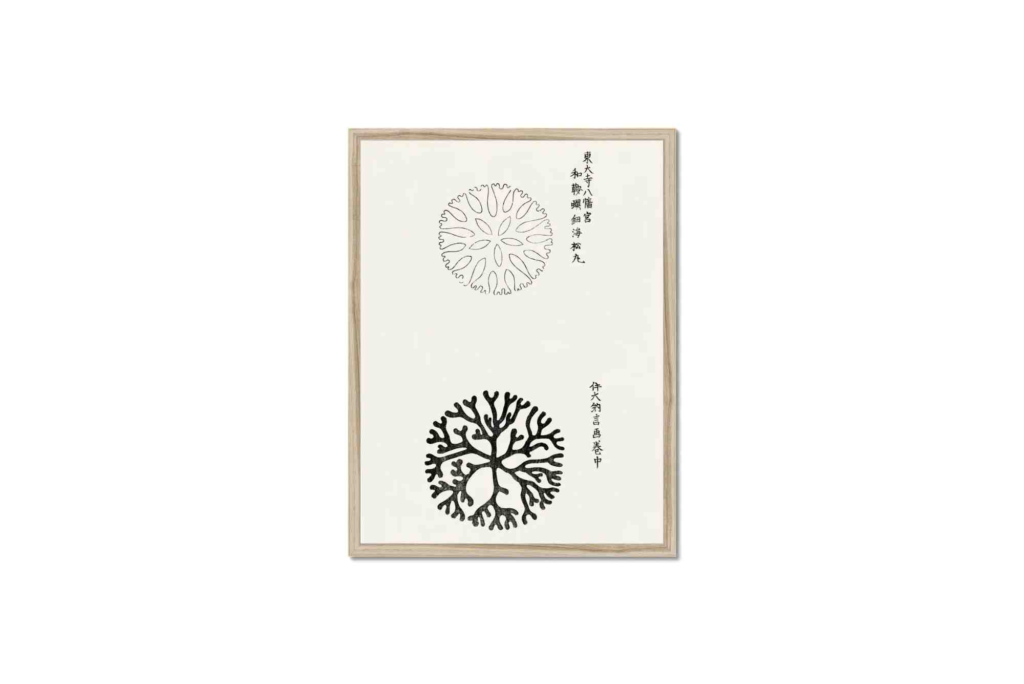
These include Chinese and Japanese motifs, such as dragons, waves, and cherry blossoms. The emphasis is often on fine lines, detailed textures, and symbolism. Traditional Asian designs are frequently adapted for modern Custom Packaging, adding elegance and cultural depth to product presentation.
European Influences
During the Renaissance, European woodblock printing adopted shading techniques and realistic depictions of people and nature. These designs often feature hatching, cross-hatching, and tonal variations, demonstrating advanced craftsmanship. European woodblock prints influenced modern illustration and book design.
Contemporary and Abstract Designs
Modern woodblock printing embraces abstract forms, geometric patterns, and experimental textures. Artists blend traditional methods with digital tools to create unique designs for textiles, wallpapers, and marketing materials. This adaptability makes woodblock printing a valuable source of packaging design inspiration for brands seeking originality.
Applications of Woodblock Printing Designs Today
Woodblock printing designs have transcended their historical roots to influence multiple creative industries.
Textile Design
Textiles are a natural canvas for woodblock printing. Patterns can range from subtle textures to bold statement motifs, enhancing fashion collections and home decor. Designers often combine hand-printed techniques with digital processes for efficiency without compromising the artisanal quality.
Stationery and Art Prints
Woodblock prints add a tactile and visual richness to stationery products, posters, and greeting cards. Limited-edition art prints are highly sought after, as they offer authenticity and individuality. Incorporating woodblock designs into stationery elevates its aesthetic and collectible value.
Packaging and Branding
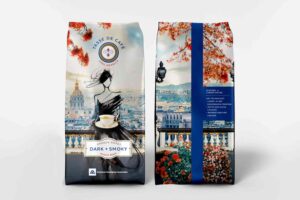
One of the most compelling contemporary uses of woodblock printing designs is in packaging. The tactile, hand-crafted appearance conveys luxury, authenticity, and attention to detail. Brands that invest in high-quality packaging often use woodblock-inspired textures and patterns to stand out on shelves. For businesses looking to create distinctive product presentations, exploring Buddy Packaging Location or contacting experts for Custom Packaging can help translate these artistic designs into physical packaging solutions.
Interior Design and Decor
From wallpapers to furniture inlays, woodblock patterns bring a timeless charm to interior spaces. Hand-carved designs create focal points, while printed patterns can unify a theme throughout a room. The adaptability of woodblock prints allows designers to blend traditional aesthetics with modern interiors seamlessly.
Tips for Creating Stunning Woodblock Printing Designs
Designing impactful woodblock prints requires both artistic vision and technical proficiency. Here are some essential tips for achieving high-quality results.
Start with a Strong Concept
Before carving, define your theme and motifs. Traditional symbols, abstract shapes, or modern interpretations can guide the design process. Researching existing patterns can provide packaging design inspiration without copying directly.
Choose the Right Materials
Selecting quality wood, paper, and inks is critical. Softwoods are easier to carve, while dense hardwoods hold fine details. Paper texture affects ink absorption, and pigment type influences vibrancy and longevity.
Practice Precision Carving
Clean, deliberate carving ensures sharp lines and accurate details. Beginners may benefit from practicing on smaller blocks or scrap wood before attempting a large design.
Experiment with Colour and Texture
Layering multiple colours or creating gradients enhances visual interest. Experimenting with inking techniques, such as stippling or dry brushing, can produce unique textures.
Incorporate Modern Techniques
Combining digital tools with traditional methods allows for precise adjustments, scaling, and replication. Designers can digitise woodblock patterns for online use, print applications, and packaging concepts, bridging traditional craft with contemporary demands.
Benefits of Woodblock Printing Designs for Branding
Woodblock printing designs can significantly elevate a brand’s visual identity. Handcrafted elements communicate authenticity, attention to detail, and creativity. For products, this artistic touch often results in higher perceived value. Brands that use woodblock-inspired designs stand out in saturated markets, capturing the interest of discerning consumers. Incorporating these designs in Custom Packaging reinforces the brand’s story, creates a memorable unboxing experience, and strengthens customer loyalty.
Woodblock Printing Designs in Digital Marketing
Digital marketing also benefits from woodblock aesthetics. Social media posts, website graphics, and promotional materials can feature scanned or digitised prints. This fusion of traditional art and digital platforms creates eye-catching visuals that resonate with audiences seeking originality. Businesses can use woodblock designs to enhance content marketing, product launches, and campaigns without sacrificing authenticity.
Embracing the Timeless Beauty of Woodblock Printing Designs
Woodblock printing designs represent a perfect marriage of tradition and innovation. Their rich history, versatile techniques, and aesthetic appeal make them invaluable for artists, designers, and businesses alike. By incorporating woodblock-inspired patterns, brands can create captivating visuals, elevate packaging, and inspire creativity across multiple domains. Whether for textiles, stationery, or Custom Packaging, these designs provide a timeless source of inspiration.
Explore the endless possibilities of woodblock printing in your next project and elevate your creative vision. For practical implementation, consider connecting with experts at Buddy Packaging Location to bring your designs to life.
If you’re looking to create personalised mugs, using a ready-made design template can save time and ensure professional results. Check out our easy-to-use mug printing design template to customise your mugs with unique designs that stand out and make perfect gifts or promotional items.
FAQs
What are woodblock printing designs?
Woodblock printing designs are patterns created by carving designs into wood blocks, inking them, and pressing them onto surfaces like paper, fabric, or packaging materials.
How do I start woodblock printing at home?
Begin with softwood blocks, simple designs, and water-based inks. Practice carving and printing on scrap materials before creating finished pieces.
Can woodblock printing be used in packaging?
Yes, woodblock-inspired patterns are widely used in Custom Packaging to create unique, artisanal packaging that enhances brand identity.
Where can I find packaging design inspiration for woodblock prints?
Websites like packaging design inspiration showcase innovative ways to integrate woodblock designs into modern packaging.
Are woodblock prints expensive?
Costs vary depending on materials, complexity, and scale. Handmade prints are usually higher priced due to the time and skill involved.
What types of wood are best for woodblock printing?
Softwoods like pine and basswood are ideal for beginners, while hardwoods like cherry or maple hold fine details better for advanced designs.