Introduction
Print and packaging design plays a critical role in how brands communicate, sell, and build trust. In today’s competitive market, customers often judge a product within seconds. The look, feel, and message of the packaging can determine whether a product is picked up or ignored. This is why print and packaging design is no longer just about aesthetics. It is about strategy, experience, and brand storytelling combined into one physical form.
From retail shelves to e-commerce deliveries, packaging acts as a silent salesperson. A well-designed box or label communicates quality, reliability, and value before the product is even used. When print and packaging design is done thoughtfully, it creates emotional connections and reinforces brand identity at every touchpoint.
The Role of Print and Packaging Design in Branding
Print and packaging design is one of the most direct expressions of a brand. Unlike digital ads that disappear quickly, packaging stays with the customer. It sits on shelves, desks, and kitchen counters. This constant presence makes it a powerful branding tool.
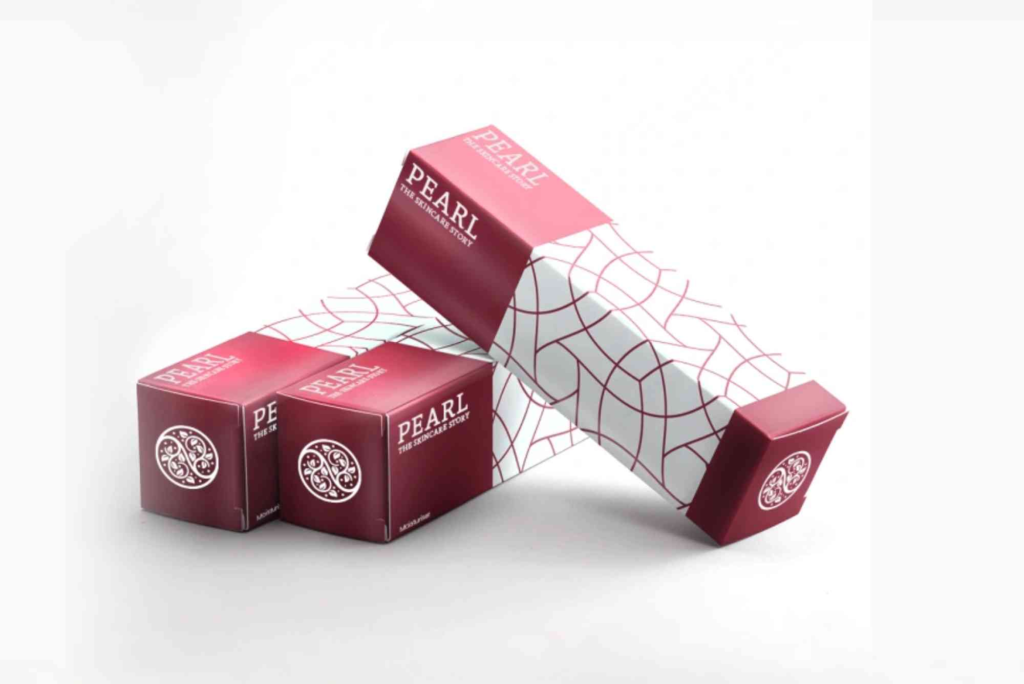
Consistent colours, typography, and materials help customers recognise a brand instantly. When these elements are applied correctly, packaging strengthens brand recall and trust. Over time, customers begin to associate specific visual cues with reliability and quality. This is especially important in crowded markets where differentiation is difficult.
Good print and packaging design also communicates brand values. Minimal designs often suggest sophistication. Bold designs convey confidence and energy. Sustainable materials signal environmental responsibility. Each design choice sends a message, whether intentional or not.
Understanding the Psychology Behind Packaging
Packaging influences buying decisions through psychology. Colours trigger emotions. Shapes affect perception. Textures influence perceived quality. Print and packaging design uses these psychological triggers to guide consumer behaviour.
For example, matte finishes often feel premium and refined. Glossy finishes suggest vibrancy and modernity. Soft-touch coatings can create a sense of luxury and care. Even the weight of packaging can influence how valuable a product feels.Typography also matters. Clean fonts build trust and clarity. Decorative fonts create personality but must remain readable. When typography aligns with the product purpose, it enhances understanding and confidence.
Materials and Sustainability in Modern Packaging
Sustainability has become a core part of print and packaging design. Consumers are increasingly aware of environmental impact. Brands that ignore this risk losing trust and relevance.
Modern packaging design focuses on recyclable materials, reduced waste, and efficient production. Cardboard, kraft paper, and biodegradable coatings are now widely used. These choices not only reduce environmental harm but also appeal to conscious buyers. Sustainable packaging does not mean boring design. Creative use of textures, natural colours, and smart printing techniques can produce visually striking results. When sustainability is combined with strong design, it becomes a competitive advantage rather than a limitation.
Customisation as a Competitive Advantage
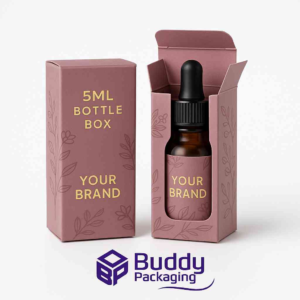
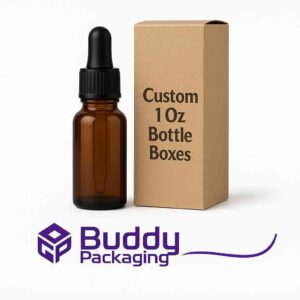
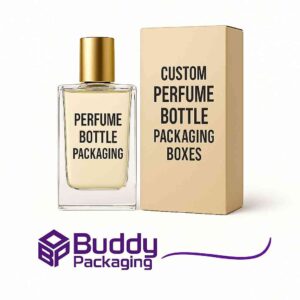
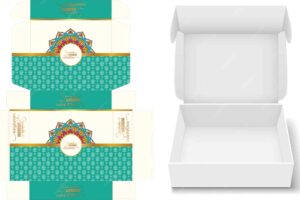
Customisation has transformed print and packaging design. Standard packaging no longer satisfies brands that want to stand out. Custom shapes, sizes, and finishes allow products to reflect brand personality more accurately.
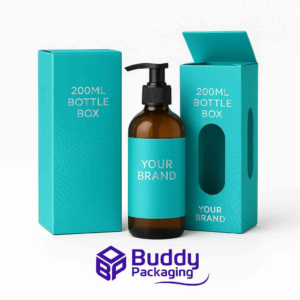
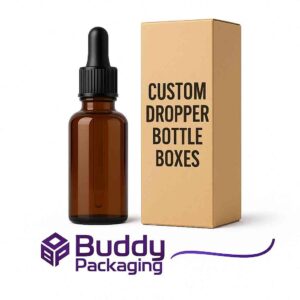
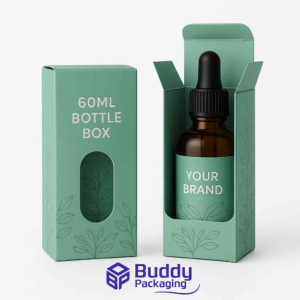
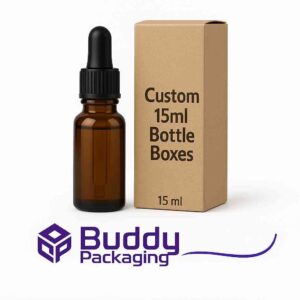
Investing in Custom Packaging helps brands create memorable unboxing experiences. When customers open a package that feels personal and well-crafted, it builds excitement and loyalty. This is especially powerful in e-commerce, where the unboxing moment replaces the in-store experience. Custom packaging also improves functionality. Products fit better, reducing damage and returns. This improves customer satisfaction and lowers long-term costs. Design and practicality must work together to achieve these results.
Print Quality and Finishing Techniques
Print quality is a defining factor in print and packaging design. Poor printing can ruin even the best design concept. Sharp images, accurate colours, and clean text are essential for professionalism.
Finishing techniques add depth and sophistication. Embossing creates texture and focus. Foil stamping adds elegance and highlights key elements. Spot UV draws attention through contrast. These techniques should enhance the design, not overwhelm it. Staying informed about industry trends and print & finishing insights helps brands and designers make smarter decisions. Technology evolves quickly, and understanding new methods can unlock creative and commercial opportunities.
Packaging Design for Retail and E-commerce
Retail and e-commerce packaging serve different purposes but share the same goal. Both aim to attract, protect, and communicate. In retail, packaging must compete visually on shelves. In e-commerce, it must survive shipping and delight on arrival.
Print and packaging design for retail focuses on visibility and clarity. Key information must be readable at a glance. Brand identity should stand out from competitors. For e-commerce, durability and presentation are equally important. A strong unboxing experience encourages social sharing and repeat purchases. Thoughtful packaging design can turn customers into brand advocates without extra marketing spend.
Regulatory and Informational Design Considerations
Packaging must also meet legal and informational requirements. This includes product details, safety warnings, and barcodes. Print and packaging design must integrate these elements without clutter.
Clear hierarchy is essential. Important information should be easy to find. Design should guide the eye naturally. When done correctly, compliance enhances trust rather than distracting from the brand message. Ignoring these requirements can lead to penalties and loss of credibility. Professional design balances creativity with responsibility.
The Importance of Location and Logistics
Packaging design is influenced by location and logistics. Local regulations, climate, and transport methods affect material choices and durability. Working with experienced local providers ensures these factors are considered.
Understanding the Buddy Packaging Location helps brands align design decisions with practical realities. Proximity can improve communication, reduce lead times, and ensure consistent quality. Local expertise also supports sustainability by reducing transportation emissions and supporting regional economies.
How Print and Packaging Design Drives Business Growth
Print and packaging design directly impacts sales and brand growth. Attractive packaging increases shelf appeal. Functional packaging reduces damage and returns. Memorable design encourages repeat purchases.
Brands that invest in quality packaging often see higher perceived value. Customers are willing to pay more for products that look and feel premium. Over time, this builds stronger brand equity and market positioning. Packaging also supports marketing efforts. It reinforces campaigns, messaging, and brand voice. When packaging aligns with digital and offline marketing, it creates a unified brand experience.
Common Mistakes in Packaging Design
One common mistake is prioritising appearance over usability. Packaging that looks good but is difficult to open frustrates customers. Another mistake is inconsistency across product lines, which weakens brand recognition.
Overloading packaging with information is also a problem. Too much text confuses buyers and reduces impact. Effective print and packaging design focuses on clarity and relevance. Ignoring print limitations can lead to unexpected results. Colours may shift. Details may blur. Testing and collaboration with printers prevent these issues.
Future Trends in Print and Packaging Design
The future of print and packaging design is shaped by technology and sustainability. Smart packaging with QR codes and interactive elements is becoming more common. These features connect physical packaging to digital experiences.
Personalisation through variable data printing allows brands to create targeted packaging runs. This adds relevance and engagement. Eco-friendly innovations continue to expand, offering new materials and processes. Despite these changes, the core principles remain the same. Clarity, consistency, and customer focus will always define successful packaging design.
Investing in Print and Packaging Design
Print and packaging design is a powerful business tool. It influences perception, drives sales, and builds long-term brand value. When design, materials, and printing work together, packaging becomes more than a container. It becomes a brand experience.
Businesses that invest in thoughtful packaging stand out in crowded markets. They communicate quality, care, and confidence without saying a word. If you want your product to be remembered, trusted, and chosen, start with strong print and packaging design. Now is the time to review your packaging strategy. Consider how design, sustainability, and customisation can elevate your brand and connect with your audience more effectively.
If you’re looking to elevate your brand’s identity with a professional and memorable logo, exploring trusted design resources can make all the difference. For high-quality and customizable solutions tailored to your business needs, check out VistaPrint logo design services — a reliable option that helps you create striking logos with ease and impact.
Frequently Asked Questions
What is print and packaging design?
Print and packaging design is the process of creating visual and structural designs for product packaging. It combines branding, materials, printing, and functionality.
Why is packaging design important for small businesses?
Packaging design helps small businesses appear professional and trustworthy. It improves brand recognition and helps compete with larger brands.
How does packaging design affect customer perception?
Packaging design shapes first impressions. High-quality design increases perceived value and builds confidence in the product.
What materials are best for sustainable packaging?
Recyclable cardboard, kraft paper, and biodegradable coatings are popular sustainable options. Material choice depends on product needs.
Can custom packaging increase sales?
Yes, custom packaging improves brand differentiation and customer experience. This often leads to higher engagement and repeat purchases.