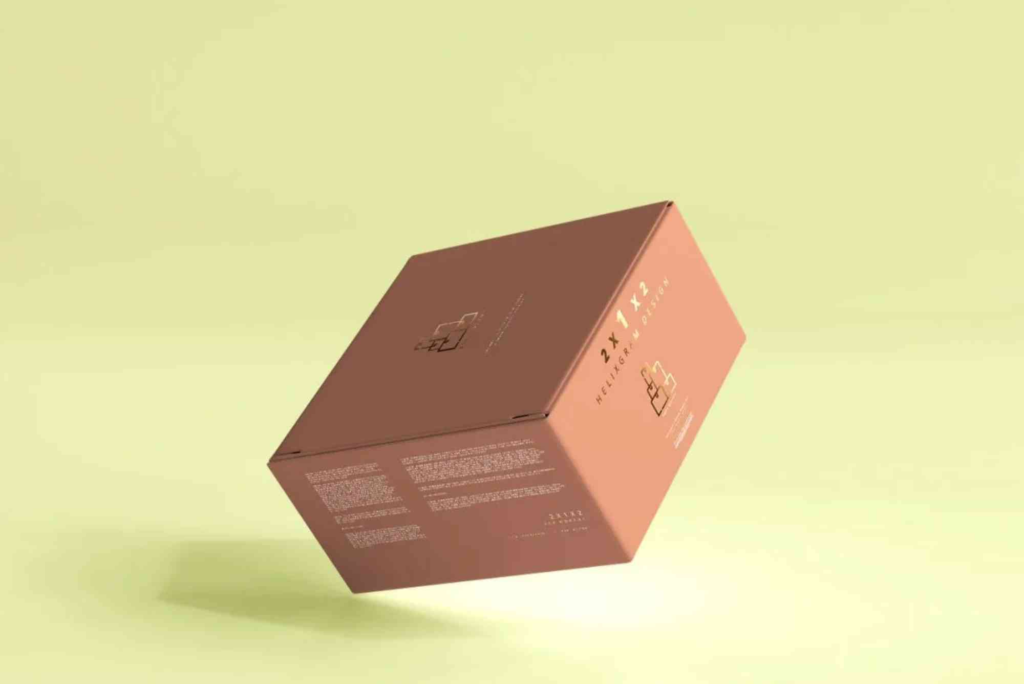
Packaging Design Costs UK: Complete Guide for Businesses
When launching or rebranding a product, packaging plays a vital role in how customers perceive your brand. Businesses in the UK often ask, “What are typical packaging design costs UK brands should expect?” The answer depends on many factors, from design complexity and materials to branding strategy and production methods. This guide breaks down everything you need to know, offering clarity for startups, small businesses, and established companies looking to invest in packaging that truly stands out.
Why Packaging Design Matters in the UK Market
The UK retail market is competitive, and packaging design directly influences buying decisions. A well-designed package does more than protect the product. It tells your brand’s story, creates emotional appeal, and builds trust. Consumers often form their first impression of a product in just a few seconds, and design is a major factor in this decision-making process. Brands that invest in professional design tend to enjoy better sales, stronger brand recognition, and improved customer loyalty.
Understanding Packaging Design Costs UK
When calculating packaging design costs UK businesses must remember that no two projects are the same. Prices vary depending on design services, revisions, expertise of the designer, and whether the project involves standard packaging or bespoke creations. Some businesses spend as little as £200 for simple designs, while larger projects involving advanced branding, mock-ups, and multiple product lines can reach several thousand pounds.
Factors That Influence Packaging Design Costs UK
Type of Packaging
The type of packaging you require has a huge impact on costs. A simple label design for a jar will be more affordable than a fully customised retail box with embossing or foil stamping. Rigid boxes, eco-friendly pouches, and luxury packaging materials require additional expertise and detail, which naturally raises costs.
Design Complexity
Minimalist designs with simple typography usually cost less, while complex illustrations, unique die-cuts, and 3D mock-ups increase the price. Brands targeting premium markets often prefer intricate designs that convey exclusivity, which adds to the overall budget.
Designer or Agency Expertise
Freelance designers may offer lower rates, but established design agencies bring extensive experience and strategic insight. Agencies in London or other major UK cities typically charge higher fees due to demand and market value. The choice depends on your brand goals and how much expertise you need.
Number of Revisions
Packaging design often involves multiple revisions to ensure the final result aligns with brand identity. More revisions mean higher costs. Some designers include two or three revisions in their fee, while others charge extra for additional changes.
Branding and Strategy
If your packaging project also includes a full brand identity package—such as logo creation, colours palette development, and typography guidelines—costs will be higher. This is common for startups that need a strong foundation for their brand.
Materials and Sustainability
UK consumers increasingly prefer eco-friendly packaging. If you are incorporating recyclable or biodegradable materials, costs may rise due to sourcing and specialist printing requirements. However, this investment can pay off by strengthening brand reputation.
Typical Price Ranges for Packaging Design in the UK
While exact figures vary, most businesses can expect the following ranges:
- Simple packaging designs such as labels or stickers: £200 – £500
- Standard retail packaging with custom graphics: £500 – £1,500
- Complex packaging for multiple product lines: £1,500 – £5,000
- Luxury and bespoke packaging design with branding strategy: £5,000+
These estimates help businesses budget realistically while understanding that design is a long-term investment.
Custom Packaging and Its Role in Design Costs
For businesses seeking unique solutions, Custom Packaging often justifies higher design costs. Custom designs not only enhance aesthetics but also improve product protection, shelf appeal, and customer experience. Many UK companies use custom packaging to stand out in e-commerce, where a memorable unboxing experience can increase repeat purchases and word-of-mouth marketing.
Packaging Design Tips to Save Costs
Effective packaging does not always mean expensive packaging. Brands can take advantage of professional packaging design tips to save on costs without compromising quality. For example, using modular design elements allows for easier adaptation across product lines. Keeping designs clean and consistent also reduces printing complications. Another cost-saving strategy is to use versatile packaging sizes that work for multiple products, lowering production expenses.
Working with UK Packaging Designers
When hiring a designer, businesses should request a detailed quote that outlines services, timelines, and revision policies. Many UK agencies offer bundled services, including mock-ups, prototypes, and brand guidelines, which can provide better value overall. Visiting a designer’s location or office, such as Buddy Packaging Location, also allows you to discuss requirements in person and build a stronger working relationship.
Balancing Quality and Cost
While it might be tempting to choose the cheapest option, cutting corners on packaging design can damage brand perception. In the UK market, where consumers are used to high design standards, poor packaging may discourage purchases. The goal should be finding a balance—investing in quality where it matters while managing costs through smart design decisions.
Future Trends Affecting Packaging Design Costs UK
As the market evolves, new trends are shaping costs and strategies:
Sustainability
Eco-friendly materials and minimalist designs continue to grow in demand. While initial costs may be higher, long-term savings often come from reduced material use and stronger consumer appeal.
Digital Printing
Advances in digital printing are making short runs more affordable. Businesses can now test designs without committing to large production quantities, reducing financial risk.
Smart Packaging
QR codes, NFC tags, and other interactive elements are becoming popular. These innovations increase costs but also provide value by enhancing customer engagement.
Personalisation
Personalised packaging, especially for e-commerce and limited editions, adds value but may increase costs due to design variations and smaller print runs.
Investing in Packaging Design Costs UK
Packaging design costs UK businesses face can vary widely, but one truth remains constant: quality packaging is an investment, not an expense. From simple labels to premium bespoke boxes, the right design strengthens your brand, attracts buyers, and builds trust. By considering factors such as design complexity, materials, and sustainability, businesses can make informed choices that balance creativity with cost-efficiency.
If you are ready to explore professional packaging solutions, start by consulting experienced designers and considering options like Custom Packaging. With expert guidance and strategic planning, your brand can achieve packaging that not only looks stunning but also delivers measurable results.
FAQs
How much does packaging design cost in the UK?
Costs range from £200 for simple designs to over £5,000 for complex, branded packaging solutions. The final price depends on complexity, materials, and designer expertise.
Do I need a professional designer for packaging?
Yes, especially in the UK market. Professional designers understand branding, consumer psychology, and print requirements, which ensures your packaging performs well.
Is custom packaging worth the cost?
Absolutely. Custom packaging enhances brand identity, improves customer experience, and often leads to increased sales.
Can small businesses afford professional packaging design?
Yes. Many freelancers and agencies offer affordable packages for startups. Budget-friendly solutions can still deliver quality results.
What’s the difference between design costs and production costs?
Design costs cover the creative process, while production costs include printing, materials, and assembly. Both are important to budget for.