Consumer Goods Packaging Design
Introduction
Consumer goods packaging design plays a crucial role in how products are perceived, purchased, and remembered. In today’s competitive market, packaging is far more than a protective layer. It acts as a silent salesperson, a brand ambassador, and a key driver of customer decisions. Whether you are launching a new product or rebranding an existing one, understanding consumer goods packaging design can directly influence your success.
Modern consumers are drawn to packaging that is visually appealing, functional, and sustainable. Therefore, businesses must carefully balance creativity with practicality. In this guide, you will explore the essential elements, trends, and strategies behind effective consumer goods packaging design, along with actionable insights to help your product stand out.
What Is Consumer Goods Packaging Design
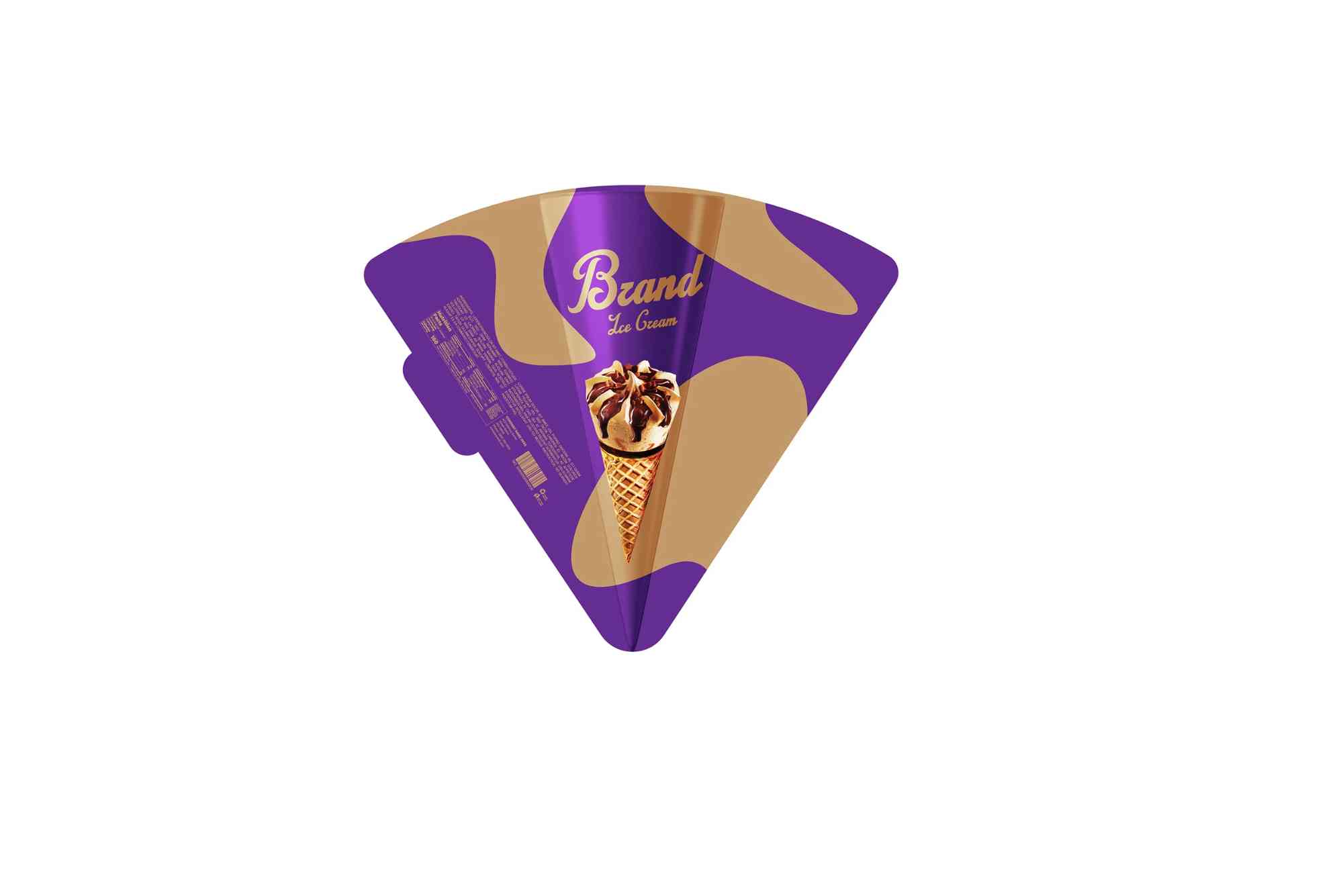
Consumer goods packaging design refers to the process of creating the exterior of a product, including material selection, structure, graphics, colours, and typography. It aims to protect the product while also communicating brand identity and value.
Packaging design must align with the target audience. For instance, luxury products often feature minimalistic and elegant packaging, while everyday goods focus on clarity and convenience. In both cases, the design should deliver a seamless customer experience. Additionally, packaging design impacts how a product performs on retail shelves or online platforms. A well-designed package can grab attention instantly, even in crowded marketplaces.
Why Consumer Goods Packaging Design Matters
Consumer goods packaging design directly affects purchasing decisions. Studies consistently show that consumers often choose products based on packaging alone. This makes design a powerful marketing tool. Firstly, packaging creates the first impression. If the design looks outdated or cluttered, customers may question the product’s quality. On the other hand, modern and clean packaging builds trust.
Secondly, packaging enhances brand recognition. Consistent colours, fonts, and logos help customers identify your product quickly. Over time, this familiarity builds loyalty. Furthermore, packaging communicates essential information. Ingredients, usage instructions, and benefits must be clear and easy to read. Good design ensures that information is accessible without overwhelming the consumer.

Key Elements of Effective Consumer Goods Packaging Design
Visual design is one of the most important aspects. Colours should reflect the brand personality and attract the target audience. Typography must be readable and consistent. Imagery should support the product’s message rather than distract from it. Material choice is equally important. Packaging materials must protect the product while aligning with sustainability goals. Many brands now opt for recyclable or biodegradable materials to meet consumer expectations.
Functionality also plays a major role. Packaging should be easy to open, store, and use. Poor functionality can frustrate customers and harm brand reputation. Lastly, brand storytelling adds emotional value. Packaging should communicate the brand’s mission, values, and uniqueness. This helps build a deeper connection with consumers.
The Role of Branding in Consumer Goods Packaging Design
Branding is at the heart of consumer goods packaging design. Every design decision should reflect the brand’s identity and positioning. For example, premium brands often use high-quality finishes such as embossing or foil stamping. These elements create a sense of luxury. In contrast, eco-friendly brands may use earthy tones and minimalistic designs to highlight sustainability.
Consistency across all packaging is essential. When customers recognise your product instantly, it strengthens brand recall. This is particularly important in competitive industries such as food, cosmetics, and household goods. Moreover, packaging should align with your overall marketing strategy. From social media to in-store displays, a unified brand image creates a stronger impact.
Trends Shaping Consumer Goods Packaging Design
Minimalism is another popular trend. Clean designs with fewer elements make products appear modern and premium. This approach also improves readability and user experience. Personalisation is gaining traction as well. Brands are creating customised packaging experiences to engage customers on a deeper level. This can include personalised messages or unique design variations.
Digital integration is also becoming more common. QR codes and augmented reality features allow consumers to interact with packaging in new ways. This enhances engagement and provides additional information. For creative ideas, exploring platforms that offer packaging design inspiration can help businesses discover innovative concepts and refine their approach.
How to Create Effective Consumer Goods Packaging Design
Creating impactful consumer goods packaging design requires a structured approach. It begins with understanding your target audience. Knowing their preferences, habits, and expectations will guide your design decisions. Next, define your brand identity clearly. Your packaging should reflect your brand’s personality and values consistently. This includes colours, fonts, and messaging. After that, focus on functionality. Ensure that your packaging protects the product and provides convenience for the user. Testing different prototypes can help identify potential issues.
Collaboration with professional designers is also essential. Experts can translate your vision into a practical and visually appealing design. If you are looking for tailored solutions, consider exploring Custom Packaging options that align with your specific needs. Additionally, gather feedback from real users. This can provide valuable insights and help refine your design before launching it in the market.
The Importance of Sustainability in Packaging Design
Sustainability is no longer optional in consumer goods packaging design. It has become a key factor influencing purchasing decisions. Consumers are increasingly aware of environmental issues. They prefer brands that demonstrate responsibility and transparency. Using recyclable or biodegradable materials can enhance your brand image.
Reducing packaging waste is another important step. This can involve minimising excess materials or designing compact packaging. Not only does this benefit the environment, but it also reduces costs. Moreover, sustainable packaging can serve as a unique selling point. Highlighting eco-friendly practices on your packaging can attract environmentally conscious consumers.
Challenges in Consumer Goods Packaging Design
Despite its importance, consumer goods packaging design comes with several challenges. Balancing aesthetics, functionality, and cost can be difficult. One common challenge is standing out in a crowded market. With countless products competing for attention, creating a unique design requires creativity and strategic thinking. Another challenge is meeting regulatory requirements. Packaging must comply with industry standards and include accurate information. This can vary depending on the product type and region.
Cost management is also a concern. High-quality materials and advanced design features can increase production costs. Businesses must find a balance between quality and affordability. Lastly, keeping up with trends can be demanding. What works today may become outdated quickly. Continuous innovation is necessary to stay relevant.
How Packaging Influences Consumer Behaviour
Colour psychology plays a significant role. Different colours evoke different emotions and associations. For example, green often represents sustainability, while black conveys luxury. Packaging also affects perceived value. Premium packaging can justify higher prices, while simple packaging may suggest affordability.
Furthermore, convenience influences repeat purchases. If packaging is easy to use and store, customers are more likely to buy the product again. Location and accessibility also matter. Businesses looking to improve distribution and visibility can benefit from understanding their logistics and presence, such as reviewing Buddy Packaging Location to enhance accessibility strategies.
Future of Consumer Goods Packaging Design
Smart packaging is expected to grow significantly. Features such as temperature indicators and freshness sensors can improve product safety and quality. Sustainability will remain a top priority. Brands will continue to explore new materials and processes to reduce environmental impact.
Personalisation and customisation will also expand. Consumers increasingly value unique experiences, and packaging will play a key role in delivering them. Moreover, digital integration will enhance interaction. Packaging will become a gateway to online content, offering a more immersive experience.
Conclusion
Consumer goods packaging design is a powerful tool that influences branding, customer perception, and sales. From visual appeal to functionality and sustainability, every aspect of packaging plays a crucial role in shaping the consumer experience.
Clamshell packaging design plays a vital role in protecting products while enhancing shelf appeal and customer experience. Businesses often use durable, transparent materials to showcase items effectively. For better SEO and navigation, you can use clamshell packaging design ka anchor text to insert link below here, helping users easily explore related internal content and improve website structure.
FAQs
What is consumer goods packaging design?
Consumer goods packaging design is the process of creating product packaging that protects items while communicating brand identity and value to consumers.
Why is packaging design important for consumer goods?
Packaging design influences purchasing decisions, enhances brand recognition, and improves the overall customer experience.
How can packaging design increase sales?
Attractive and functional packaging captures attention, builds trust, and encourages repeat purchases, ultimately boosting sales.
What are the latest trends in packaging design?
Key trends include sustainability, minimalism, personalisation, and digital integration such as QR codes and smart packaging.
