Building a product-based business today is exciting, but it also comes with a steep learning curve. One of the biggest challenges new founders and established retailers face is finding reliable wholesale suppliers who can deliver quality goods at the right price, on time, and at scale. Whether you sell cosmetics, food products, beverages, or handmade goods, your success is closely tied to the strength of your supply chain and the quality of the packaging that carries your products into your customers’ hands. In this guide, we’ll walk through everything you need to know about wholesale sourcing, B2B directories, importing, and bulk ordering — and how smart packaging decisions tie it all together.
Understanding Wholesale Suppliers and Why They Matter
A wholesale supplier is a business that sells products in large quantities at discounted prices, usually to retailers, e-commerce sellers, or other businesses rather than directly to consumers. Buying wholesale allows you to lower your per-unit cost, improve your profit margins, and keep enough stock on hand to meet customer demand. For any brand that plans to grow, working with dependable wholesale suppliers is not optional — it is the backbone of a sustainable operation.
The relationship you build with a supplier goes far beyond price. Reliability, consistency, minimum order quantities (MOQs), lead times, and communication all play a role in whether a supplier is right for your business. A cheap price means very little if shipments arrive late, quality is inconsistent, or the supplier disappears when you need support.
Think of your suppliers as an extension of your own company. When they perform well, your customers receive their orders on time and in perfect condition. When they underperform, your brand takes the blame — even though the problem started upstream. That is why choosing the right sourcing partners deserves the same care you would give to hiring a key employee. The best buyers treat sourcing as an ongoing process of evaluation, negotiation, and relationship-building rather than a one-time purchase.
It also helps to think about the full lifecycle of a product before you commit. Where will it be stored? How will it be shipped? What packaging will protect it in transit? A supplier who understands these questions and can support you across the whole journey is far more valuable than one who simply quotes the lowest unit price and leaves the rest to you.
Types of Wholesale Suppliers
Not every supplier operates the same way. Understanding the main categories helps you choose the right partner for your product sourcing needs:
- Manufacturers: They produce goods directly and often offer the lowest prices, though they usually require higher minimum orders.
- Distributors and importers: They buy in bulk from manufacturers and resell to smaller businesses, offering more flexible quantities.
- Wholesalers: They stock a wide range of products from many manufacturers, making them ideal for retailers who need variety.
- Dropshippers: They ship products directly to your customers on your behalf, removing the need to hold inventory.
Each type suits a different stage of business. A brand-new store with limited capital might begin with a wholesaler or dropshipper to keep risk low, then move to distributors and eventually manufacturers as order volumes grow. There is no single “correct” supplier type — the right choice depends on your budget, your storage capacity, and how much control you want over quality and branding.
How to Evaluate a Supplier Before You Commit
Before signing any agreement, do your homework. Ask for references, request a physical sample, and confirm that the supplier holds the certifications relevant to your industry. Look closely at their response time during your first conversations — slow or vague replies before you’ve even placed an order often signal how they will behave once you’re a paying customer.
It is also wise to run a small trial order first. A test batch reveals real-world quality, packaging condition on arrival, and how accurately the supplier meets deadlines. This modest investment protects you from committing thousands of pounds to a partner who cannot deliver on their promises.
Using Wholesale Directories to Find Trusted Suppliers
One of the fastest ways to connect with vetted suppliers is through a wholesale directory. These directories act as searchable databases of manufacturers, distributors, and B2B sellers across countless product categories. Instead of cold-emailing dozens of unknown companies, you can browse verified listings, compare options, and reach out to suppliers who already work with businesses like yours.
A well-maintained resource such as the Wholesale Directory can save you hours of research by putting trustworthy suppliers, product categories, and sourcing tools in one convenient place. Using a directory also reduces your risk, because listed suppliers are often screened before being included — helping you avoid scams and low-quality vendors that are common when sourcing blindly online.
Directories are especially useful when you are entering a new product category and don’t yet know the major players. Rather than guessing which manufacturers are credible, you can browse curated lists, filter by location or product type, and shortlist a handful of options to contact. This structured approach turns an overwhelming task into a manageable, repeatable process — something that becomes invaluable as your product range expands.
What to Look for in a Directory Listing
When you evaluate a supplier from any directory, look beyond the headline price. Check their minimum order quantities, shipping terms, product certifications, sample availability, and customer reviews. A supplier that offers samples and clear documentation is usually far more reliable than one that avoids answering detailed questions.
Pay attention to how long a supplier has been listed and whether their contact details are complete and verifiable. Established listings with a track record tend to be safer than brand-new profiles with little history. And whenever possible, cross-check a supplier’s reputation on independent review sites before you reach out — a few minutes of research can save you from a costly mistake.
B2B Sourcing and Importing: What You Need to Know
B2B (business-to-business) sourcing simply means buying products or materials from another business to sell or use in your own. When you scale, sourcing may involve importing goods from overseas suppliers, which can dramatically reduce costs but also introduces new considerations such as customs duties, shipping timelines, and quality control.
Before importing, always confirm the total landed cost — the full price of a product once shipping, taxes, and customs fees are included. A product that looks cheap at the factory gate can become expensive once these hidden costs are added. Request samples, verify certifications, and start with a smaller test order before committing to large volumes.
Importing also demands patience and clear paperwork. Shipping times from overseas can stretch to several weeks, and delays at customs are common if documentation is incomplete. Keep detailed records of every invoice, certificate, and shipping document, and build a comfortable buffer into your timelines so a slow shipment never leaves your shelves empty during peak season.
Domestic vs Overseas Sourcing
Both domestic and overseas sourcing have their place. Local suppliers usually offer faster delivery, easier communication, and simpler returns, which is ideal when speed and flexibility matter most. Overseas suppliers often provide lower prices and a wider range of products, but with longer lead times and more complexity. Many successful brands use a blend of both — sourcing fast-moving essentials locally while importing specialised or cost-sensitive items from abroad.
Building Strong Supplier Relationships
Great sourcing is about partnership, not just transactions. Communicate clearly, pay on time, and treat your suppliers as long-term collaborators. Over time, strong relationships often lead to better pricing, priority production slots, and flexible terms — advantages that give your brand a real competitive edge.
Bulk Product Ordering: Balancing Cost and Cash Flow
Ordering in bulk is one of the most effective ways to lower costs, but it must be balanced against cash flow and storage. Buying too much too soon can tie up your capital and leave you with slow-moving inventory, while ordering too little may mean higher per-unit prices and frequent restocking.
The key is to forecast demand realistically. Review your sales history, factor in seasonality, and order quantities that match your actual selling pace. Many growing brands start with moderate orders and gradually increase volume as demand becomes predictable.
Negotiation matters too. As your order sizes grow, you gain leverage to ask for better pricing, longer payment terms, or free samples. Suppliers value dependable, repeat customers, so a polite but confident conversation about volume discounts can meaningfully improve your margins over time. Just remember that the lowest price is not always the best deal — consistency and reliability are worth paying a little more for.
Managing Inventory Wisely
Bulk buying only pays off if you manage your stock well. Use simple inventory tools to track what sells fastest, set reorder points so popular items never run out, and clear slow-moving products before they tie up too much capital. Good inventory discipline keeps your cash flow healthy and ensures that the savings you gained from buying in bulk actually reach your bottom line.
Why Packaging Is a Critical Part of Sourcing?
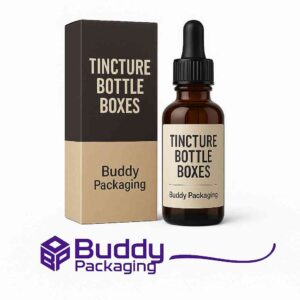
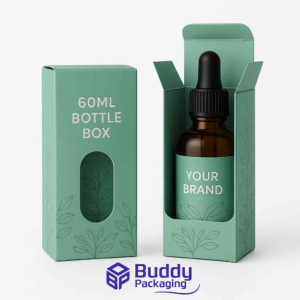
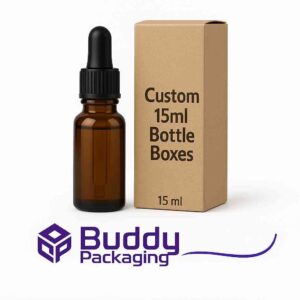
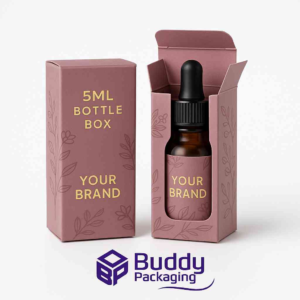
Sourcing great products is only half the battle — how you present them determines whether customers remember your brand. Packaging protects your goods during shipping, communicates your identity, and shapes the all-important first impression. When you buy in bulk, ordering the right custom packaging design alongside your products ensures a consistent, professional look across your entire range.
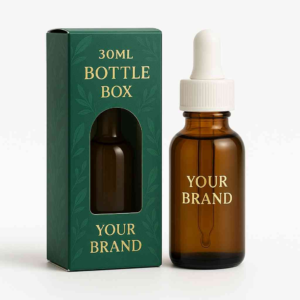
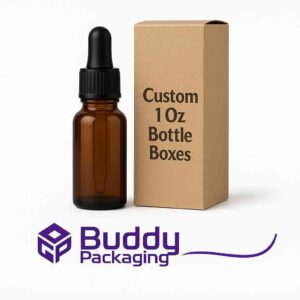
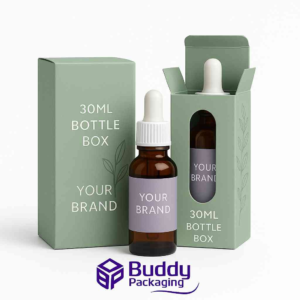
Different products call for different packaging solutions. If you sell food items, thoughtful packaging design ideas for food can help your products stand out on crowded shelves, while brands in the drinks industry benefit from specialised beverage packaging design. For those sourcing bottled products, well-planned box packaging design keeps fragile items safe from the warehouse to the customer’s door.
Custom Boxes for Bulk and Wholesale Orders
When you order products at scale, matching them with durable, branded boxes makes a huge difference. Reliable cardboard box packaging design offers strength and sustainability, and a clear understanding of the impact of custom packaging box design on consumer perception can turn everyday shipments into memorable brand moments. Small businesses in particular can gain a lot from the benefits of custom printed folding cartons, which combine affordability with a premium feel.
Branding Through Design and Print
Your packaging is a marketing tool. Investing in strong branding and packaging design helps your products look cohesive and trustworthy, while working with an experienced packaging design company ensures the finished result reflects your brand values. From printing design to eco-friendly materials, the right choices help you compete confidently in any market.
For inspiration, it is worth studying examples of great packaging design and browsing fresh packaging design inspiration before you finalise your look. Partnering with a dedicated packaging design agency can help translate those ideas into a finished product that photographs well online and feels premium in the customer’s hands.
Sustainable Packaging for Wholesale Buyers
Sustainability is no longer optional — today’s customers actively look for brands that reduce waste. Choosing eco-friendly custom boxes for your bulk orders signals that your brand cares about the planet, and it often appeals to retailers and marketplaces that prioritise green suppliers. When you source in volume, building sustainability into your packaging from the start is far easier than retrofitting it later.
Scaling Your Sourcing Strategy as You Grow
The sourcing approach that works when you’re shipping ten orders a week will not necessarily work when you’re shipping a thousand. As your business grows, your supply chain needs to grow with it. This means diversifying your supplier base, tightening your quality-control processes, and planning your packaging and inventory further in advance.
One of the smartest moves a growing brand can make is to secure a reliable backup supplier for every critical product. If your main supplier runs into a shortage, a strike, or a shipping delay, a second source keeps your shelves stocked and your customers happy. Redundancy may feel like an unnecessary expense when everything is running smoothly, but it becomes priceless the moment something goes wrong.
Equally, as volumes rise, invest in consistent branded packaging so your growth looks intentional rather than chaotic. A cohesive cardboard packaging design across every product line reassures customers that they are dealing with a professional, established brand — which in turn supports higher prices and stronger loyalty.
A Quick Sourcing Checklist
Before you place any wholesale order, run through this simple checklist to protect your investment:
- Have I requested and approved a physical sample? Never buy in bulk from a product you haven’t held in your hands.
- Do I understand the full landed cost? Include shipping, duties, taxes, and packaging.
- Is the MOQ realistic for my budget and storage? Don’t overcommit on your first order.
- Do I have branded packaging ready? Products and packaging should arrive together, not weeks apart.
- Is there a backup supplier available? Protect yourself against delays and shortages.
Common Mistakes to Avoid When Sourcing Wholesale
Even experienced buyers make avoidable errors. Being aware of the most common pitfalls will help you protect your margins and your reputation:
- Skipping samples: Always test product quality before placing a large order.
- Ignoring MOQs: Make sure minimum order quantities fit your budget and storage.
- Overlooking hidden costs: Shipping, duties, and packaging all affect your true cost.
- Relying on a single supplier: A backup source protects you from delays and shortages.
- Neglecting packaging: Poor packaging damages products and weakens your brand.
Frequently Asked Questions
How do I find reliable wholesale suppliers?
Start with a reputable wholesale directory, request samples, check reviews and certifications, and begin with a small test order before scaling up. Verified directories reduce your risk by pre-screening suppliers.
What is the difference between a wholesaler and a manufacturer?
A manufacturer produces goods directly and usually offers lower prices with higher minimums, while a wholesaler stocks products from many manufacturers, giving retailers more variety and flexibility.
Does packaging really affect sales?
Yes. Packaging shapes first impressions, protects products, and communicates brand quality. Investing in custom packaging alongside your wholesale orders can noticeably improve customer perception and repeat purchases.
Final Thoughts
Finding the right wholesale suppliers, using trusted B2B directories, and mastering bulk ordering are essential steps for any brand that wants to grow profitably. But sourcing quality products is only part of the journey — the way you package and present them is what turns first-time buyers into loyal customers. By combining smart sourcing with professional packaging design, you give your business the foundation it needs to stand out, scale up, and succeed in a competitive marketplace.