Introduction
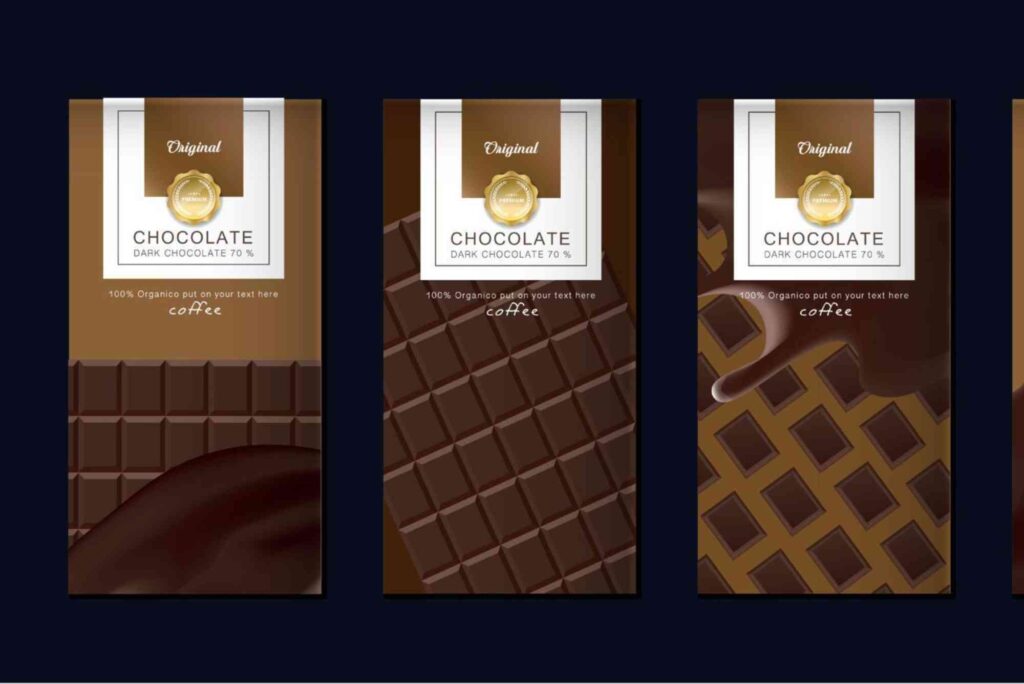
A well-crafted chocolate packaging design template is more than just a wrapper. It is the first impression your product makes. In a competitive market, packaging can influence buying decisions within seconds. Therefore, creating a visually appealing and functional design is essential for any chocolate brand aiming to stand out.
This guide explores how to design an effective chocolate packaging template. It covers structure, creativity, branding, and practical techniques. Whether you are a startup or an established brand, these insights will help you create packaging that attracts and converts.
Why Chocolate Packaging Design Matters
Chocolate is often associated with emotions like happiness and indulgence. Packaging must reflect these feelings. A strong chocolate packaging design template helps communicate quality and brand identity instantly.
Good packaging protects the product and enhances shelf appeal. It also builds trust with customers. When people see professional packaging, they assume the product inside is premium. As a result, they are more likely to choose your chocolate over others.
Moreover, packaging plays a key role in marketing. It tells your story without words. Colours, textures, and typography all contribute to brand recognition. Over time, customers begin to associate these elements with your brand.
Elements of an Effective Chocolate Packaging Design Template
Visual Appeal and Colour Psychology
Colour is one of the most powerful design tools. For chocolate packaging, rich tones like brown, gold, and burgundy work well. These colours suggest luxury and indulgence. However, modern brands also experiment with pastel or vibrant shades to target younger audiences.
Consistency is important. Your chocolate packaging design template should use a colour palette that aligns with your brand identity. This helps customers recognise your product easily.
Typography and Branding
Fonts communicate personality. Elegant serif fonts suggest tradition and luxury. On the other hand, sans-serif fonts feel modern and clean. Choose typography that reflects your brand values.
Your logo should be clearly visible. It should not overpower the design but remain memorable. A balanced layout ensures all elements work together harmoniously.
Material Selection
Packaging material affects both appearance and functionality. Common options include cardboard, foil, and kraft paper. Each material offers a different feel.
Eco-friendly materials are increasingly popular. Many consumers prefer sustainable packaging. Using recyclable materials can enhance your brand image and attract conscious buyers.
Structure and Functionality
A chocolate packaging design template must be practical. It should protect the chocolate from heat and damage. Easy opening and resealing features improve user experience.
Different chocolate types require different packaging structures. For example, bars need slim wrappers, while gift boxes require sturdy designs. Always consider the product’s shape and size when designing.
Steps to Create a Chocolate Packaging Design Template
Research Your Target Audience
Understanding your audience is the first step. Are you targeting children, adults, or luxury buyers? Each group has different preferences.
For example, children’s packaging often uses bright colours and playful designs. Luxury packaging focuses on minimalism and elegance. Tailoring your design to your audience increases its effectiveness.
Develop a Brand Story
Your packaging should reflect your brand story. Are you promoting handmade chocolates or premium imported cocoa? This story should guide your design choices.
A clear narrative helps create emotional connections. Customers are more likely to buy from brands they relate to.
Sketch and Prototype
Before finalising your chocolate packaging design template, create rough sketches. This allows you to explore different ideas quickly.
Next, develop prototypes. Physical samples help you test the design in real-world conditions. You can identify issues and make improvements before mass production.
Use Professional Design Tools
Modern design tools make the process easier. Software like Adobe Illustrator or Canva allows you to create precise layouts. These tools also offer templates that can speed up your workflow.
If you lack design skills, consider hiring a professional. Investing in quality design can significantly impact your brand’s success.
Trends in Chocolate Packaging Design
Minimalist Designs
Minimalism is a growing trend. Clean layouts with simple colours create a premium feel. This approach focuses on quality rather than clutter.
Many high-end brands use minimalist packaging to highlight their product. It conveys sophistication and confidence.
Sustainable Packaging
Sustainability is no longer optional. Consumers expect brands to reduce environmental impact. Using biodegradable materials can improve brand perception.
A sustainable chocolate packaging design template also aligns with global trends. It shows your brand cares about the planet.
Personalised Packaging
Personalisation adds a unique touch. Custom messages or names make the product more special. This is especially popular for gifts.
Brands can offer personalised options to increase customer engagement. It also encourages repeat purchases.
Common Mistakes to Avoid
One common mistake is overcomplicating the design. Too many elements can confuse customers. Keep your layout clean and focused.
Another issue is ignoring functionality. A beautiful design is useless if it does not protect the product. Always balance aesthetics with practicality.
Inconsistent branding is also a problem. Your packaging should match your overall brand identity. This includes colours, fonts, and messaging.
Enhancing Your Packaging Strategy
To improve your packaging, consider integrating professional services. For instance, exploring Custom Packaging solutions can help you create unique designs tailored to your brand needs. This approach ensures your packaging stands out in a crowded market.
Additionally, learning from expert resources is valuable. Following reliable packaging design tips can refine your approach and keep your designs up to date with industry standards.
Benefits of Using a Chocolate Packaging Design Template
A template saves time and ensures consistency. It allows you to maintain a uniform look across different products. This strengthens brand recognition.
Templates also simplify the design process. You can reuse and modify them as needed. This is especially useful for seasonal or limited-edition products.
Moreover, a well-designed template improves efficiency. It reduces errors during production and ensures accurate printing.
How Packaging Influences Buying Decisions
Packaging plays a psychological role in purchasing behaviour. Attractive designs create a sense of trust and quality. Customers often judge products based on appearance.
A strong chocolate packaging design template can trigger impulse purchases. Eye-catching designs grab attention and encourage buyers to pick up the product.
In addition, packaging communicates value. Premium packaging can justify higher prices. Customers are willing to pay more for products that look luxurious.
Conclusion
A thoughtful chocolate packaging design template is essential for building a successful chocolate brand. It combines creativity, functionality, and strategy. From colour choices to material selection, every detail matters.
By understanding your audience and following design principles, you can create packaging that stands out. Moreover, staying updated with trends ensures your brand remains relevant.
If you want to elevate your chocolate brand, now is the time to invest in professional packaging design. Start creating templates that reflect your brand identity and attract customers.
FAQs
What is a chocolate packaging design template?
A chocolate packaging design template is a pre-designed layout used to create consistent and attractive packaging for chocolate products.
Why is packaging important for chocolate products?
Packaging protects the product and influences customer perception. It also helps build brand identity and attract buyers.
What materials are best for chocolate packaging?
Common materials include cardboard, foil, and eco-friendly paper. The choice depends on your brand and product type.
How can I make my chocolate packaging stand out?
Use unique colours, clear branding, and high-quality materials. Focus on simplicity and creativity for better impact.
Can I create a chocolate packaging design template myself?
Yes, you can use design tools or hire professionals. Templates make the process easier and ensure consistency.
Consumer Packaging Design plays a vital role in shaping how customers perceive and connect with a product. It combines creativity, functionality, and brand identity to deliver an appealing and practical solution. From sustainable materials to eye-catching visuals, effective packaging ensures products stand out on shelves while protecting their contents. Investing in thoughtful design helps build trust, improve user experience, and strengthen brand recognition in competitive markets.