Introduction
Back packaging design plays a critical role in how customers perceive and understand a product. While the front grabs attention, the back delivers essential information that influences buying decisions. A well-crafted back packaging design builds trust, communicates value, and enhances the overall brand experience.
In today’s competitive retail landscape, brands cannot afford to overlook this space. Every inch matters. From ingredients and instructions to storytelling and compliance, the back of your packaging must be clear, engaging, and strategic.
Why Back Packaging Design Matters
Back packaging design is not just about filling space. It is about communication. Customers often turn the product around before making a purchase. They want details, reassurance, and clarity.
Firstly, it helps customers understand what they are buying. Clear instructions and transparent information reduce confusion. Secondly, it builds credibility. A clean and professional design signals quality. Lastly, it supports branding. Consistent tone and visuals reinforce your identity.
In short, a strong back packaging design can turn interest into action.
Key Elements of Effective Back Packaging Design
Designing the back of a package requires balance. You must include important details without overwhelming the reader.
Product Information
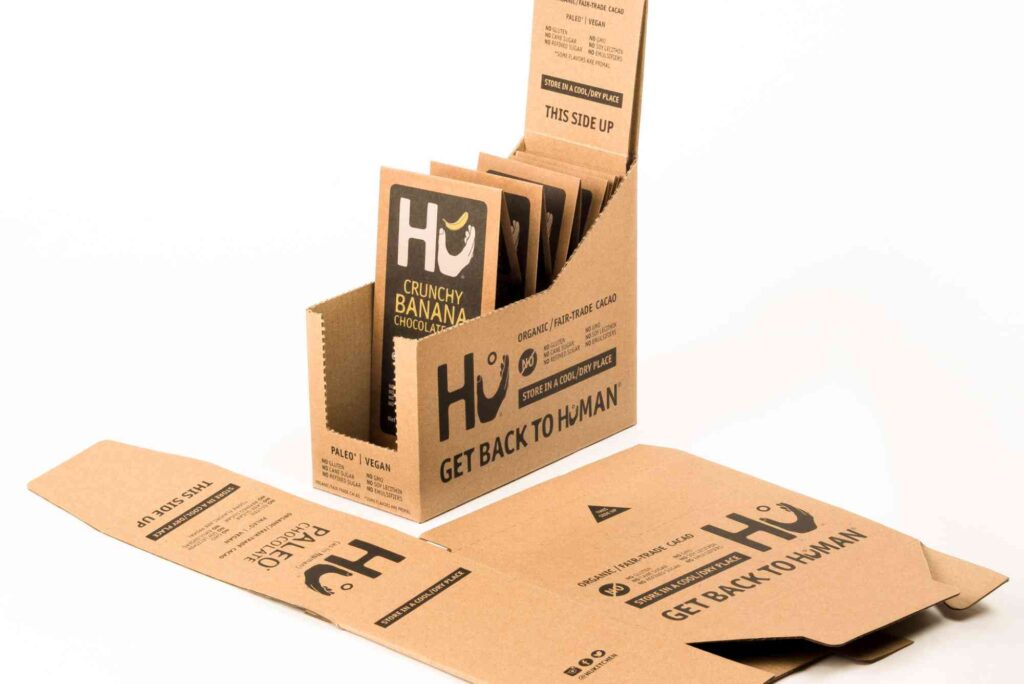
Customers expect accurate and easy-to-read product details. This includes ingredients, materials, or specifications. Use simple language and avoid jargon. Bullet points can help, but keep them concise.
Instructions for Use
Clear instructions improve user experience. Whether it is a skincare product or a food item, guide the customer step by step. Use short sentences and logical order.
Brand Story and Message
This is your chance to connect emotionally. Share a brief story or mission. Keep it authentic and aligned with your brand voice.
Legal and Compliance Information
Every product must meet regulatory requirements. Include barcodes, safety warnings, and certifications. Ensure everything is correctly placed and readable.
Contact and Support Details
Provide a website, email, or helpline. Customers value easy access to support. This also boosts trust.
Best Practices for Back Packaging Design
Creating an effective back packaging design involves more than placing text. It requires strategy and creativity.
Prioritise Readability
Always choose legible fonts. Avoid overly decorative styles. Maintain a clear hierarchy using headings and spacing.
Use White Space Wisely
Do not overcrowd the design. White space improves readability and gives a clean look. It helps important information stand out.
Maintain Visual Consistency
Your back design should match the front. Use the same colour palette, fonts, and tone. This ensures brand consistency.
Focus on Scannability
Many customers scan rather than read. Use headings, icons, and short paragraphs. Highlight key points.
Optimise for Printing
Colours and layouts may look different in print. Always test your design. Ensure text is not too small and colours remain clear.
The Role of Typography in Back Packaging Design
Typography can make or break your back packaging design. It affects readability and perception.
Choose fonts that align with your brand. For example, a luxury product may use elegant serif fonts. A modern product may prefer clean sans-serif styles. Line spacing and font size are equally important. Keep text easy to read even from a distance. Avoid long blocks of text. Instead, break content into smaller sections.
Colour Psychology in Back Packaging Design
Colours influence emotions and decisions. Even on the back of packaging, they matter.
Use colours that complement the front design. Soft tones can create a calm feel. Bright colours can highlight key information. However, contrast is crucial. Ensure text stands out from the background. Poor contrast reduces readability and frustrates users.
Sustainability and Back Packaging Design
Modern consumers care about sustainability. Your back packaging design should reflect this.
Include information about recyclable materials or eco-friendly practices. Use symbols and simple explanations. This not only informs but also builds trust. Brands that communicate sustainability clearly often gain customer loyalty.
Digital Integration in Back Packaging Design
Technology is changing packaging design. QR codes and smart labels are becoming common.
A QR code can link to videos, instructions, or product stories. This saves space on the packaging while offering more value. Digital elements make your back packaging design interactive and engaging.
Common Mistakes to Avoid
Many brands make simple errors that reduce the effectiveness of their back packaging design.
Overloading the design with text is a major issue. Customers feel overwhelmed and may ignore important details. Another mistake is poor font choice. Hard-to-read text drives users away. Inconsistent branding is also a problem. The back should not feel disconnected from the front. Lastly, ignoring legal requirements can lead to serious consequences.
How Back Packaging Design Impacts Sales
Back packaging design directly affects buying decisions. When customers trust the information, they feel confident purchasing.
Clear instructions reduce product returns. Transparent details increase credibility. A well-designed layout keeps customers engaged. In retail, even small improvements in design can lead to higher conversions.
Working with Professionals
Designing effective packaging requires expertise. Many brands choose professional services for better results.
For example, investing in Custom Packaging can help create designs tailored to your brand needs. Experts understand layout, printing, and compliance. You can explore professional solutions here:
Additionally, staying updated with industry trends is essential. Reviewing expert packaging design tips can improve your approach. Visit: If you want to connect with a trusted provider, check the Buddy Packaging Location here:
Future Trends in Back Packaging Design
The future of back packaging design is evolving rapidly. Brands are focusing more on personalisation and minimalism.
Smart packaging will become more common. Consumers will expect digital interaction. At the same time, sustainability will remain a key focus. Minimal designs with clear messaging will dominate. Customers prefer simplicity and transparency.
Conclusion
Back packaging design is a powerful tool that goes beyond aesthetics. It informs, engages, and builds trust. A well-designed back panel enhances user experience and strengthens brand identity. By focusing on clarity, consistency, and creativity, you can transform your packaging into a valuable marketing asset. Remember, customers do read the back. Make sure it speaks clearly and effectively.
Creating a strong visual identity starts with thoughtful aesthetic packaging design that captures attention and builds trust. Businesses that invest in creative packaging stand out in competitive markets while enhancing customer experience. Explore how smart design choices can elevate your brand and drive engagement through consistent, appealing presentation.
FAQs
What should be included in back packaging design?
Back packaging design should include product details, instructions, legal information, branding, and contact details.
Why is back packaging design important?
It helps customers understand the product, builds trust, and influences buying decisions.
How can I improve my back packaging design?
Focus on readability, clear layout, consistent branding, and concise information.
What are common mistakes in back packaging design?
Common mistakes include cluttered text, poor font choices, and lack of consistency.
Can back packaging design increase sales?
Yes, clear and engaging design improves customer confidence and boosts conversions.