Introduction
A strong printed portfolio still holds real power in a digital-first world. When you present carefully crafted graphic design printed portfolio examples, you show attention to detail, tactile quality, and professional confidence. Clients and employers often remember physical work more than screen-based designs. This guide explores how to create impressive graphic design printed portfolio examples that communicate your skills clearly and leave a lasting impression.
Why Printed Portfolios Still Matter
Even with online portfolios dominating, printed work adds credibility. It shows your ability to design for real-world applications. Many industries still rely on print, such as branding, editorial, and product packaging.
Printed portfolios create a sensory experience. The feel of paper, the quality of ink, and the layout all speak volumes. When you present strong graphic design printed portfolio examples, you demonstrate not just creativity but also production knowledge.
Moreover, printed portfolios reduce distractions. There are no notifications or tabs. The viewer focuses entirely on your work.
Key Elements of Effective Graphic Design Printed Portfolio Examples
To build impactful graphic design printed portfolio examples, you need more than good visuals. Structure, storytelling, and presentation all matter.
Clear Concept and Narrative
Every project should tell a story. Explain the problem, your process, and the outcome. This helps viewers understand your thinking, not just your visuals.
High-Quality Printing
Poor print quality can ruin even the best design. Use professional printing services and choose the right paper stock. Matte, gloss, or textured finishes can enhance your work.
Consistent Layout
Consistency makes your portfolio look polished. Use the same grid system, margins, and typography throughout. This creates a cohesive visual identity.
Strong Typography
Typography plays a key role in print. Ensure readability and hierarchy. Avoid overcrowding pages with too much text.
Balanced Content
Include a mix of projects. Show branding, editorial design, and packaging. This variety highlights your versatility.
Types of Graphic Design Printed Portfolio Examples
Different formats can help you present your work in unique ways. Choosing the right format depends on your style and audience.
Book-Style Portfolios
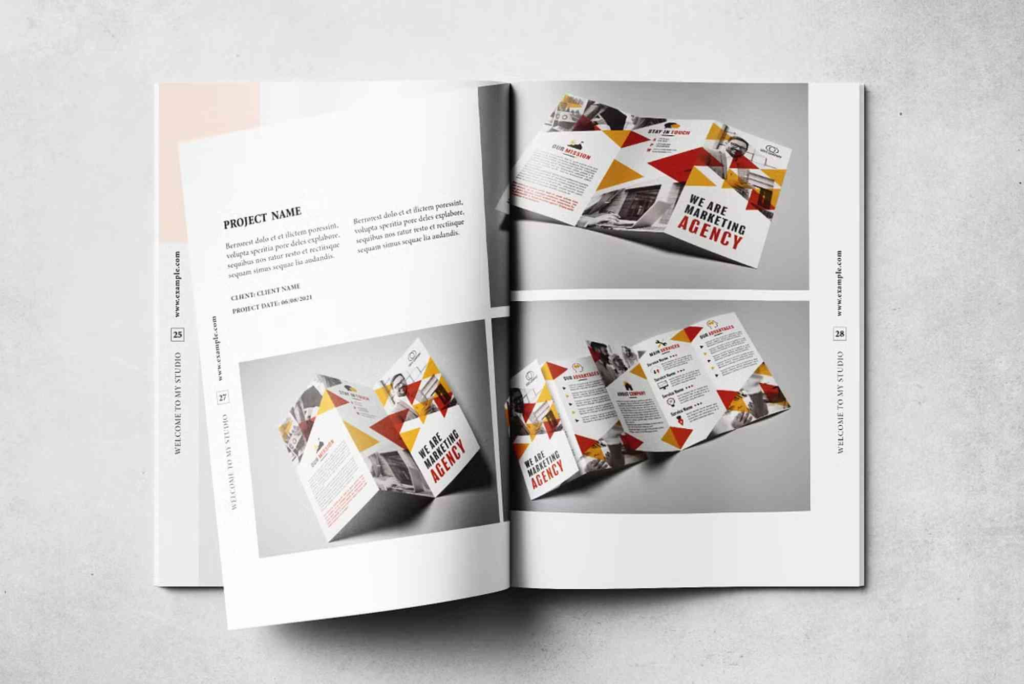
These are the most common. They resemble magazines or coffee table books. They work well for storytelling and detailed case studies.
Boxed Portfolio Sets
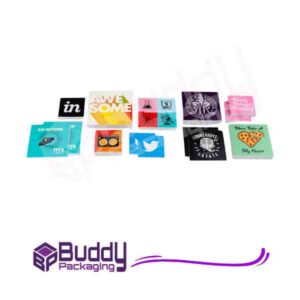
Some designers create boxed sets with separate prints or booklets. This format feels premium and interactive. It works especially well for branding projects.
Fold-Out Posters
Fold-out designs add a creative touch. They allow you to showcase large visuals without taking much space.
Minimalist Portfolios
Simple layouts with lots of white space can make your work stand out. This approach works well for modern and clean design styles.
Realistic Project Ideas for Printed Portfolios
If you lack client work, you can still create strong graphic design printed portfolio examples. Self-initiated projects can be just as powerful.
Branding Projects
Create a full brand identity. Include logo design, business cards, and stationery. Show how the brand works across different materials.
Editorial Design
Design a magazine or book layout. Focus on typography, spacing, and visual hierarchy.
Packaging Design
Packaging projects are perfect for print portfolios. They show your ability to design for physical products. For inspiration, explore Custom Packaging ideas and see how structure and branding combine.
Poster Series
Create a series of posters based on a theme. This shows your consistency and creativity.
How to Present Your Work Effectively
Presentation can elevate average work and make great work unforgettable.
Use Mockups Wisely
Mockups help viewers visualise real-world use. However, avoid overusing them. Include actual printed samples when possible.
Add Process Pages
Show sketches, drafts, and iterations. This demonstrates your problem-solving skills.
Keep Text Short
Use short descriptions. Focus on key points like objectives, challenges, and results.
Highlight Key Projects
Place your strongest work at the beginning and end. This creates a strong first and last impression.
Common Mistakes to Avoid
Many designers make simple mistakes that reduce the impact of their portfolios.
Overloading with Work
Too many projects can overwhelm viewers. Select only your best work.
Ignoring Print Details
Bleeds, margins, and colour profiles matter. Mistakes here can look unprofessional.
Poor Image Quality
Low-resolution images reduce credibility. Always use high-quality visuals.
Lack of Focus
A random collection of work feels disorganised. Stick to a clear theme or style.
Finding Packaging Design Inspiration
Packaging design plays a major role in many portfolios. It combines branding, structure, and user experience.
For fresh ideas, explore packaging design inspiration. This helps you understand trends, materials, and innovative concepts used by top designers.
Studying real-world examples improves your understanding of how design works beyond the screen.
How to Print Your Portfolio Professionally
Printing is a crucial step in creating high-quality graphic design printed portfolio examples.
Choose the Right Paper
Paper type affects how your designs look and feel. Thick, textured paper adds a premium touch.
Select the Best Binding
Options include perfect binding, saddle stitching, or spiral binding. Choose one that suits your style.
Test Before Final Printing
Always print a sample first. Check colours, alignment, and overall quality.
Work with Professionals
Professional printers ensure better results. They also help you choose the right materials.
Tips to Make Your Portfolio Stand Out
Standing out is essential in a competitive field. Small details can make a big difference.
Add Personal Branding
Include your logo, colour palette, and style. This creates a memorable identity.
Use Unique Formats
Experiment with sizes, folds, or materials. Creative formats attract attention.
Focus on Storytelling
Explain the purpose behind each project. This builds a deeper connection with viewers.
Keep Updating
Your portfolio should evolve with your skills. Replace older work with new projects.
The Role of Graphic Design Printed Portfolio Examples in Career Growth
A well-crafted portfolio can open doors. It helps you secure jobs, freelance projects, and collaborations.
Printed portfolios are especially useful during interviews and meetings. They allow you to present your work confidently.
They also show your commitment to your craft. Investing time and effort in printed work reflects professionalism.
Graphic design printed portfolio examples remain a powerful tool for showcasing creativity and expertise. They offer a tactile, focused experience that digital portfolios often lack. By combining strong design, clear storytelling, and high-quality printing, you can create a portfolio that truly stands out.
Whether you are a student or a professional, investing in a printed portfolio is worthwhile. Start building your collection today and present your work with confidence. A well-designed portfolio can make the difference between being noticed and being overlooked.
A well-executed packaging design project reflects creativity, functionality, and brand identity working together seamlessly. From selecting suitable materials to crafting visually appealing layouts, every element plays a vital role in attracting customers. Thoughtful packaging not only protects the product but also enhances its market appeal, making it a key factor in influencing purchasing decisions and building lasting brand recognition.
FAQs
What should be included in graphic design printed portfolio examples?
Include your best projects, case studies, and a brief explanation of each. Focus on quality over quantity.
How many projects should a printed portfolio have?
Aim for 6 to 10 strong projects. This keeps your portfolio focused and engaging.
What size is best for a printed portfolio?
A4 and A3 are popular choices. However, you can choose a size that suits your style and work.
Can I use student projects in my portfolio?
Yes, student projects are acceptable. Ensure they are well-executed and professionally presented.
How often should I update my portfolio?
Update it every few months or whenever you complete strong new work. This keeps your portfolio relevant and fresh.
Is a printed portfolio better than a digital one?
Both have value. A printed portfolio offers a tactile experience, while a digital one provides accessibility. Using both is ideal.