Introduction
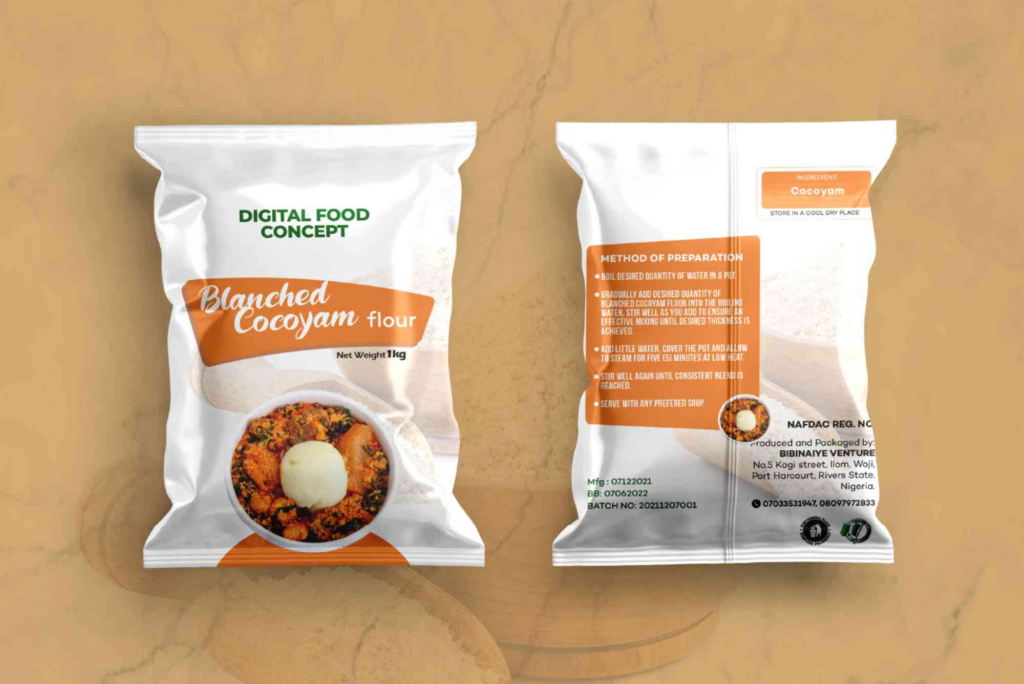
Packaging design food products is no longer just about wrapping food safely. It shapes trust, drives buying decisions, and defines how a brand feels in the hand. Walk into any supermarket, and packaging design food products compete for attention within seconds. Colour, texture, typography, and structure all work together to influence choice.
This article explains packaging design food products from a practical, expert perspective. It covers strategy, materials, compliance, sustainability, and branding. You will also see how smart packaging design food products improve shelf impact and long-term loyalty.
Why Packaging Design Food Products Matters More Than Ever
Packaging design food products directly affects consumer perception. People often judge food quality before tasting it. The packaging becomes the first promise of freshness, safety, and flavor.
In crowded markets, packaging design food products helps brands stand out. A clear message and strong visual identity reduce hesitation. Shoppers trust products that look professional and transparent.
Packaging design food products also protects food integrity. Structure, sealing, and materials prevent contamination and spoilage. Design and function must work together.
The Psychology Behind Packaging Design Food Products
Packaging design food products relies heavily on psychology. Colours trigger emotions and expectations. Green suggests freshness and health. Red signals energy and appetite.
Typography matters just as much. Clean fonts communicate clarity and safety. Handwritten styles suggest craft and authenticity. Packaging design food products must match brand personality.
Shape also influences perception. Rounded forms feel friendly and accessible. Sharp edges feel premium and precise. These subtle cues guide buying behavior.
Core Elements of Effective Packaging Design Food Products
Packaging design food products succeeds when visual and functional elements align. Every surface should serve a purpose.
Brand clarity comes first. Logos, names, and taglines must be visible at a glance. Confusion costs sales.
Information hierarchy matters. Ingredients, nutrition, and claims need logical placement. Packaging design food products must balance compliance and aesthetics.
Material choice defines experience. Matte finishes feel modern and sustainable. Glossy surfaces signal indulgence and freshness.
Material Choices in Packaging Design Food Products
Material selection is a critical decision in packaging design food products. It affects safety, shelf life, cost, and sustainability.
Paper-based packaging suits dry foods and snacks. It offers flexibility and strong branding surfaces. With coatings, it also improves moisture resistance.
Plastics remain common in packaging design food products due to durability. Modern designs focus on recyclable or mono-material plastics.
Glass communicates purity and premium quality. It works well for sauces and beverages. Weight and breakage remain challenges.
Metal packaging supports long shelf life. It protects against light and air. Packaging design food products using metal often signal reliability.
Sustainability and Packaging Design Food Products
Sustainability now defines competitive packaging design food products. Consumers expect brands to reduce waste and emissions.
Recyclable and compostable materials lead current trends. Clear labeling helps consumers dispose responsibly.
Lightweight packaging reduces transport emissions. Smart structural design achieves strength without excess material.
Refill and reuse systems are growing. Packaging design food products that support reuse build brand loyalty and trust.
Compliance and Safety in Packaging Design Food Products
Packaging design food products must meet strict regulations. Food safety laws govern materials, inks, and labeling.
Accurate ingredient lists protect consumers and brands. Mislabeling leads to fines and lost trust.
Tamper-evident features reassure buyers. Seals and closures show care and professionalism.
Packaging design food products must also consider allergens. Clear warnings prevent serious health risks.
Branding Through Packaging Design Food Products
Packaging design food products acts as a silent salesperson. It communicates brand values instantly.
Consistent colours and shapes improve recognition. Repeated exposure builds familiarity and confidence.
Storytelling enhances emotional connection. Short brand stories printed on packaging create authenticity.
Premium brands invest in tactile elements. Embossing and textures elevate perceived value.
Customisation and Flexibility in Modern Packaging
Customisation plays a major role in packaging design food products. Brands want flexibility for limited editions and seasonal flavors.
Digital printing enables short runs without high costs. This supports fast market testing.
Working with specialists offering Custom Packaging allows brands to tailor sizes, materials, and finishes. Custom solutions improve fit and reduce waste. You can explore options through Custom Packaging that align design with production needs.
Inspiration and Trend Awareness
Staying inspired is essential in packaging design food products. Trends evolve with consumer values and technology.
Minimalist designs remain popular. Clean layouts signal transparency and health.
Bold illustrations attract younger audiences. They add personality and memorability.
Global inspiration helps designers stay fresh. Many professionals explore packaging design inspiration from curated global showcases to understand what works across markets.
Structural Design and User Experience
Packaging design food products is not only visual. It must feel good to use.
Easy-open features reduce frustration. Resealable closures increase convenience and freshness.
Stackable shapes improve storage. This matters for both retailers and consumers.
Portion control packaging supports health-conscious buyers. Smart structure enhances usability.
Cost Efficiency in Packaging Design Food Products
Balancing cost and quality is essential. Packaging design food products must support margins.
Material optimization reduces expenses. Efficient layouts lower printing waste.
Standard sizes often reduce tooling costs. Custom shapes should justify their value.
Working with experienced suppliers prevents costly mistakes. Early design decisions affect production efficiency.
The Role of Location and Logistics
Location impacts packaging design food products through logistics and distribution.
Designs must survive transport conditions. Temperature and handling matter.
Local production reduces lead times. It also supports sustainability goals.
Understanding supplier location helps planning. Knowing the Buddy Packaging Location can support coordination, sampling, and faster turnaround.
Technology and Innovation in Packaging Design Food Products
Technology continues to reshape packaging design food products. Smart packaging adds new value.
QR codes provide traceability and storytelling. They connect physical packaging to digital experiences.
Freshness indicators improve safety. They help consumers trust product quality.
Augmented reality adds engagement. It transforms packaging into interactive media.
How Small Brands Compete with Smart Packaging
Packaging design food products levels the playing field for small brands. Design can outperform advertising budgets.
Clear positioning attracts niche audiences. Authentic visuals build trust.
Simple packaging often outperforms cluttered designs. Focus beats excess.
Small brands benefit from agile design updates. Rapid iteration keeps products relevant.
Packaging Design Food Products for E-Commerce
E-commerce changes packaging requirements. Packaging design food products must protect during shipping.
Durability becomes critical. Cushioning and sealing prevent damage.
Unboxing experience matters. Thoughtful design increases social sharing.
Clear labeling helps delivery and storage. Digital-first brands consider this early.
Common Mistakes in Packaging Design Food Products
Overdesign confuses buyers. Too many messages dilute impact.
Ignoring regulations risks recalls. Compliance must guide design.
Choosing style over function causes frustration. Packaging design food products must work first.
Inconsistent branding weakens recognition. Consistency builds memory.
Future Outlook for Packaging Design Food Products
The future of packaging design food products is adaptive and responsible. Brands will focus on circular systems.
Materials will become smarter and safer. Transparency will increase trust.
Designers will collaborate closely with engineers. Integration will improve efficiency.
Consumer expectations will keep rising. Packaging design food products must evolve continuously.
FAQs
What is the most important factor in packaging design food products?
Clarity is the most important factor. Consumers must understand the product instantly. Clear branding and information build trust and drive sales.
How does packaging design food products affect consumer buying decisions?
Packaging design food products influences perception within seconds. Visual appeal, colour, and structure trigger emotional responses that guide choices.
What materials are best for sustainable packaging design food products?
Paper-based, recyclable plastics, and compostable materials are popular. The best choice depends on product type, shelf life, and local recycling systems.
Why is compliance critical in packaging design food products?
Compliance ensures safety and legality. Accurate labeling and approved materials protect consumers and prevent costly penalties.
How often should brands update packaging design food products?
Updates depend on market changes and brand growth. Minor refreshes every few years help maintain relevance without losing recognition.
Building Success Through Packaging Design Food Products
Packaging design food products sits at the intersection of safety, branding, and experience. It protects food, tells a story, and earns trust. Brands that invest in thoughtful packaging design food products gain shelf presence and long-term loyalty.