Introduction
A packaging designer plays a vital role in how products are presented, protected, and perceived by customers. In today’s competitive retail and eCommerce landscape, packaging is no longer just a container. It is a powerful branding and communication tool. This detailed guide explains the complete packaging designer job description, including responsibilities, skills, qualifications, career paths, and industry expectations, written in clear UK English for employers and job seekers alike.
Packaging Designer Role
The packaging designer job description covers far more than creating attractive boxes. A packaging designer combines creativity, technical knowledge, and commercial awareness to design packaging that stands out while meeting practical requirements. They work closely with marketing teams, product developers, and manufacturers to ensure packaging is visually appealing, functional, cost-effective, and compliant with regulations.
In the UK market, packaging designers are in demand across industries such as food and drink, cosmetics, pharmaceuticals, retail, and consumer electronics. As sustainability and branding become priorities, the role continues to grow in importance.
What Does a Packaging Designer Do?
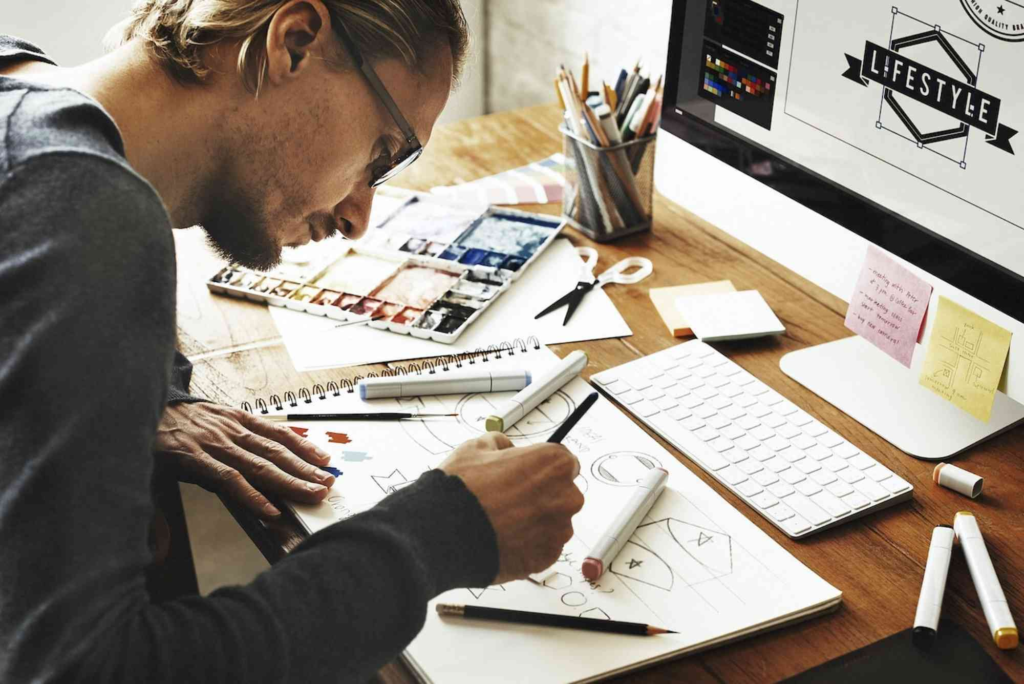
Understanding the packaging designer job description begins with daily responsibilities. A packaging designer develops concepts for packaging that reflect brand identity and appeal to target customers. They research competitors, consumer behaviour, and market trends before sketching ideas or creating digital designs.
Designers also select materials, colours, typography, and finishes that align with the brand message. They ensure packaging protects the product during transport and storage. This includes considering weight, durability, and environmental impact.
Another key part of the role involves collaboration. Packaging designers work with printers, suppliers, and manufacturers to turn concepts into physical packaging. They review samples, adjust designs, and manage revisions based on feedback. Meeting deadlines and budgets is essential in this role.
Core Responsibilities in a Packaging Designer Job Description
A typical packaging designer job description includes responsibility for concept development, from initial idea to final production. Designers produce mock-ups and prototypes to test functionality and visual impact. They prepare artwork files to industry standards, ensuring accuracy and print quality.
Compliance is another crucial duty. Packaging designers must follow UK and international regulations related to labelling, safety, and sustainability. This is especially important in food, medical, and cosmetic sectors.
Designers also support marketing goals. Packaging must communicate key product information clearly while reinforcing brand values. For companies offering Custom Packaging, such as bespoke boxes and branded solutions, the designer’s role becomes even more strategic. They help businesses differentiate through packaging that tells a compelling story. You can explore professional Custom Packaging solutions here: .
Essential Skills for a Packaging Designer
A strong packaging designer job description highlights a mix of creative and technical skills. Creativity is essential, but it must be balanced with problem-solving ability. Designers must think practically about how packaging will be used, shipped, and displayed.
Technical skills include proficiency in design software such as Adobe Illustrator, InDesign, and Photoshop. Knowledge of dielines, print processes, and material specifications is vital. Understanding colour management and finishes ensures designs translate well from screen to print.
Communication skills are equally important. Packaging designers must explain ideas clearly to clients and internal teams. They also need to accept feedback and adapt designs without losing the core concept.
Qualifications and Education Requirements
While there is no single path into this career, most packaging designers hold a degree in graphic design, product design, or packaging design. UK employers often value practical experience as much as formal education. A strong portfolio showcasing packaging projects can outweigh academic qualifications.
Some designers enter the field through apprenticeships or junior design roles. Continuous learning is important, as materials, sustainability standards, and consumer expectations evolve. Staying updated with industry resources and packaging design tips from trusted design platforms can help designers refine their skills. For inspiration and expert insights, visit .
Experience and Portfolio Expectations
Experience plays a major role in the packaging designer job description. Employers look for designers who understand real-world constraints such as budgets, production timelines, and supply chains. Experience working with printers or manufacturers is highly valued.
A professional portfolio should demonstrate a range of packaging styles and industries. It should show the design process, not just final visuals. Employers appreciate seeing how a designer approaches challenges, solves problems, and adapts designs based on feedback.
Tools and Technologies Used by Packaging Designers
Modern packaging designers rely on both digital and physical tools. Design software is essential for creating accurate artwork and mock-ups. Some designers also use 3D modelling tools to visualise packaging structures.
Knowledge of sustainable materials and printing technologies is increasingly important. Many UK companies prioritise eco-friendly packaging, so designers must understand recyclable materials, minimal packaging strategies, and environmental certifications.
Packaging Designer Salary in the UK
Salary expectations are often included in a packaging designer job description, especially for job seekers. In the UK, entry-level packaging designers typically earn between £22,000 and £28,000 per year. Mid-level designers with several years of experience can earn £30,000 to £40,000.
Senior packaging designers or design managers may earn £45,000 or more, depending on the industry and location. Freelance packaging designers may charge daily or project-based rates, which vary widely based on experience and complexity.
Career Path and Progression
A packaging designer role offers clear progression opportunities. Many designers start in junior roles before advancing to mid-level and senior positions. With experience, designers may specialise in areas such as sustainable packaging or luxury branding.
Some professionals move into creative director or packaging manager roles. Others choose freelance or consultancy careers, working with multiple brands. The skills gained in packaging design are also transferable to branding and product design roles.
Importance of Sustainability in Packaging Design
Sustainability is now central to the packaging designer job description. UK consumers and regulations demand environmentally responsible packaging. Designers must reduce waste, select sustainable materials, and design for recyclability.
This involves balancing aesthetics with environmental impact. Designers often work closely with suppliers to source innovative materials that meet sustainability goals without compromising quality.
Challenges Faced by Packaging Designers
Packaging design comes with unique challenges. Designers must balance creativity with practical limitations such as cost and production constraints. Tight deadlines and frequent revisions are common.
Another challenge is staying compliant with changing regulations. Designers must remain informed about labelling laws and sustainability standards. However, these challenges also make the role rewarding, as designers see their work directly impact product success.
Why Packaging Designers Are Essential to Brands
A strong packaging designer job description reflects the value designers bring to brands. Packaging influences purchasing decisions and brand perception. Well-designed packaging builds trust and recognition.
In crowded markets, packaging can be the deciding factor for consumers. Designers help brands stand out while communicating quality and purpose. This makes packaging designers strategic contributors, not just visual creators.
The packaging designer job description highlights a creative, technical, and commercially important role. Packaging designers shape how products are seen and experienced, making them essential to modern brands. From concept development to sustainable solutions, their work impacts sales, branding, and customer loyalty.
If you are an employer, investing in a skilled packaging designer can transform your product presentation. If you are a designer, building strong technical skills and a thoughtful portfolio will open doors across industries. Explore professional resources, refine your expertise, and take the next step in your packaging design journey today.
Frequently Asked Questions
What qualifications do you need to be a packaging designer?
Most packaging designers hold a degree in graphic or product design. However, a strong portfolio and practical experience are equally important in the UK job market.
Is packaging design a good career in the UK?
Yes, packaging design offers steady demand, creative satisfaction, and clear career progression. Sustainability trends have increased its importance.
What software do packaging designers use?
Packaging designers commonly use Adobe Illustrator, InDesign, and Photoshop. Some also use 3D modelling tools for visualisation.
How does packaging design differ from graphic design?
Packaging design focuses on structure, materials, and functionality, alongside visuals. Graphic design is broader and often digital-focused.
Can packaging designers work freelance?
Yes, many packaging designers work freelance or as consultants, offering services to multiple brands and agencies.