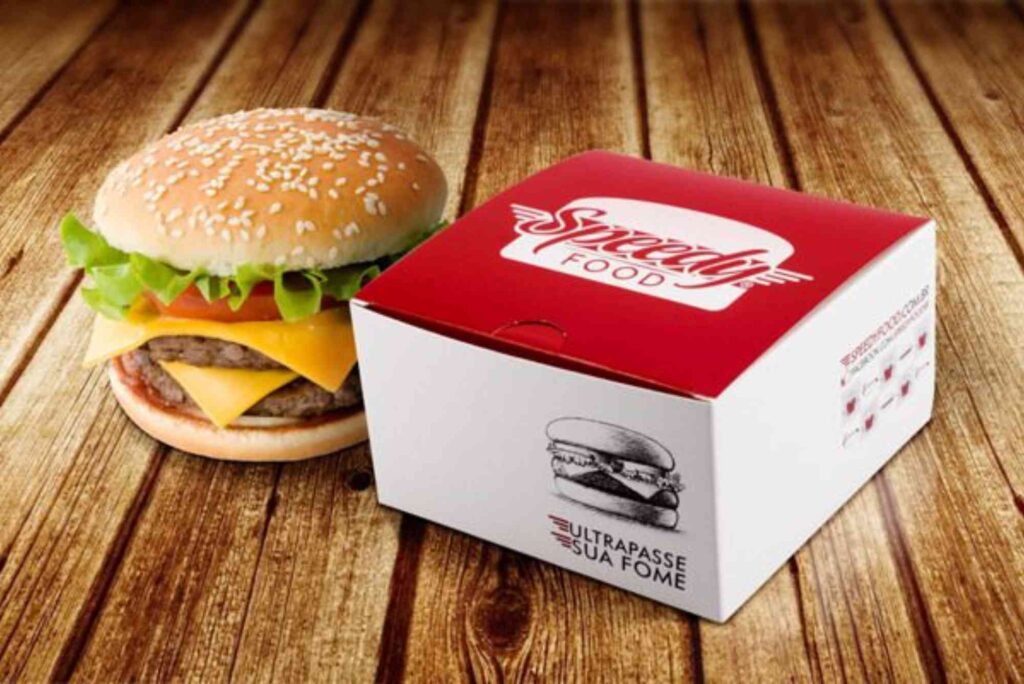
Burger box design has become one of the most powerful branding tools in today’s takeaway and delivery world. As competition rises and customer expectations shift, food businesses now rely on well-designed packaging to make a strong impression. Whether you run a small burger shop or a growing multi-location brand, understanding how to create impactful and practical packaging helps you stand out in a crowded market. A thoughtful burger box design does more than hold food. It protects the meal, conveys the brand’s personality, and improves customer experience from the first touch.
Even established brands, including those near fitness-focused areas such as Orange Theory Mountain View, recognise the value of using bold, memorable packaging to create instant recognition. When you combine visuals, structure, and sustainable materials, your burger box becomes an extension of your brand identity.
In this guide, you will learn how modern businesses use design, functionality, and storytelling to elevate their packaging. You will also discover practical insights you can apply to your own boxes, along with proven strategies for boosting brand presence and customer satisfaction.
Understanding the Purpose of Effective Burger Box Design
A well-crafted burger box design serves multiple roles. It protects the burger, prevents leaks, keeps heat, and delivers your branding message in a single moment. When customers open a box, they experience your brand before they even taste the food. This first impression shapes their perception of quality.
A successful design blends practicality and creativity. Every choice, from the cardboard thickness to the printed colours, influences the customer’s final experience. In the world of competitive takeaway dining, small details matter more than ever. Customers want packaging that feels intentional and polished rather than generic.
The focus keyword integrates naturally into these concepts, helping search engines understand the context while keeping the writing smooth and readable.
Why Burger Box Design Matters for Brand Identity
Strong branding creates emotional connections. Your packaging is one of the few physical touchpoints you share with your customers, especially in delivery-first markets. When your burger box design reflects your values, style, and quality, it sets you apart from countless competitors using plain boxes.
Every brand decision becomes visible through colours selection, typography, logo placement, and even the box’s structural shape. Many UK businesses experiment with bold themes, minimalist patterns, or hand-drawn illustrations to reflect their personality. These visual cues build recognition and drive repeat business.
A memorable design also improves your marketing reach. Customers often share attractive packaging on social media, turning your burger box into free advertising. Strong visuals encourage people to photograph their meals, which then sparks conversations and strengthens online presence.
How Material Choice Affects Burger Box Design
Material selection has a significant impact on performance and sustainability. Many brands now choose eco-friendly and compostable materials to meet modern consumer expectations. Customers appreciate packaging that feels sturdy while also reducing environmental impact.
The most reliable materials used include cardboard, kraft paper, and biodegradable fibres. These options offer heat retention and food safety while also allowing clean printing. The structure should keep the burger stable during transport. If the box collapses or soaks through, the customer experience quickly drops.
A premium feel often comes from texture as much as print. Smooth, natural, or slightly rugged surfaces create different visual impressions. When choosing materials, consider how the box will look in both dine-in and delivery scenarios. If your location serves a health-oriented community, such as those around Orange Theory Mountain View style neighbourhoods, eco-friendly packaging strengthens your brand message.
The Role of Shape and Structure in Burger Box Design
Beyond visuals, structural engineering plays an important role. A box must hold heat, protect toppings, and allow easy handling. While traditional clamshells remain popular, many brands now explore sturdier fold-top designs. These styles resist pressure during delivery and offer space for branding.
A strong structure also prevents sliding, squashing, and spilling. Customers expect their burgers to arrive looking the same as when they left the kitchen. Clean lines, proper ventilation, and secure locking tabs all help the meal stay fresh without becoming soggy.
Structural details also influence the unboxing moment. A smooth opening experience feels intentional. When customers encounter thoughtful design, they associate it with higher food quality.
Visual Elements That Shape a Strong Burger Box Design
Every visual decision adds meaning. Colours psychology, typography, and logo placement guide the customer’s emotional response. Warm colours create appetite, while deep tones convey premium quality. Many brands use bold colours blocks to catch the eye, while others prefer minimalist elegance.
Typography should be legible and distinctive. Whether you choose playful fonts or sharp modern lettering, consistency is key. A clear identity builds trust and memorability. High-resolution printing ensures the final product looks polished, not blurry or faded.
Some brands include short messages, illustrations, or even QR codes linking to menus or social pages. These small additions enhance user experience by providing information without overwhelming the design.
If you want to explore advanced design strategies, you can learn more through this resource on box design tips, which offers creative insights into crafting visually appealing packaging.
Heat Retention and Food Safety in Burger Box Design
Functionality must never be compromised. Customers associate warm, fresh burgers with quality. A good design keeps heat without trapping excessive moisture. Ventilation holes placed strategically prevent sogginess while maintaining warmth.
Food-safe inks and coatings ensure the packaging does not affect flavour. This detail is often overlooked, yet it has a major impact on customer satisfaction. Using certified food-grade materials demonstrates professionalism and care.
Your burger box design should balance insulation with breathability. This combination protects flavours, maintains textures, and ensures customers enjoy your food at its best.
Sustainable Packaging as a Key Burger Box Design Trend
Eco-friendly packaging is no longer optional. Modern consumers actively choose brands that demonstrate environmental responsibility. Choosing biodegradable materials, water-based inks, and recyclable structures enhances your reputation.
Sustainable designs also attract health-conscious customers who appreciate ethical business practices. Even simple choices like using kraft boxes or reducing excess material create a positive impression.
This trend continues to grow in the UK and globally, making it a vital part of long-term branding.
How Customisation Enhances Your Burger Box Design
Customisation transforms generic packaging into a powerful marketing asset. Tailored prints, personalised colours, and brand-centric structures create a cohesive identity. You can explore high-quality custom options through this internal resource: Custom Boxes.
Beyond appearances, customisation helps maintain consistent branding across locations. Whether you manage a single shop or multiple branches, unified packaging reinforces professionalism. It also introduces storytelling opportunities. You can include brand history, ingredient highlights, or commitment statements that build trust.
Digital Printing Techniques for Modern Burger Box Design
Advancements in digital printing give brands more flexibility. High-resolution imagery, gradient tones, and intricate patterns are now accessible even for small orders. This allows experimentation without committing to large print runs.
Digital printing reduces waste by delivering exact quantities. It also supports rapid rebranding or seasonal campaigns. Many businesses introduce special holiday boxes or limited editions that excite customers and encourage repeat purchases.
The key is ensuring that the final print quality matches your brand’s tone. Crisp edges, accurate colours, and smooth finishes elevate the entire dining experience.
Storytelling Through Your Burger Box Design
Every successful brand communicates a story, and your packaging is the perfect canvas. Whether you want to highlight local ingredients, cultural influences, or unique cooking methods, a brief message adds personality.
Storytelling builds trust and emotional connection. Customers feel more invested in your food when they understand the values behind it. Simple narratives printed on the box also enhance the perceived value of the meal.
When done correctly, storytelling strengthens brand loyalty and encourages positive reviews.
How Burger Box Design Impacts Customer Experience
The customer journey does not end at the point of sale. It continues when they open the box. A well-designed package elevates the unboxing moment, turning an ordinary meal into an enjoyable experience.
Clean edges, pleasant textures, and thoughtful graphics create a premium feel. Practicality matters, too. Easy-to-open tabs, secure closures, and grease resistance all improve satisfaction. These details encourage customers to choose your brand again, especially in competitive areas.
Even in fitness-driven communities similar to Orange Theory Mountain View areas, where people value nutritional and environmental choices, well-designed packaging leaves a strong impression.
Local Presence and Brand Visibility
Strong packaging becomes even more powerful when paired with local recognition. Businesses with physical locations benefit from adding contact information or QR codes to the design. This encourages customers to revisit or explore nearby branches.
If you operate within the UK and want customers to find you easily, consider including location details similar to this reference: Buddy Packaging Location. This helps build trust and makes your brand feel more accessible.
Frequently Asked Questions About Burger Box Design
What makes a good burger box design?
A good design blends structure, visual appeal, and practicality. It should protect the burger, maintain heat, reflect the brand identity, and offer a pleasant unboxing experience.
Which material is best for burger box packaging?
Cardboard and kraft paper are the most popular choices because they balance durability, heat retention, and sustainability. They also support clean, high-quality printing.
How can I make my burger box more eco-friendly?
Switching to biodegradable materials, using water-based inks, and reducing unnecessary packaging all contribute to a more sustainable design.
Why is custom packaging important for food brands?
Custom packaging builds brand recognition, elevates professionalism, and creates memorable dining experiences. It also allows businesses to communicate values or unique selling points directly on the box.
Does burger box design affect customer satisfaction?
Yes. Packaging influences perceptions of quality, freshness, and brand professionalism. A well-designed box enhances the overall meal experience from the moment customers receive it.
Elevate Your Brand Through Thoughtful Burger Box Design
Burger box design plays a crucial role in shaping customer perception, protecting food quality, and strengthening brand identity. When you invest in the right materials, colours, structures, and storytelling techniques, your packaging becomes more than a container. It transforms into a powerful marketing asset that sets you apart from competitors and builds long-term loyalty.