Packaging Design for Ecommerce: A Complete UK Guide for Modern Brands
In today’s competitive online marketplace, packaging design for ecommerce plays a critical role in shaping customer experience. It influences brand perception, product safety, unboxing delight, and even customer loyalty. As more UK businesses shift to online selling, smart packaging decisions have become essential for standing out. This guide explains everything you need to know about effective ecommerce packaging, from design strategies and materials to branding, sustainability, and cost efficiency. You’ll also find helpful insights based on real industry experience so you can make informed decisions for your own brand.
Understanding the Importance of Packaging Design for Ecommerce
Online shopping removes the physical retail environment, meaning customers rely solely on what arrives at their door. Because of this, packaging becomes the first tangible touchpoint between your brand and your buyer. Well-designed packaging builds trust, protects goods during transit, and encourages repeat purchases. Furthermore, with social media influencing buying behaviour more than ever, memorable unboxing moments can drive organic marketing without extra effort.
Unlike traditional retail boxes, ecommerce packaging must survive multiple touchpoints, including warehouse handling, courier transport, and doorstep delivery. Therefore, businesses must focus on both aesthetics and durability. Strong, attractive packaging is no longer optional — it directly impacts conversion rates, reviews, and returns.
Key Elements of Effective Ecommerce Packaging Design
Brand Identity and Visual Appeal
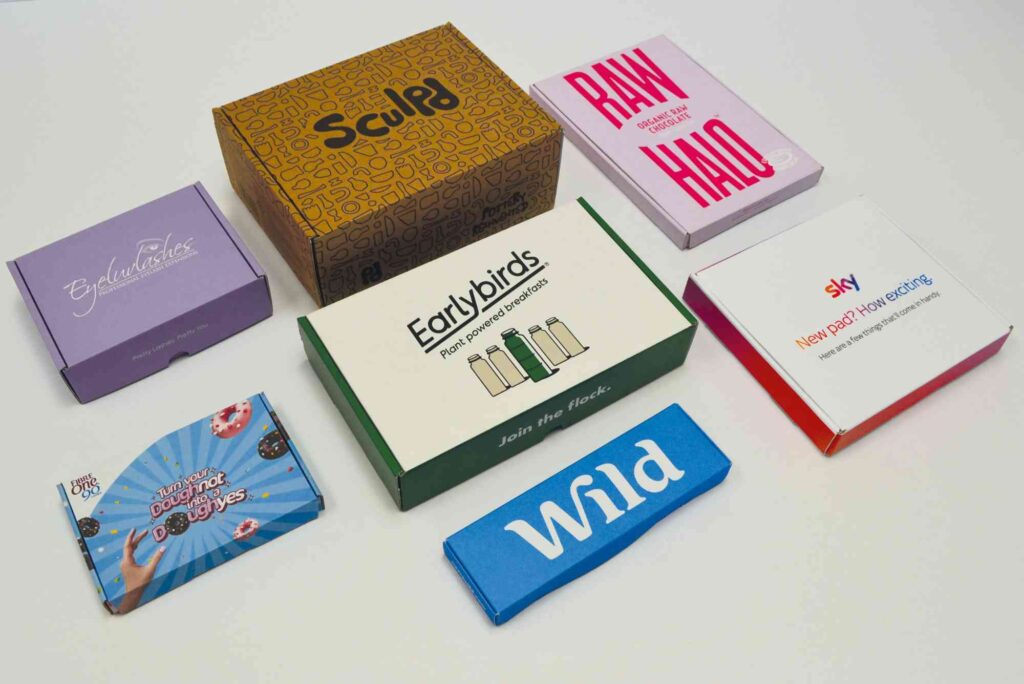
Packaging is an extension of your brand. Customers should recognise your business the moment they receive their parcel. Clear logos, brand colours, and consistent design help create familiarity. A strong visual identity increases perceived product value and communicates professionalism.
Functionality and Durability
Ecommerce parcels may be handled roughly, so protective design is essential. Cushioning, strong materials, secure closures, and well-measured dimensions reduce damage risks. When customers receive items in perfect condition, trust increases.
Sustainability and Eco-Friendly Options
UK shoppers increasingly prefer eco-conscious brands. Choosing recyclable, biodegradable, or reusable materials shows commitment to the environment and aligns your business with modern consumer values. Sustainable packaging also reduces waste and lowers long-term costs.
Cost Efficiency
The right packaging design can reduce shipping costs and storage space. Selecting lightweight yet durable materials keeps postage affordable. Optimised sizing eliminates unnecessary volume and prevents overpacking fees.
Choosing the Right Packaging Materials for Ecommerce
Your choice of materials affects product safety, customer experience, and environmental impact. Corrugated cardboard remains a favourite for ecommerce brands because it is strong, customisable, and recyclable. Padded mailers work well for smaller or flexible products, while rigid boxes are ideal for luxury goods.
If your brand focuses on sustainability, consider kraft paper, moulded pulp inserts, biodegradable fillers, or reusable packaging. Many UK brands now use soy-based inks and water-based adhesives to reduce environmental harm without compromising quality.
Designing a Memorable Unboxing Experience
Unboxing videos continue to dominate social platforms. They showcase packaging as a central part of brand storytelling. A memorable unboxing experience can convert one-time buyers into loyal customers.
Thoughtful additions such as branded tissue paper, personalised thank-you cards, or product samples elevate the experience. Even small design choices like easy-open tear strips or bold interior printing create excitement. When your packaging feels premium, customers are more likely to share it online.
Custom Packaging for Ecommerce Brands
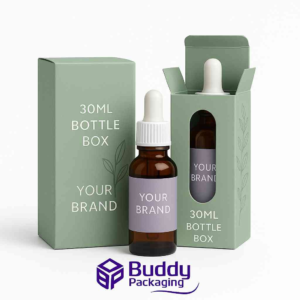
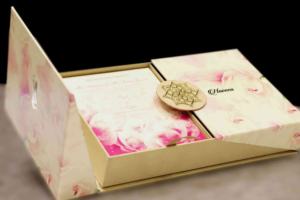
If you want maximum control over branding and presentation, consider investing in Custom Packaging for a tailored look and functional fit. Bespoke packaging allows you to choose exact materials, finishes, and dimensions that support your products and reflect your brand personality. It also helps reduce waste since each box or mailer is designed for your specific needs.
Best Practices and Packaging Design Tips for Sellers
Every ecommerce brand should follow proven packaging design tips to enhance performance and user experience. These include choosing simple, bold branding, avoiding unnecessary plastic, and testing packaging in real-world conditions. You can discover more inspiration and professional creative guidance through this useful resource:
Balancing Protection and Aesthetics
Many brands struggle to balance visual appeal with protective packaging. While beautiful boxes matter, protection should always come first. Damaged parcels lead to refunds, replacements, and lost trust. However, this does not mean protection must compromise aesthetics. For instance, internal inserts can be printed, kraft filler can be branded, and outer boxes can feature eco-friendly colours that align with brand identity. The key is finding harmony between style and safety.
The Role of Sustainability in Modern Ecommerce Packaging
Sustainable packaging is no longer a trend; it is an expectation. UK retailers are under increased pressure from consumers and regulations to reduce environmental impact. This shift benefits both the planet and businesses, as eco-friendly packaging often improves brand loyalty and reduces material costs.
Using recyclable cardboard, compostable mailers, eco tape, and minimalistic designs helps brands meet sustainability targets. You can also share eco-friendly commitments directly on the packaging, strengthening your brand’s ethical image.
Common Mistakes to Avoid in Ecommerce Packaging Design
Many businesses underestimate the importance of packaging and fall into common traps. One mistake is choosing boxes too large for the product, which increases shipping fees and wastes materials. Overuse of plastic bubble wrap or non-recyclable fillers can also damage brand reputation.
Another mistake involves overcomplicated designs. While creativity is valuable, packaging must remain user-friendly and easy to open. Confusing layouts or difficult closures frustrate customers and weaken the overall experience.
Finally, ignoring branding opportunities leaves your packaging forgettable. Even simple printing or stickers can transform a basic box into a recognisable brand asset.
Improving Customer Loyalty Through Packaging
Effective packaging does more than deliver goods — it builds emotional connections. Adding personal touches, such as thank-you notes or loyalty discount cards, encourages repeat purchases. When customers feel valued, they are more likely to trust your brand long-term.
You can also use packaging as a communication tool. Include helpful instructions, brand stories, or sustainability messages to deepen engagement and add meaning to the customer journey.
Future Trends in Ecommerce Packaging Design
As ecommerce continues to evolve, packaging trends are shifting. Smart packaging with QR codes or augmented reality features is becoming more common. Minimalist branding and natural textures appeal to eco-conscious consumers. More brands are adopting returnable or reusable packaging systems to reduce waste.
Another emerging trend is hyper-personalisation, where brands use print-on-demand technology to customise packaging for specific customers or regions. As technology advances, packaging is expected to become even more interactive and efficient.
FAQs
What is the best packaging for ecommerce shipping?
Corrugated cardboard boxes are considered the most reliable because they offer excellent protection and are lightweight and recyclable. Padded mailers are suitable for smaller or flexible items.
How can I make my ecommerce packaging eco-friendly?
Use recyclable or biodegradable materials, reduce excess packaging, avoid plastic fillers, and opt for renewable resources such as kraft paper or moulded pulp.
Does packaging design affect customer satisfaction?
Yes, attractive and protective packaging increases satisfaction. A great unboxing experience can lead to positive reviews, loyalty, and social media shares.
How do I reduce shipping costs with packaging?
Choose right-sized packaging, use lightweight materials, and avoid unnecessary fillers. Efficient packaging lowers courier fees and storage costs.
Should small businesses invest in custom packaging?
Yes, custom packaging helps build brand identity and improves customer experience. Even small investments can significantly enhance professionalism.
Elevate Your Brand With Smart Ecommerce Packaging
Packaging design for ecommerce is more than a protective shell — it is a strategic brand tool that shapes customer experience, boosts loyalty, and enhances your reputation. By choosing the right materials, prioritising sustainability, and focusing on visual appeal, you can transform everyday deliveries into memorable interactions. As competition grows, now is the ideal time to modernise your packaging and stand out in the UK ecommerce market. If you’re ready to take the next step, explore custom solutions, refine your design, and give your customers an experience worth sharing.