80s Packaging Design
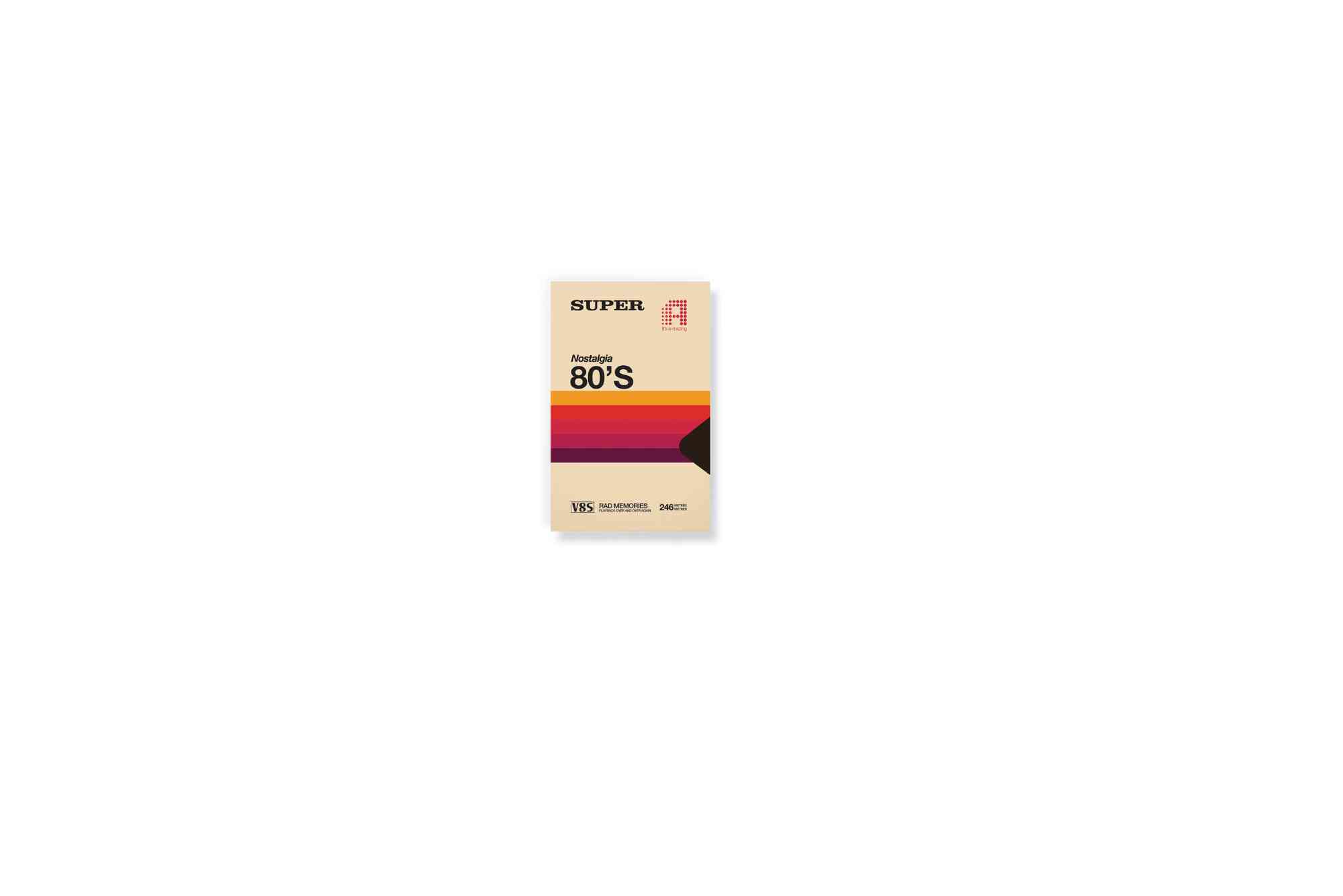
80s Packaging Design: A Timeless Revival of Bold Creativity
The world of 80s packaging design is loud, expressive, and unforgettable. It reflects a decade driven by experimentation, vibrant culture, and fearless branding. Today, designers and businesses are revisiting this iconic style to create standout products that connect emotionally with audiences. From neon palettes to geometric patterns, 80s packaging design continues to influence modern aesthetics in surprising ways.
The Cultural Influence Behind 80s Packaging Design
The 1980s were shaped by music, technology, and pop culture. These elements directly influenced packaging styles. Television adverts, arcade games, and cassette culture created a demand for visually striking designs. As a result, brands leaned into bold visuals to capture attention instantly.
Moreover, the rise of consumerism meant products needed to stand out on crowded shelves. Packaging became more than just protection. It turned into a storytelling tool. Bright colours and experimental typography were used to communicate energy, excitement, and innovation.
Key Characteristics of 80s Packaging Design
Vibrant Colour Palettes
One of the most recognisable elements of 80s packaging design is its use of bright and contrasting colours. Neon pink, electric blue, and vivid yellow dominated the scene. These colours were often paired together to create high-energy visuals.
In addition, gradients became popular. Designers used them to add depth and futuristic appeal. This approach made packaging feel dynamic and eye-catching.
Bold Typography
Typography in the 80s was anything but subtle. Fonts were large, stylised, and often experimental. Designers frequently used block letters, italic styles, and shadow effects.

As a result, text became a central visual element. It was not just for reading. It was part of the overall design experience.
Geometric Shapes and Patterns
Shapes played a huge role in defining the aesthetic. Triangles, zigzags, grids, and abstract forms were widely used. These patterns created movement and energy on packaging surfaces.
Furthermore, geometric layouts helped structure complex designs. They allowed designers to combine multiple elements without overwhelming the viewer.
Futuristic and Tech-Inspired Elements
The 80s were fascinated with the future. This influence is visible in packaging through metallic finishes, chrome effects, and digital-style graphics. These elements gave products a modern and innovative feel at the time.
Even today, this futuristic aesthetic feels nostalgic yet fresh. It is one reason why 80s packaging design is making a strong comeback.
Why 80s Packaging Design Is Trending Again
Modern consumers are drawn to nostalgia. It creates emotional connections and reminds people of simpler times. As a result, brands are revisiting retro styles to stand out in a competitive market. Additionally, social media has amplified visual trends. Bold and colourful packaging performs well on platforms like Instagram. This makes 80s-inspired designs highly shareable.
Businesses are also using retro aesthetics to differentiate themselves. In a world filled with minimalism, 80s packaging design offers a refreshing alternative.
How Brands Are Using 80s Packaging Design Today
Many companies are blending retro elements with modern design principles. This approach ensures that packaging feels nostalgic without appearing outdated.
For example, brands may use neon colours alongside clean layouts. Others incorporate vintage typography but pair it with contemporary materials. This balance creates a unique identity that appeals to both older and younger audiences.
If you are looking to create your own retro-inspired packaging, exploring Custom Packaging options can help bring your vision to life. Tailored solutions allow you to experiment with colours, textures, and finishes that reflect the 80s style while maintaining modern quality standards.
Design Tips for Creating Authentic 80s Packaging
Focus on Contrast and Energy
The 80s were all about bold contrasts. Use bright colours against dark backgrounds or combine unexpected hues. This creates a strong visual impact.
Experiment with Typography
Choose fonts that are expressive and dynamic. Avoid overly simple styles. Instead, look for typefaces that add personality and movement.
Incorporate Patterns Thoughtfully
While patterns are essential, they should not overwhelm the design. Balance them with negative space to maintain readability.
Use Texture and Finishes
Modern printing techniques allow you to recreate retro effects with high quality. Consider glossy finishes, embossing, or metallic inks to enhance the design.
Blend Retro with Modern Elements
To keep your packaging relevant, combine 80s aesthetics with current trends. This ensures your product appeals to a wider audience.
For more creative ideas, browsing packaging design inspiration can help you discover how designers are reinterpreting retro styles in innovative ways.
Industries Embracing 80s Packaging Design
The appeal of 80s packaging design spans across multiple industries. Food and beverage brands often use it to evoke nostalgia. Beauty products adopt it for bold and playful branding. Even tech companies are incorporating retro elements to create unique identities.
In addition, limited edition releases frequently use 80s-inspired packaging. This strategy creates excitement and encourages collectors to engage with the product.
The Psychology Behind Retro Packaging
Nostalgia is a powerful marketing tool. It triggers positive emotions and builds trust. When consumers see familiar design elements, they feel a sense of comfort.
Furthermore, bold designs capture attention quickly. In retail environments, this can significantly influence purchasing decisions. The vibrant nature of 80s packaging design makes it highly effective in this regard.
Sustainability and 80s Design
While the original 80s packaging was not focused on sustainability, modern adaptations are. Today’s designers are combining retro aesthetics with eco-friendly materials.
This approach allows brands to maintain visual appeal while meeting environmental standards. It also aligns with consumer expectations for responsible packaging.
How to Get Started with 80s Packaging Design
If you want to adopt this style, start by researching authentic examples. Analyse colour schemes, typography, and layouts. Then, experiment with different combinations to find what works for your brand.
Collaborating with professional designers can also make a significant difference. They can help translate your ideas into practical designs that stand out in the market.
You can even explore Buddy Packaging Location to connect with experts who understand both retro aesthetics and modern packaging needs.
Bringing the 80s Back to Life
80s packaging design is more than just a trend. It is a celebration of creativity, boldness, and individuality. By embracing its key elements, brands can create memorable packaging that resonates with consumers.
However, success lies in balance. Combining retro inspiration with modern techniques ensures your design remains relevant and effective.
An effective alcohol packaging design agency can transform a brand’s identity through creative visuals, premium materials, and strategic storytelling. By crafting eye-catching labels and distinctive bottle designs, it helps products stand out on crowded shelves while building trust with consumers. Choosing the right alcohol packaging design agency ensures consistency, appeal, and lasting market impact.
FAQs
What defines 80s packaging design?
80s packaging design is defined by bright colours, bold typography, geometric patterns, and futuristic elements. It focuses on high energy and visual impact.
Why is 80s packaging design popular today?
It is popular due to nostalgia and its ability to stand out. Consumers are drawn to its vibrant and expressive style.
Can 80s packaging design work for modern brands?
Yes, when combined with modern design principles, it can create unique and engaging packaging that appeals to today’s audience.
What colours are commonly used in 80s packaging design?
Neon shades like pink, blue, green, and yellow are commonly used. These colours are often combined for strong contrast.
How can I create my own 80s packaging design?
Start by studying retro designs, experimenting with bold elements, and using modern tools to refine your concept. Working with professionals can also help achieve better results.
