1950s Packaging Design
Introduction
The world of 1950s packaging design reflects a fascinating era of optimism, innovation, and bold creativity. After the hardships of the Second World War, brands embraced colour, personality, and consumer appeal like never before. As a result, packaging became more than just a container; it became a storytelling tool.
Today, designers and brands continue to draw inspiration from 1950s packaging design. From retro typography to playful illustrations, this vintage style offers timeless value. In this article, we explore the key elements, trends, and lasting influence of 1950s packaging design while showing how it can still be used effectively in modern branding.
The Rise of 1950s Packaging Design
The 1950s marked a turning point in consumer culture. With economic growth and increased production, companies began to compete for attention on crowded shelves. As a result, 1950s packaging design evolved rapidly.
During this era, packaging became brighter and more engaging. Designers focused on attracting customers visually while also communicating trust and quality. Importantly, the rise of supermarkets meant products needed to stand out without the help of salespeople.
Because of this shift, packaging design transformed into a powerful marketing tool. It was no longer just functional; it was persuasive.
Key Characteristics of 1950s Packaging Design
Bold Colours and Eye-Catching Graphics
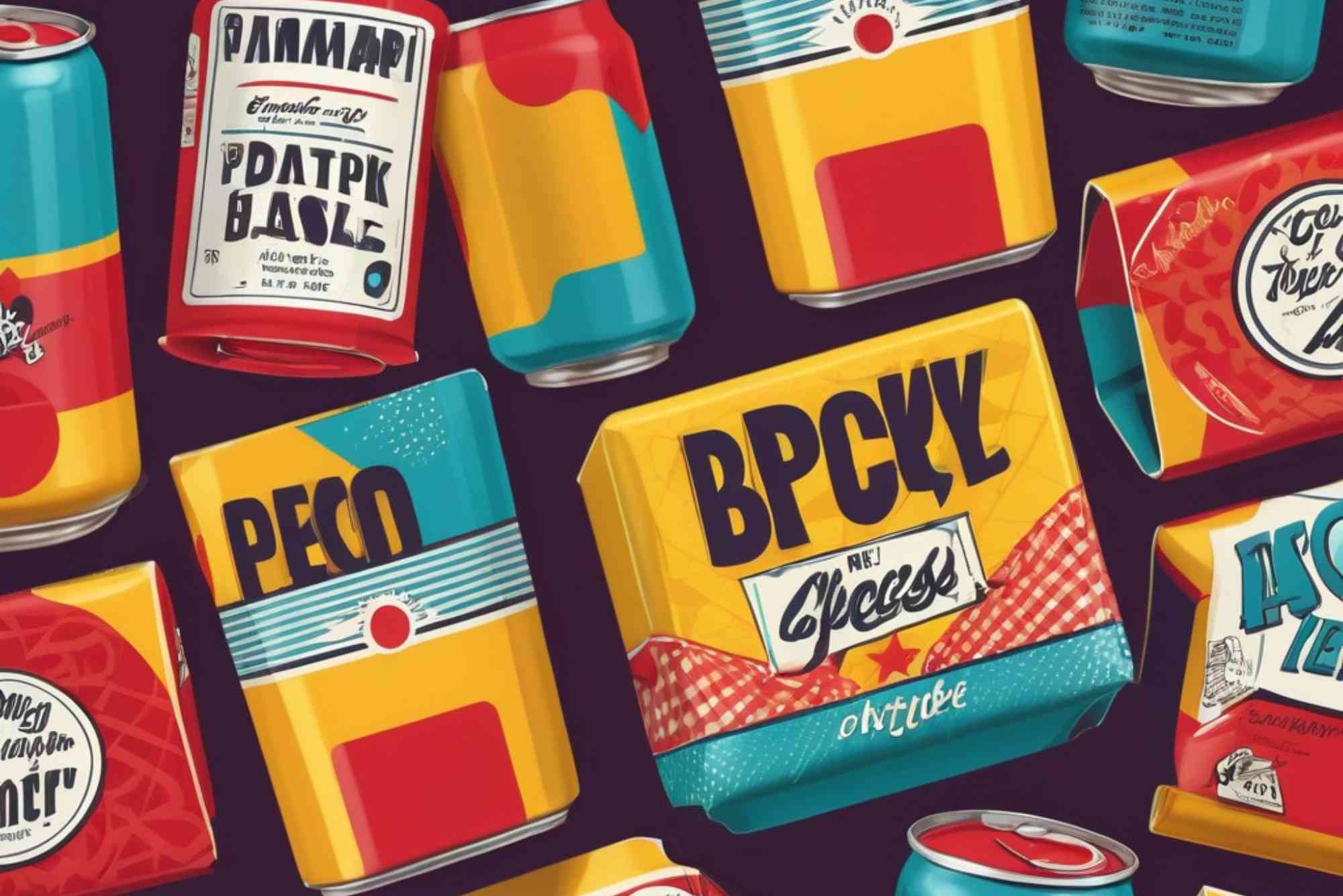
One of the most defining features of 1950s packaging design is its use of bold colours. Bright reds, yellows, blues, and pastels dominated product packaging. These colours were carefully chosen to evoke happiness and positivity.

In addition, graphics were playful and energetic. Designers often used hand-drawn illustrations that added personality to the product. This approach made packaging feel more human and relatable.
Retro Typography Styles
Typography played a crucial role in 1950s packaging design. Fonts were often bold, curvy, and expressive. Script lettering and sans-serif styles were commonly used together to create contrast.
This combination helped products feel both modern and friendly. Even today, these retro fonts are widely used in branding to create a nostalgic feel.
Emphasis on Branding and Identity
Another important aspect of 1950s packaging design was strong branding. Companies began to focus on building recognisable identities. Logos became more prominent, and packaging was designed to reinforce brand consistency.
This shift laid the foundation for modern branding strategies. It also highlighted the importance of visual identity in influencing consumer decisions.
Use of Illustrations Over Photography
While photography existed, illustrations were more popular in 1950s packaging design. Artists created charming characters and scenes that told a story about the product.
These illustrations often showed idealised lifestyles. For example, happy families enjoying products at home. This approach created emotional connections with consumers.
Materials and Printing Techniques
The development of new materials and printing methods also shaped 1950s packaging design. Cardboard boxes, tin containers, and glass bottles were widely used.
Advancements in printing allowed for more detailed and colourful designs. As a result, packaging became more visually appealing and accessible to mass production.
Moreover, the introduction of plastic began to influence packaging during the late 1950s. This innovation opened the door to new shapes and forms.
Cultural Influence on 1950s Packaging Design
1950s packaging design was heavily influenced by cultural trends. The post-war boom created a sense of optimism and progress. This feeling was reflected in bright colours and futuristic designs.
At the same time, the rise of television advertising influenced packaging aesthetics. Brands aimed to create a consistent look across media platforms.
Additionally, the space age and technological advancements inspired sleek and modern elements. These influences helped shape the unique style of the decade.
Why 1950s Packaging Design Still Matters Today
Even in today’s digital world, 1950s packaging design continues to inspire designers. Its timeless appeal lies in its ability to evoke nostalgia while remaining visually engaging.
Modern brands often use retro design to stand out in competitive markets. By incorporating elements of 1950s packaging design, businesses can create a sense of authenticity and charm.
For instance, many companies use vintage-inspired packaging to attract customers seeking unique and memorable products. This approach works especially well in industries such as food, beverages, and cosmetics.
Applying 1950s Packaging Design in Modern Branding
If you want to use 1950s packaging design in your brand, it is important to balance vintage elements with modern functionality. While nostalgia is powerful, usability and clarity must not be compromised.
One effective approach is to combine retro visuals with clean layouts. This ensures that packaging remains attractive while being easy to understand.
Additionally, using high-quality materials can enhance the overall look and feel. Brands looking for tailored solutions can explore Custom Packaging to create designs that reflect both vintage charm and modern standards.
Furthermore, understanding current trends is essential. By following expert packaging design tips, businesses can successfully adapt 1950s packaging design for today’s audience.
The Psychology Behind 1950s Packaging Design
The success of 1950s packaging design is closely linked to psychology. Bright colours and friendly illustrations create positive emotions. This makes consumers more likely to trust and purchase the product.
In addition, nostalgic designs can trigger memories and feelings of comfort. This emotional connection is a powerful marketing tool.
Because of this, many brands intentionally use retro packaging to build stronger relationships with their audience.
Common Industries That Use 1950s Packaging Design
Today, several industries benefit from 1950s packaging design. Food and beverage brands often use retro styles to highlight tradition and quality.
Similarly, fashion and beauty brands use vintage packaging to create a unique identity. This approach helps them stand out in a crowded market.
Even tech companies sometimes incorporate retro elements to add personality to their products.
Challenges of Using 1950s Packaging Design
While 1950s packaging design offers many benefits, it also comes with challenges. One major issue is maintaining authenticity without appearing outdated.
Designers must carefully select elements that feel relevant to modern audiences. Otherwise, the packaging may fail to connect with consumers.
Another challenge is balancing aesthetics with practicality. Packaging must still meet current standards for sustainability and usability.
The Future of 1950s Packaging Design
Looking ahead, 1950s packaging design is likely to remain popular. As consumers continue to seek meaningful and nostalgic experiences, retro design will stay relevant.
However, the future will also focus on sustainability. Designers will need to adapt 1950s packaging design to eco-friendly materials and practices.
This combination of vintage style and modern responsibility will define the next phase of packaging design.
Conclusion
1950s packaging design represents a golden era of creativity and innovation. Its bold colours, expressive typography, and emotional appeal continue to influence modern branding.
By understanding the principles behind 1950s packaging design, businesses can create packaging that stands out and connects with consumers. Whether you are launching a new product or refreshing your brand, this timeless style offers endless possibilities.
If you are ready to elevate your brand, consider exploring customised solutions and expert guidance. Start using 1950s packaging design today to create packaging that truly makes an impact.
FAQs
What is 1950s packaging design?
1950s packaging design refers to the visual style used in product packaging during the 1950s. It features bold colours, retro fonts, and playful illustrations.
Why is 1950s packaging design popular today?
It is popular because it evokes nostalgia and creates emotional connections with consumers. It also stands out in modern markets.
What colours were used in 1950s packaging design?
Bright and vibrant colours such as red, yellow, blue, and pastel tones were commonly used.
How can I use 1950s packaging design for my brand?
You can incorporate retro fonts, bold colours, and vintage illustrations while maintaining modern functionality.
Is 1950s packaging design suitable for all products?
It works best for brands that want to create a nostalgic or unique identity. However, it should be adapted carefully for different audiences.
Beer packaging design blends visual appeal with brand storytelling to create a memorable first impression. From bold typography and vintage labels to modern minimalist cans, effective beer packaging design helps products stand out on crowded shelves. It communicates flavour, quality, and personality while attracting the right audience. Thoughtful use of colour, texture, and shape can turn simple packaging into a strong marketing tool that boosts recognition and customer loyalty.
