Introduction
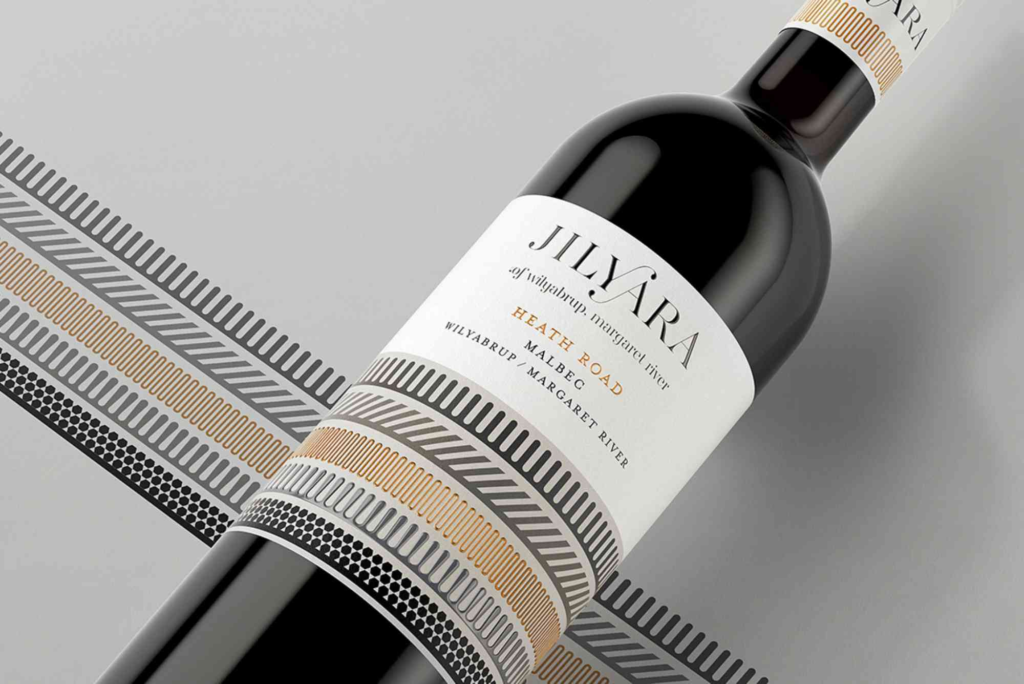
In the world of wine, taste isn’t the first thing customers notice—design is. The moment someone scans a shelf filled with dozens of bottles, the wine label and packaging create the first impression. A well-designed label tells your story, builds trust, and makes your bottle irresistible. Wine label design and packaging have become as essential to success as the quality of the wine itself. For brands competing in busy markets, design is not decoration—it is strategy.
The Importance of Wine Label Design and Packaging
A wine label is more than just a sticker with a name and logo. It serves as a silent salesperson, drawing customers toward one bottle over another. Research shows that packaging influences over 70% of purchase decisions in-store. For wine, where customers often face countless unfamiliar options, a striking label becomes the deciding factor.
Packaging extends beyond the label. Bottle shape, closure style, box design, and even texture create a complete sensory experience. Together, they communicate brand values, price point, and target audience. For example, minimalist black-and-white labels appeal to modern drinkers, while ornate gold foiling signals heritage and luxury.
Key Elements of Effective Wine Label Design
Typography and Readability
Font choice communicates personality. Serif fonts suggest tradition and elegance, while sans-serif fonts lean modern. Readability remains non-negotiable—customers should quickly identify the wine type, region, and brand without straining.
Color Psychology
Colors evoke emotions and influence decisions. Deep reds and golds convey richness and warmth. Green hints at sustainability, while white backgrounds often suggest purity and minimalism. Choosing the right palette ensures alignment with brand identity and consumer expectations.
Imagery and Symbols
Illustrations, logos, and motifs help the label tell a story. Vineyards often use sketches of their land, while modern brands may choose abstract art. Iconography also reinforces recognition across product ranges.
Finishing Touches
Embossing, foil stamping, and textured paper elevate the tactile experience. These finishing techniques add sophistication and encourage consumers to pick up the bottle. For more details on how print finishes can elevate packaging, you can explore print & finishing insights.
The Role of Packaging Beyond the Label
Packaging involves more than what’s on the bottle. The bottle shape itself communicates a message. A tall, slim Riesling bottle feels different from a heavy Bordeaux-style one. Closures matter too—natural corks convey tradition, while screw caps highlight convenience.
Boxes, gift sets, and shipping packaging are also critical. In e-commerce, protective yet stylish packaging enhances customer satisfaction. Environmentally conscious packaging solutions, such as recycled paper and biodegradable inks, also appeal to eco-minded buyers.
Designing for Your Target Audience
Understanding your consumer is the foundation of effective wine label design and packaging. A millennial audience may prefer playful, bold labels with modern graphics. In contrast, collectors and fine wine buyers expect subtlety, classic fonts, and a premium finish.
Market research ensures your label resonates with the right audience. Brands that align design with customer psychology position themselves for stronger sales and loyalty.
Regulatory Considerations in Wine Labeling
Wine labels must comply with strict regulations depending on the country of sale. Legal requirements often include:
- Alcohol content percentage
- Producer or importer name and location
- Net contents (volume)
- Health warnings where required
Failing to follow regulations can delay launches or even result in fines. Successful brands blend compliance seamlessly into design without compromising aesthetics.
Sustainability in Wine Label Design and Packaging
Sustainability is no longer optional. Modern consumers demand environmentally friendly practices. This extends to packaging, where wineries increasingly choose recycled papers, biodegradable adhesives, and soy-based inks. Lightweight bottles also reduce shipping emissions.
A sustainable label not only benefits the planet but also positions a brand as socially responsible. Many wineries now showcase their eco-friendly practices prominently on labels to attract conscious consumers.
Case Study: How Design Elevates a Wine Brand
Consider a small vineyard entering a competitive urban market. Their wine may rival established brands in taste, but without a distinctive label, Buddy Packaging Location it risks blending into the background. By embracing bold typography, foil detailing, and storytelling illustrations, they create instant shelf appeal. Paired with eco-conscious packaging, the brand signals authenticity and care, resonating strongly with modern wine buyers.
Tips for Creating Memorable Wine Labels
Consistency is key. Labels should reflect the winery’s story across different varieties while allowing each wine its own character. Using premium materials elevates perception, while simplicity often communicates confidence. Collaborating with experienced designers helps transform a brand vision into packaging that sells.
For businesses looking to experiment, custom solutions offer flexibility. Check out Custom Labels for tailored options that ensure your packaging fits your brand identity.
FAQs on Wine Label Design and Packaging
What should be on a wine label?
A wine label usually includes the winery name, wine type, vintage, alcohol content, and region of origin.
Why is wine label design important?
It attracts attention, communicates brand identity, and influences consumer decisions at the point of purchase.
Can wine labels increase sales?
Yes, a strong label design can significantly impact sales by making your wine stand out in competitive markets.
What materials are best for wine labels?
Premium paper, textured finishes, and sustainable options like recycled stock are popular for quality and eco-conscious branding.
How much does custom wine label design cost?
Costs vary depending on design complexity, finishes, and print quantities. Small runs may be affordable, while luxury labels can be an investment.
Wine label design and packaging play a powerful role in shaping consumer perception and driving sales. From fonts and colors to bottle shape and eco-friendly materials, every detail tells a story. Brands that invest in thoughtful, compliant, and memorable designs position themselves to stand out in crowded marketplaces.