Why Cardboard Packaging is Perfect for Food and Beverage Products
Choosing the right packaging is critical in the food and beverage industry. It affects safety, shelf life, branding, and sustainability. Why Cardboard Packaging is Perfect for Food and Beverage Products is a question many brands ask when balancing cost, quality, and environmental impact.
Cardboard packaging has become a trusted solution across the UK food sector. From takeaway boxes to beverage carriers, it delivers performance without compromise. In this guide, we explain why cardboard remains the preferred choice for food and drink brands of all sizes.
What Is Cardboard Packaging?
Cardboard packaging is made from paper-based fibres, often sourced from recycled materials. It is lightweight yet strong. Most importantly, it is adaptable to many food and beverage uses.
Types of Cardboard Used in Food Packaging
Different food products require different grades of cardboard. Common options include:
- Corrugated cardboard for shipping and transport
- Folding cartons for dry foods and retail packaging
- Solid board for premium food and beverage boxes
Each type supports the idea of why cardboard packaging is perfect for food and beverage products in different scenarios.
Why Cardboard Packaging Is Perfect for Food and Beverage Products
Cardboard packaging meets the core needs of food safety, sustainability, and branding. Below are the key reasons behind its popularity.
Food Safety and Hygiene Benefits
Food safety is non-negotiable. Cardboard packaging supports hygiene when produced correctly.
Meets Food-Grade Standards
Food-grade cardboard is manufactured under strict regulations. It prevents contamination and supports safe storage.
Suitable for Direct and Indirect Contact
Many cardboard packs include food-safe coatings. These allow safe contact with dry and certain moist foods.
According to UK Food Standards Agency guidance, certified paper-based packaging is safe for food use when handled properly.
Environmentally Friendly and Sustainable
Sustainability strongly influences buying decisions. This is a major reason why cardboard packaging is perfect for food and beverage products.
Renewable and Recyclable Materials
Cardboard comes from renewable sources. It can be recycled multiple times without losing strength.
Lower Carbon Footprint
Paper-based packaging often has a lower carbon impact than plastic. Organisations like WRAP UK highlight cardboard’s recyclability benefits.
Aligns with UK Environmental Goals
UK regulations increasingly favour recyclable packaging. Cardboard helps brands stay compliant.
Cost-Effective for Food Businesses
Packaging costs affect profit margins. Cardboard offers excellent value.
Affordable Production
Cardboard is cheaper to produce than many alternatives. This suits both startups and large brands.
Reduced Shipping Costs
Its lightweight nature lowers transport expenses. This matters for nationwide UK distribution.
Excellent Protection for Food and Beverages
Protection during storage and delivery is essential.
Shock Absorption and Strength
Corrugated cardboard protects bottles, jars, and fragile food items.
Temperature Control Options
With inserts and liners, cardboard can help maintain food temperature.
These features explain why cardboard packaging is perfect for food and beverage products across supply chains.
Branding Advantages of Cardboard Packaging
Packaging is a brand’s silent salesperson. Cardboard excels here.
High-Quality Printing and Design
Cardboard supports sharp printing and vibrant colours.
Ideal for Storytelling
Brands can share values, ingredients, and instructions clearly.
Premium Look and Feel
Textured finishes and embossing elevate presentation.
Many UK brands rely on Custom cardboard boxes to create a strong shelf presence.
Customisation for Food and Beverage Needs
Every product is unique. Cardboard adapts easily.
Flexible Sizes and Shapes
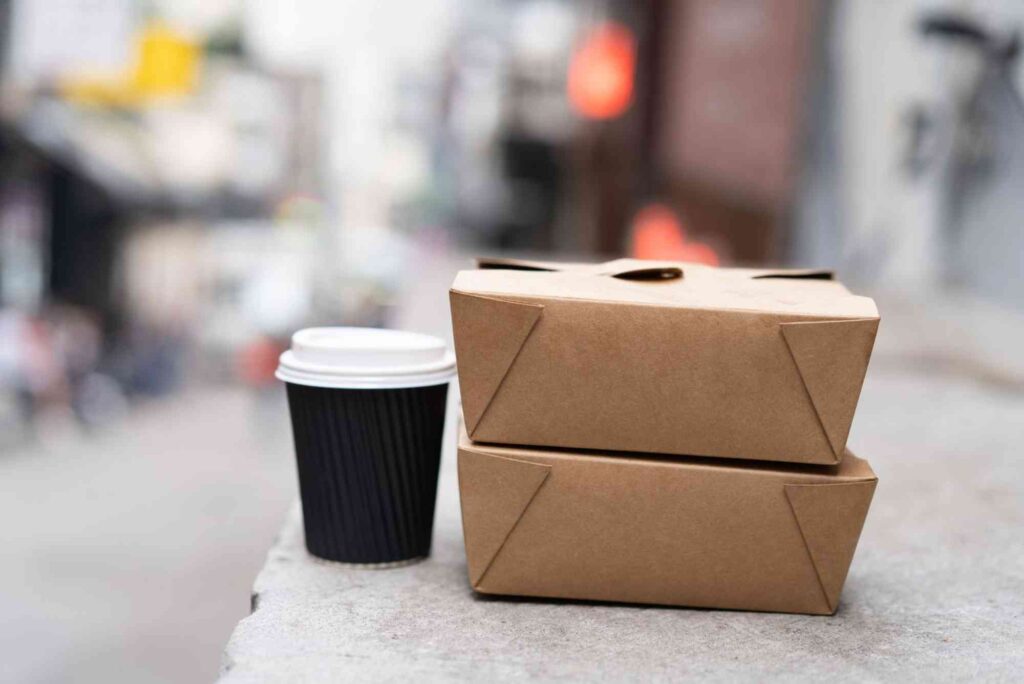
From pizza boxes to beverage carriers, cardboard fits all formats.
Seasonal and Promotional Designs
Limited-edition packaging is easy and affordable with cardboard.
This flexibility reinforces why cardboard packaging is perfect for food and beverage products in competitive markets.
Versatility Across Food and Beverage Categories
Cardboard packaging works across many food sectors.
Bakery and Confectionery Packaging
Cardboard boxes protect baked goods while allowing breathability.
Ready Meals and Takeaway Packaging
Takeaway cartons are sturdy, stackable, and heat-resistant.
Beverage Packaging
Cardboard carriers support bottles and cans safely.
Brands working with partners like Buddy Packaging UK often choose cardboard for these reasons.
Compliance with UK Food Packaging Regulations
Compliance builds trust and avoids penalties.
Meets Legal Requirements
Cardboard packaging can meet UK and EU food contact standards.
Supports Clear Labelling
Allergen and nutrition information prints clearly on cardboard.
This compliance strengthens why cardboard packaging is perfect for food and beverage products in regulated markets.
Consumer Perception and Trust
Packaging influences buying behaviour.
Seen as Eco-Conscious
Consumers associate cardboard with sustainability.
Enhances Brand Trust
Paper-based packaging feels honest and transparent.
Research from UK retail studies shows shoppers prefer recyclable packaging for food.
Storage and Supply Chain Efficiency
Efficiency matters in food logistics.
Easy to Stack and Store
Flat-packed cardboard saves warehouse space.
Simplifies Handling
Lightweight packaging reduces handling risks.
Facilities near Buddy Packaging Location often benefit from faster distribution using cardboard solutions.
Innovation in Cardboard Food Packaging
Cardboard packaging continues to evolve.
Grease-Resistant and Water-Based Coatings
New coatings improve performance without harming recyclability.
Smart Packaging Features
QR codes and traceability features enhance transparency.
These innovations further explain why cardboard packaging is perfect for food and beverage products today.
Challenges and How Cardboard Overcomes Them
No material is perfect. Cardboard has solutions to common challenges.
Moisture Resistance
Barrier coatings protect against leaks and humidity.
Shelf Life Concerns
Combined with liners, cardboard supports extended shelf life.
Modern technology ensures cardboard remains competitive.
FAQs: Why Cardboard Packaging Is Perfect for Food and Beverage Products
Is cardboard packaging safe for food?
Yes, food-grade cardboard meets safety standards. It is widely used across the UK food industry.
Can cardboard packaging be recycled after food use?
Most cardboard packaging is recyclable. Clean, dry boxes are easiest to recycle.
Is cardboard better than plastic for food packaging?
Cardboard is more sustainable and recyclable. Plastic may still suit certain uses.
Can cardboard packaging handle hot food?
Yes, many takeaway boxes are designed for hot food with heat-resistant coatings.
Does cardboard packaging affect food taste?
No, food-grade cardboard does not alter taste when used correctly.
Why Cardboard Packaging Is Perfect for Food and Beverage Products
The evidence is clear. Why Cardboard Packaging is Perfect for Food and Beverage Products comes down to safety, sustainability, cost, and branding power. It protects food, supports the environment, and enhances consumer trust.
For UK food and beverage brands, cardboard packaging is not just practical. It is strategic.
If you want packaging that protects your products and your brand reputation, consider cardboard solutions. Explore innovative designs, sustainable materials, and custom options to stay ahead in the competitive food and beverage market.