Introduction: What is Sustainable Packaging
Understanding what is sustainable packaging is essential in today’s eco-conscious world. Businesses and consumers are increasingly asking what is sustainable packaging and how it impacts the environment. In simple terms, what is sustainable packaging refers to packaging solutions designed to reduce environmental harm while maintaining product safety and quality.
This concept focuses on using materials and processes that minimize waste, conserve resources, and reduce carbon footprint. As industries evolve, what is sustainable packaging has become a key factor in responsible manufacturing and branding. It plays a crucial role in reducing pollution and promoting a circular economy.
What is Sustainable Packaging in Simple Terms
When we ask what is sustainable packaging, we refer to packaging that is designed with environmental responsibility in mind. It means using materials that are renewable, recyclable, biodegradable, or reusable.
Sustainable packaging aims to balance three key elements: environmental impact, cost efficiency, and functionality. This ensures that packaging protects products while reducing harm to the planet. Therefore, what is sustainable packaging is not just about materials but also about smart design and responsible production.
Key Features of Sustainable Packaging
To fully understand what is sustainable packaging, it is important to explore its key features.
Reduced Environmental Impact
One of the main aspects of what is sustainable packaging is minimizing environmental damage. It reduces greenhouse gas emissions and limits waste in landfills.
Use of Eco-Friendly Materials
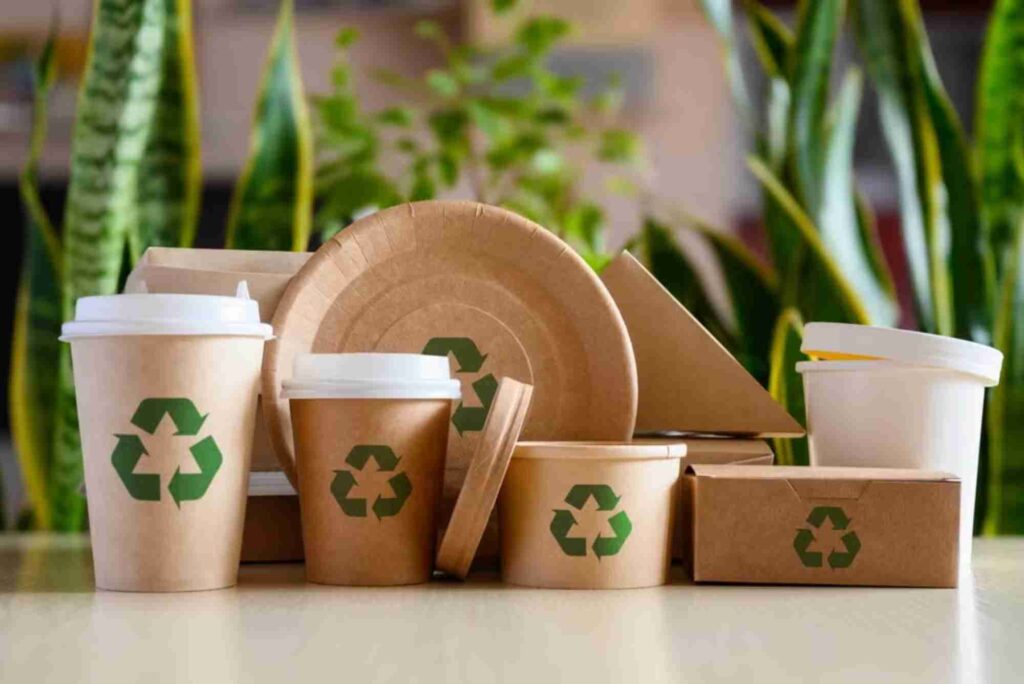
Sustainable packaging often uses materials like recycled paper, biodegradable plastics, and plant-based alternatives. These materials decompose naturally or can be reused.
Recyclability and Reusability
Another important part of what is sustainable packaging is its ability to be reused or recycled. This helps create a circular system where materials are continuously reused instead of discarded.
Energy Efficiency in Production
Sustainable packaging focuses on reducing energy consumption during manufacturing. This helps lower the overall environmental footprint.
Types of Sustainable Packaging
There are several types when exploring what is sustainable packaging. Each type serves a specific purpose and industry need.
Biodegradable Packaging
Biodegradable packaging breaks down naturally without harming the environment. It is often made from organic materials like cornstarch or sugarcane.
Compostable Packaging
Compostable packaging decomposes into natural elements under composting conditions. This type is widely used for food packaging.
Recyclable Packaging
Recyclable packaging is designed to be processed and reused. Materials like glass, cardboard, and certain plastics fall into this category.
Reusable Packaging
Reusable packaging can be used multiple times, reducing waste. It is common in retail and logistics industries.
Importance of Sustainable Packaging
When analyzing what is sustainable packaging, its importance becomes clear in several areas.
Environmental Protection
Sustainable packaging helps reduce pollution and conserve natural resources. It plays a major role in protecting ecosystems.
Consumer Awareness
Modern consumers prefer eco-friendly brands. Knowing what is sustainable packaging helps businesses meet customer expectations.
Regulatory Compliance
Many countries now have regulations encouraging or requiring sustainable practices. Understanding what is sustainable packaging ensures compliance with these rules.
Brand Reputation
Businesses that adopt sustainable packaging build stronger brand trust. It shows responsibility and commitment to the environment.
Benefits of Sustainable Packaging
Exploring what is sustainable packaging also involves understanding its benefits.
Reduced Carbon Footprint
Sustainable packaging reduces carbon emissions throughout the supply chain. This contributes to fighting climate change.
Cost Efficiency Over Time
Although initial costs may be higher, sustainable packaging can save money in the long run. Reusable materials reduce the need for constant production.
Waste Reduction
One of the core advantages of what is sustainable packaging is reducing waste. die cut boxes Less packaging waste means less burden on landfills.
Improved Customer Loyalty
Consumers are more likely to support brands that use eco-friendly practices. Sustainable packaging builds loyalty and trust.
Sustainable Packaging Materials
To understand what is sustainable packaging better, let’s look at commonly used materials.
Paper and Cardboard
Paper-based materials are widely used because they are recyclable and biodegradable. They are ideal for shipping and retail packaging.
Bioplastics
Bioplastics are made from renewable resources like corn or sugarcane. They are a modern solution in sustainable packaging.
Glass
Glass is reusable and recyclable without losing quality. It is often used for food and beverage packaging.
Metal
Metals like aluminum are highly recyclable and durable. They are commonly used in cans and containers.
Challenges in Sustainable Packaging
While learning what is sustainable packaging, it is important to understand its challenges.
Higher Initial Costs
Sustainable materials can be more expensive at the beginning. This may discourage small businesses.
Limited Availability
Not all regions have access to eco-friendly materials. This limits the adoption of sustainable packaging.
Performance Limitations
Some sustainable materials may not perform as well as traditional packaging. For example, they may be less durable in extreme conditions.
Consumer Behavior
Not all consumers are aware of proper recycling methods. This can reduce the effectiveness of sustainable packaging.
Sustainable Packaging in Business
Businesses play a crucial role in answering what is sustainable packaging through practical implementation.
Companies are now redesigning their packaging strategies to be more eco-friendly. For example, using lightweight materials reduces shipping costs and emissions.
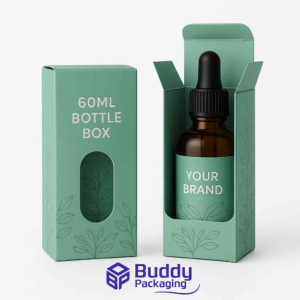
Brands also use custom packaging solutions such as dropper bottle boxes and die cut boxes to ensure both sustainability and product safety. These packaging styles are designed to reduce material usage while maintaining structural strength.
Future of Sustainable Packaging
The future of what is sustainable packaging looks promising. Innovations are continuously emerging to improve eco-friendly solutions.
Technological Advancements
New technologies are helping create smarter and more efficient packaging materials. These advancements make sustainable options more accessible.
Government Support
Governments are encouraging businesses to adopt sustainable practices. Policies and incentives are promoting eco-friendly packaging.
Consumer Demand
As awareness grows, consumers are demanding greener products. This will continue to drive the adoption of sustainable packaging.
Examples of Sustainable Packaging in Use
Many industries are already adopting what is sustainable packaging in practical ways.
Food companies are using compostable containers. E-commerce businesses are switching to recyclable shipping materials. Cosmetic brands are using refillable packaging systems.
These examples show how what is sustainable packaging is not just a concept but a real-world solution.
How to Choose Sustainable Packaging
When selecting what is sustainable packaging, consider several factors.
Focus on materials that are recyclable or biodegradable. Choose packaging that minimizes waste and maximizes efficiency. Consider the entire lifecycle of the packaging, from production to disposal.
It is also important to work with suppliers who prioritize sustainability. This ensures consistency in eco-friendly practices.
Why Understanding What is Sustainable Packaging Matters
In conclusion, understanding what is sustainable packaging is essential for both businesses and consumers. It helps reduce environmental impact while maintaining product quality.
As the world moves toward sustainability, adopting eco-friendly packaging is no longer optional. It is a responsibility. Businesses that embrace what is sustainable packaging will benefit from cost savings, improved reputation, and customer loyalty.
If you want to make a positive impact, start exploring sustainable packaging options today. Choose eco-friendly solutions and contribute to a greener future. The time to act is now.
buddypackaging.co.uk is your go-to destination for high-quality, eco-friendly packaging solutions. From custom boxes to sustainable materials, they provide innovative, reliable, and cost-effective options for businesses of all sizes. Enhance your brand’s presentation while caring for the environment with buddypackaging.co.uk.
FAQs About What is Sustainable Packaging
What is sustainable packaging and why is it important?
Sustainable packaging refers to eco-friendly packaging designed to reduce environmental harm. It is important because it helps conserve resources and reduce waste.
What materials are used in sustainable packaging?
Sustainable packaging uses materials like recycled paper, glass, bioplastics, and metal. These materials are recyclable or biodegradable.
How does sustainable packaging help the environment?
It reduces pollution, minimizes waste, and lowers carbon emissions. This helps protect natural ecosystems and conserve resources.
Is sustainable packaging more expensive?
Initially, it can be more expensive. However, it becomes cost-effective over time due to reduced waste and reuse opportunities.
Can all packaging be made sustainable?
Not all packaging can be fully sustainable, but many materials and designs can be improved to reduce environmental impact.
What industries use sustainable packaging?
Many industries use it, including food, cosmetics, retail, and e-commerce. It is becoming a global standard across sectors.