
What Are the Packaging Criteria for Accepting Non-Food Items
Proper packaging is crucial for non-food items to ensure they reach their destination safely and comply with regulatory standards. Understanding what are the packaging criteria for accepting non-food items helps businesses, logistics providers, and customers avoid damage, loss, and unnecessary delays. This guide covers the essential aspects of packaging non-food items, from material selection to labeling and handling considerations.
Importance of Proper Packaging
Preventing Damage During Transit
Non-food items can be fragile, sensitive to temperature, or susceptible to moisture. Correct packaging reduces the risk of breakage, deformation, or spoilage during transportation. Items such as electronics, cosmetics, and tools require secure cushioning, protective layers, and strong containers.
Compliance with Safety Regulations
Many countries and logistics companies have regulations for packaging non-food items. Proper compliance prevents fines, shipment rejection, and legal complications. For instance, certain chemicals or batteries need specific labeling and packaging to meet safety standards.
Enhancing Brand Reputation
Well-packaged products improve customer satisfaction. A package that arrives intact and looks professional reflects a brand’s commitment to quality. Adding features like comb box inserts or custom stickers can enhance the unboxing experience while providing additional protection.
Key Packaging Criteria for Non-Food Items
Material Selection
Durable Outer Packaging
The outer packaging must withstand weight, pressure, and environmental stress. Cardboard, corrugated boxes, or rigid plastic containers are commonly used. Boxes should be double-walled for heavier items or fragile products.
Inner Cushioning Materials
Non-food items often require bubble wrap, foam, air pillows, or molded pulp. Proper cushioning absorbs shocks and prevents movement inside the box, minimizing the risk of damage.
Water-Resistant Layers
Items sensitive to moisture, like electronics or paper products, need waterproof wrapping or plastic bags inside the primary packaging.
Size and Weight Considerations
Appropriate Box Dimensions
Boxes should fit the items snugly without excessive empty space. Overly large boxes increase shipping costs and risk of movement, while tight packaging may cause damage under pressure.
Weight Limits
Each package should respect carrier weight limits. Distributing heavy items into smaller packages reduces strain on boxes and ensures safer handling.
Labeling and Documentation
Clear Identification
Packages must display sender and recipient details, handling instructions, and product information. Fragile or heavy packages should carry clear warnings to inform handlers.
Regulatory Compliance
Items like batteries, chemicals, or hazardous materials require specific symbols and documentation. Compliance ensures shipments are accepted by carriers and customs authorities.
Security and Tamper Prevention
Sealing Methods
Strong adhesive tape, shrink wrap, or tamper-evident seals prevent accidental openings. This is especially important for high-value or sensitive products.
Anti-Theft Measures
Using discreet packaging and tamper-proof labels can deter theft during transit. Some businesses add internal tracking or numbered seals for additional security.
Special Handling Considerations
Fragile Items
Products like glassware, electronics, and collectibles require extra cushioning and clear “fragile” indicators. Internal separators and dividers prevent items from colliding.
Temperature-Sensitive Items
Although non-food, certain items like cosmetics, batteries, or adhesives may be sensitive to heat. Packaging must provide insulation or indicate handling instructions.
Bulk Shipments
Large orders or multiple items require efficient stacking and protective materials. Pallets, stretch wrap, and corner protectors ensure bulk shipments remain stable.
Enhancing Packaging Efficiency
Using Comb Box for Organization
A comb box is an effective way to separate and organize small items inside a larger box. This reduces movement, protects products, and improves unpacking efficiency.
Branding with Custom Stickers
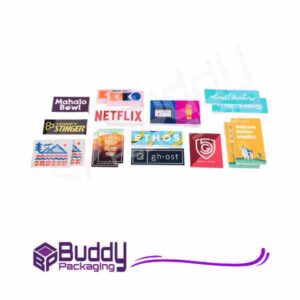
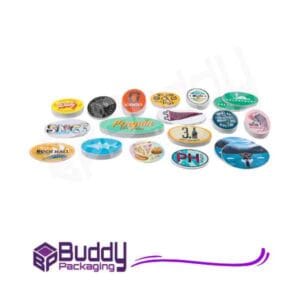
Custom stickers provide identification, handling instructions, or brand messaging. They can also serve as seals to ensure packages remain unopened during transit.
Cost-Effective Solutions
While premium packaging ensures safety, businesses should balance protection with cost. Reusable materials, optimized box sizes, and bulk purchasing of cushioning materials can lower expenses without compromising quality.
Common Mistakes to Avoid
Overpacking or Underpacking
Too much padding can make boxes heavier and harder to handle, while insufficient protection increases damage risk.
Ignoring Regulations
Failure to comply with carrier or local packaging regulations can lead to rejected shipments or fines. Always review applicable rules.
Neglecting Labels and Documentation
Unclear or missing labels delay shipments and complicate logistics. Proper labeling ensures smooth transit and compliance.
Proper packaging for non-food items ensures safety, regulatory compliance, and customer satisfaction. By selecting the right materials, maintaining appropriate sizes, using protective measures like comb boxes, and adding custom stickers for branding, businesses can minimize damage and enhance the overall shipping experience. Take packaging seriously to safeguard products, maintain credibility, and improve efficiency.
Invest in smart packaging solutions today and ensure every shipment meets the required standards for non-food items.
buddypackaging.co.uk is your go-to destination for high-quality, eco-friendly packaging solutions. From custom boxes to sustainable materials, they provide innovative, reliable, and cost-effective options for businesses of all sizes. Enhance your brand’s presentation while caring for the environment with buddypackaging.co.uk.
FAQ
What materials are best for packaging non-food items?
Durable cardboard, corrugated boxes, plastics, and cushioning materials like bubble wrap or foam are ideal.
How do I prevent fragile items from breaking in transit?
Use cushioned layers, internal dividers, and clearly mark packages as fragile. Consider comb boxes for added organization.
Are there regulations for non-food packaging?
Yes, certain items like batteries or chemicals require labeling and handling according to local and international guidelines.
How can I make packaging more professional?
Add custom stickers for branding, proper labeling, and tamper-evident seals to improve presentation and security.
What is a comb box and how does it help?
A comb box separates small items inside a package, reducing movement and preventing damage during transit.