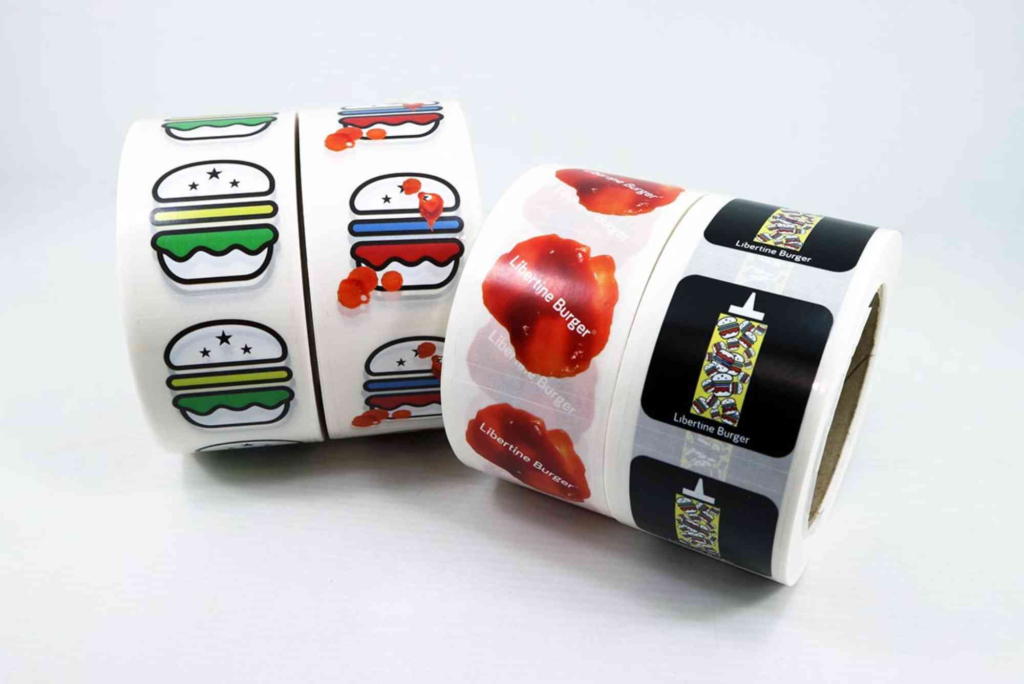
Vinyl Sticker Design: A Complete Guide to Creativity and Impact
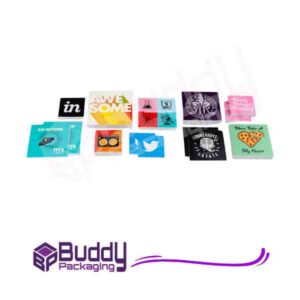
Vinyl sticker design has become one of the most versatile and creative ways to express a message, build brand identity, or personalize everyday items. Whether used for business branding, packaging, or personal expression, vinyl stickers combine durability with high visual appeal. Understanding how to design them effectively can turn a simple concept into a memorable visual experience.
This article explores everything you need to know about vinyl sticker design — from choosing the right materials and styles to expert tips for impactful visuals. You’ll also learn how professional designers and printing experts ensure every detail looks perfect.
What Makes Vinyl Sticker Design So Popular
Vinyl stickers are loved for their balance of beauty and practicality. They can adhere to nearly any surface — glass, metal, plastic, or paper — while maintaining vivid color and durability. More importantly, vinyl sticker design offers limitless customization possibilities, whether you’re promoting a product, decorating packaging, or adding flair to your laptop.
Businesses often use vinyl stickers as part of their marketing and packaging strategy. A well-executed design makes a small sticker a powerful branding tool. High-quality vinyl, combined with the right finishes, ensures that your stickers remain visually striking for months or even years.
Understanding the Basics of Vinyl Sticker Design
To create an effective vinyl sticker, you must balance aesthetics with function. The design should not only look appealing but also serve a clear purpose — whether it’s attracting attention, delivering information, or enhancing packaging.
Choosing the Right Type of Vinyl
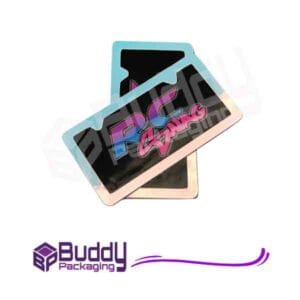
Vinyl comes in various finishes — glossy, matte, transparent, and holographic — each offering a different visual effect. Glossy vinyl enhances color vibrancy, while matte vinyl provides a smooth, elegant finish that reduces glare. Transparent vinyl is ideal for minimalistic or layered designs.
Considering Shape and Size
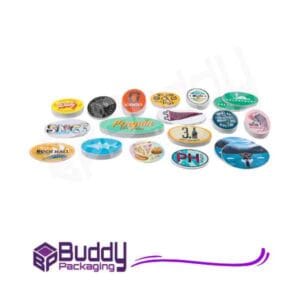
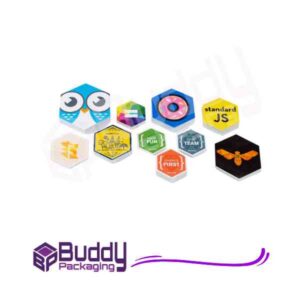
Vinyl stickers come in endless shapes — round, square, die-cut, or custom contours. The right shape can reinforce your brand message. For example, a coffee brand might use cup-shaped stickers, while a tech company might prefer sleek geometric forms.
Balancing Text and Graphics
Typography plays a crucial role in vinyl sticker design. Text should be legible, bold, and aligned with your brand identity. Pairing strong typography with clean graphics ensures that your design remains clear even at small sizes.
Color Psychology in Vinyl Sticker Design
Colors influence how people perceive your brand. Warm tones like red and orange evoke excitement and energy, while cool tones like blue and green convey calmness and trust. When selecting colors for your vinyl sticker design, consider how they align with your brand’s personality.
Using Contrast for Readability
Contrast enhances visibility. Light text on dark backgrounds or vice versa helps your sticker stand out even from a distance. Always test your design under different lighting conditions to ensure optimal readability.
Maintaining Color Accuracy in Printing
Color consistency is key in professional printing. Use CMYK color mode instead of RGB to ensure that your design appears the same in print as it does on screen. For more expert details on how printing impacts design outcomes, explore print & finishing insights.
The Role of Material and Finish
A successful vinyl sticker design depends as much on materials as on aesthetics. The tactile feel and visual finish can greatly influence how customers perceive your brand.
Matte vs. Glossy Finish
Matte stickers offer sophistication and reduce glare — ideal for premium or subtle branding. Glossy finishes, on the other hand, emphasize color depth and vibrancy, perfect for bold or playful designs.
Waterproof and Weatherproof Options
Outdoor applications require durable materials. Laminated vinyl or UV-resistant coatings ensure stickers can withstand sun exposure, moisture, and wear. Investing in quality vinyl ensures your designs stay vibrant longer.
How to Create a Vinyl Sticker Design That Sells
To make your design effective, focus on clarity, originality, and alignment with your target audience.
Keep It Simple but Impactful
Overly complex designs can lose their message. Minimalism, when applied strategically, can be powerful. A clean layout with a single focal point often outperforms a cluttered design.
Add Branding Elements
Incorporate your logo, brand colors, and taglines in a way that feels natural. The best vinyl sticker designs subtly reinforce your identity without overwhelming the viewer.
Use High-Resolution Graphics
Low-resolution images can ruin an otherwise strong design. Always work with vector graphics or 300 DPI images to ensure crisp printing results.
Professional Tips for Perfect Vinyl Sticker Printing
Design is only half the story — printing completes it. The final product’s quality depends on precision in both color and material selection.
Work with Trusted Printers
A professional printer understands the nuances of vinyl materials, cutting, and finishing. Partnering with specialists ensures consistency across batches.
Test Before Bulk Printing
Always print a few samples before mass production. This allows you to catch color mismatches, alignment errors, or size discrepancies early.
Optimize File Formats
For best printing results, save your designs in vector formats such as AI, PDF, or EPS. These ensure scalability without losing quality.
Why Businesses Choose Vinyl Stickers
Vinyl stickers are a cost-effective branding tool. Small businesses use them to label packaging, while larger brands incorporate them into event promotions, giveaways, and limited-edition merchandise.
If you’re considering ordering your own branded stickers, explore Custom Stickers for high-quality, fully personalized options that reflect your unique design style.
Common Mistakes in Vinyl Sticker Design
Even experienced designers sometimes make small mistakes that affect the final product.
- Ignoring bleed areas can result in trimmed edges.
- Using too much text makes designs cluttered.
- Choosing colors that don’t print well on vinyl leads to dull results.
Always review your design with fresh eyes before finalizing it. A short proofing session can save both time and cost.
Environmental Impact and Sustainability
Eco-friendly printing methods and recyclable vinyl materials are becoming increasingly popular. Opt for water-based inks and biodegradable adhesives whenever possible. This not only benefits the environment but also appeals to eco-conscious consumers.
Where to Get Vinyl Stickers Made
Selecting the right printing partner is as important as the design itself. A reliable local printer ensures faster turnaround and better communication. If you’re near the UK, you can locate a professional supplier through Buddy Packaging Location for expert printing and packaging solutions.
FAQs
What software is best for vinyl sticker design?
Adobe Illustrator, CorelDRAW, and Canva are excellent tools. They support vector graphics, ensuring your designs print cleanly.
How do I make my vinyl stickers waterproof?
Choose laminated or UV-coated vinyl materials. These resist moisture, scratches, and fading.
Can I print vinyl stickers at home?
Yes, with an inkjet printer and waterproof vinyl sheets, though professional results require specialized printers.
What resolution should my design be?
Aim for at least 300 DPI or a scalable vector format for sharp results.
How long do vinyl stickers last?
With proper material and finish, vinyl stickers can last 3–5 years, even outdoors.
Vinyl sticker design blends creativity, precision, and material knowledge. Whether you’re crafting branding labels, promotional decals, or personal art, every design choice — color, finish, and layout — influences the final impression.