Vegetable printing designs turn everyday kitchen produce into imaginative creative tools. From simple potato stamps to elaborate patterns on fabric, this hands‑on art form blends sustainability, playfulness, and imagination into stunning visual effects. Whether you are a parent looking for a fun activity for kids, a home crafter seeking unique designs, or an artist exploring eco‑friendly printmaking, this guide will inspire you with practical insight and creative ideas.
In this article, you’ll discover what vegetable printing is, how to make compelling prints, and creative applications for home décor, fabric art, and more. You’ll also find helpful tips drawn from experienced practitioners and responses to common questions people search for online. Let’s begin by understanding the art behind vegetable printing designs and why it remains a favourite creative activity for learners and makers alike.
What Is Vegetable Printing?
Vegetable printing is an art form where cut or carved vegetables are used as stamps to create patterns or designs on a surface. Instead of traditional brushes and stamps, artists use the natural shapes and textures found in vegetables like potatoes, okra, celery, carrots, or bell peppers. When dipped in paint or ink and pressed onto paper or cloth, these vegetables form unique, organic prints. The technique is not only accessible but also encourages creative exploration using sustainable and inexpensive materials found at home.
At its simplest, vegetable printing involves dipping a vegetable into paint and pressing it onto a surface. This transforms simple produce into visual tools that can make beautiful, eye‑catching patterns and designs. Young children enjoy the tactile experience, while adults can explore more sophisticated designs and compositions. The key lies in how you prepare your vegetable stamp and what surface you choose to print on.
The Origins and Appeal of Vegetable Printing
The roots of using natural materials for prints go back centuries, especially in traditional crafts where artists would apply nature’s textures to design surfaces. Vegetable printing is a modern and playful iteration that resonates with sustainable creativity. It taps into the natural textures and internal patterns of vegetables, transforming them into art tools that hold limitless possibilities.
This method gained renewed attention as educators and parents sought art activities that are safe, low‑cost, and stimulating for children. The process aligns with eco‑conscious values and experiential learning, making it popular in classrooms and at home workshops. Over time, creative artists began expanding its use beyond children’s crafts to fabric printing, home décor, and even wearable art.
Choosing the Right Vegetables for Printing
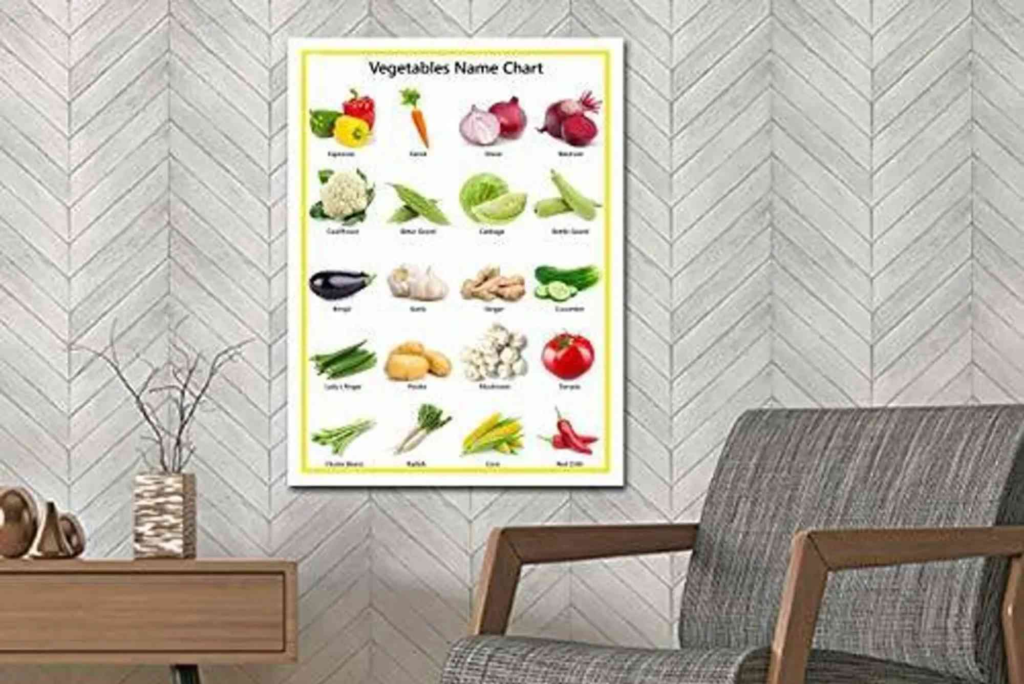
Vegetable printing designs thrive on texture and shape. The choice of vegetable directly affects the outcome of your design. Firmer vegetables often provide clearer prints because their internal structures hold shape when pressed into paint or ink. For example, potatoes are a classic choice because they have a flat, dense interior that holds etched shapes well. Carrots and apples, with their circular cross‑sections and distinctive internal rings, offer dynamic circular patterns.
Vegetables with unique textures, like broccoli or okra, yield unpredictable and organic impressions that can add an artistic flourish. Okra slices reveal star‑like patterns that work beautifully for floral motifs, while the end of celery stalks can resemble blooming roses in print. Choosing the right vegetable is an essential step in designing compelling prints that match your artistic intent.
Tools and Materials You’ll Need
Getting started with vegetable printing doesn’t require specialised equipment, which is part of its charm. Basic materials include fresh vegetables, paint or fabric ink, a tray for your paint, and the surface you intend to print on—paper, card, fabric, or even walls with safe paints. While acrylic or fabric paints are commonly used, water‑based non‑toxic paints are ideal for textile applications and children’s projects.
It’s helpful to have a sharp knife and a cutting board to prepare the vegetable stamps precisely. For fabric printing, laying cardboard inside T‑shirts or cloth helps prevent paint bleed‑through. Testing your design on scrap paper first also ensures you understand how much paint to apply and how your vegetable stamp interacts with the surface.
Techniques for Effective Vegetable Printing
Creating striking vegetable printing designs is about experimenting with technique and surface. Beginners can simply cut vegetables in half and press them into paint for bold basic imprints. For more detailed designs, carving shapes into the vegetable surface allows you to control the pattern more intricately before printing. This carving transforms a humble vegetable into a custom stamp creation.
Applying the paint evenly is crucial. Too much paint can cause smudges, while too little results in faint impressions. Using a brush or sponge to apply a thin layer helps you regulate paint distribution more precisely. Press firmly but gently onto the printing surface, holding the vegetable stamp in place briefly to ensure a complete transfer of the design.
For multi‑coloured designs, clean your vegetables between colours and re‑apply paint as needed. Layering colours and prints allows for depth and complexity in patterns, especially when combining different vegetable stamps in a single composition.
Creative Applications of Vegetable Printing Designs
Vegetable printing designs go far beyond simple paper art. They offer creative possibilities in multiple areas:
Paper and Card Art
Vegetable stamps make beautiful cards, posters, and framed artwork. You can arrange prints into repeating patterns, abstract landscapes, or themed visuals like seasonal designs. Combining different vegetable shapes and colours elevates simple prints into curated artistic compositions that delight viewers of all ages.
Fabric and Clothing
With the right fabric paint and preparation, vegetable printing can personalise clothing. T‑shirts, tote bags, and cushion covers take on distinctive artistic flair when stamped with vegetable designs. Once the paint dries and is heat‑set, your fabric design becomes more durable and vibrant.
Home Décor Projects
Vegetable printing can also extend to textiles for home décor, such as table linens or wall hangings. Ensure you use appropriate fabric mediums and paints to maintain longevity. This approach offers a sustainable alternative to commercially printed fabrics and contributes to uniquely bespoke interiors.
Educational and Sensory Activities
For children, vegetable printing is a multisensory art activity that encourages fine motor skill development, creativity, and colours experimentation. Teachers and caregivers often use this technique to introduce children to shapes, textures, and art principles through playful exploration.
Tips for Professional‑Looking Prints
Even as a hobbyist, achieving polished vegetable printing designs comes down to a few simple practices. Plan your layout before beginning. Thinking about how your prints will fit together on the surface helps you avoid overcrowding or uneven patterns. Test your stamps on scrap material so you know exactly how they behave with the paint you’ve chosen.
Using quality paints appropriate for the substrate and ensuring even paint application leads to cleaner designs. For fabric prints, allow full drying and then heat‑set with an iron to lock in colours. This step helps prevent fading after washing or handling.
Sustainable and Eco‑Friendly Aspects of Vegetable Printing
Vegetable printing also aligns with sustainable creative practices. By using biodegradable materials and repurposing food that might otherwise go unused, you reduce waste and avoid synthetic stamps or tools. Eco‑conscious creators appreciate this art form for its low environmental impact and accessible materials. Choosing water‑based, non‑toxic paints supports safe, environmentally sensitive craft experiences for children and adults alike.
In a world increasingly reliant on mass‑produced crafts and synthetic materials, vegetable printing stands out as a joyful alternative rooted in nature, curiosity, and artistic expression.
Discover Your Style with Vegetable Printing
Vegetable printing designs open up a world of creativity where everyday kitchen produce becomes your artistic toolkit. Whether you’re crafting with children, personalising fabric, or designing wall art, the process invites playfulness, sustainability, and ingenuity. Each vegetable stamp brings its own texture and character to your work, and with experimentation, you can create truly unique pieces.
If you’re serious about exploring creative surface art, consider how you can expand beyond printing into other areas like eco printing and surface pattern design. For more inspiration and tailored solutions, explore Custom Packaging to integrate artful prints into your products, and check out packaging design inspiration for ideas that ignite your creative spark. When you’re ready to share or showcase your work locally, discover Buddy Packaging Location to connect with a creative community that appreciates thoughtful design.
Vegetable printing is more than an activity: it’s a gateway to mindful art. Grab some paint, choose your favourite vegetables, and watch your designs blossom.
Frequently Asked Questions
What is vegetable printing?
Vegetable printing is an art technique where cut or carved vegetables are used as stamps to create patterns or designs on paper, fabric, or other surfaces by dipping them in paint.
What vegetables are best for printing?
Firm vegetables like potatoes, carrots, okra, celery ends, and bell peppers make excellent printing tools because they hold shape and transfer clear impressions.
Can vegetable prints be made on fabric?
Yes, vegetable prints can be applied to fabric using fabric paints. Once dry, heat‑set the design with an iron to lock in colours and durability.
Are vegetable printing designs suitable for kids?
Absolutely. Vegetable printing is a safe, creative activity ideal for kids when supervised with non‑toxic paints and simple tools.
How do I make vegetable prints last longer?
For paper art, framing and sealing with a fixative helps protect the design. For fabric, heat‑setting the paint ensures it withstands washing and wear.