Designing and installing nesting homes for our feathered friends brings nature closer to our everyday lives. Whether you’re a seasoned gardener or a curious beginner looking at UK bird box designs, there’s so much to learn and enjoy. From selecting the right materials to positioning your bird box for safety and comfort, this guide offers practical and engaging insights rooted in UK birdwatching experience.
Bird boxes aren’t just decorative garden pieces. They provide essential shelter for nesting and roosting birds in places where natural cavities in trees and buildings are disappearing. Well‑designed bird boxes will attract a variety of British garden birds, from blue tits and sparrows to robins and starlings.
Let’s explore how you can choose, build, and position bird boxes that truly make a home.
Why Invest in UK Bird Box Designs?
When you bring UK bird box designs into your garden, you’re improving wildlife habitat. Gardens in Britain cover more area than all nature reserves combined, making them hugely important for wildlife. By adding nest boxes, you help fill the gap left by habitat loss and encourage species to thrive.
Well‑designed bird boxes also enhance your connection with nature. Watching nesting behaviour, the arrival of fledglings, and the rhythms of bird life brings daily delight and ecological insight.
Essentials of Good Bird Box Design
Creating a great bird box starts with understanding what birds need most — protection, shelter, and safety.
Choosing the Right Materials
Wood remains the most trusted material for bird boxes. It offers natural insulation against the fluctuating British weather and creates a comfortable internal environment. Look for sustainable and weather‑resistant timber, ideally untreated to avoid harmful chemicals. Older designs often used softwoods, but hardwoods like oak and larch resist decay and provide robustness against rain and wind.
The thickness of wood matters too. A sturdy panel of around 20–21 mm helps regulate temperature and keeps birds warm in cold months and cool in summer sun.
Entrance Hole Size and Shape
The hole size in your bird box determines which birds will use it. Smaller entrances suit tiny species like blue tits, while larger holes welcome bigger birds such as sparrows. For example, a 25 mm hole works well for small tits, while 32 mm suits house sparrows and nuthatches.
Round entrances discourage predators and keep out unwanted larger birds. Some contemporary designs even include interchangeable metal plates so you can adjust hole size as needed.
Waterproofing and Weatherproof Angles
A slightly angled roof that overlaps the front of the box helps deflect heavy British rains. Adding a bit of roofing felt or a natural overhang further enhances waterproofing and longevity. Natural drainage holes at the bottom prevent water build‑up inside.
Easy Cleaning Access
Designs that allow the box to open easily — via a hinge or removable side panel — make annual cleaning straightforward. Cleaning ensures that old nesting material doesn’t harbour parasites or deter new bird families from moving in.
Creative UK Bird Box Designs to Inspire You
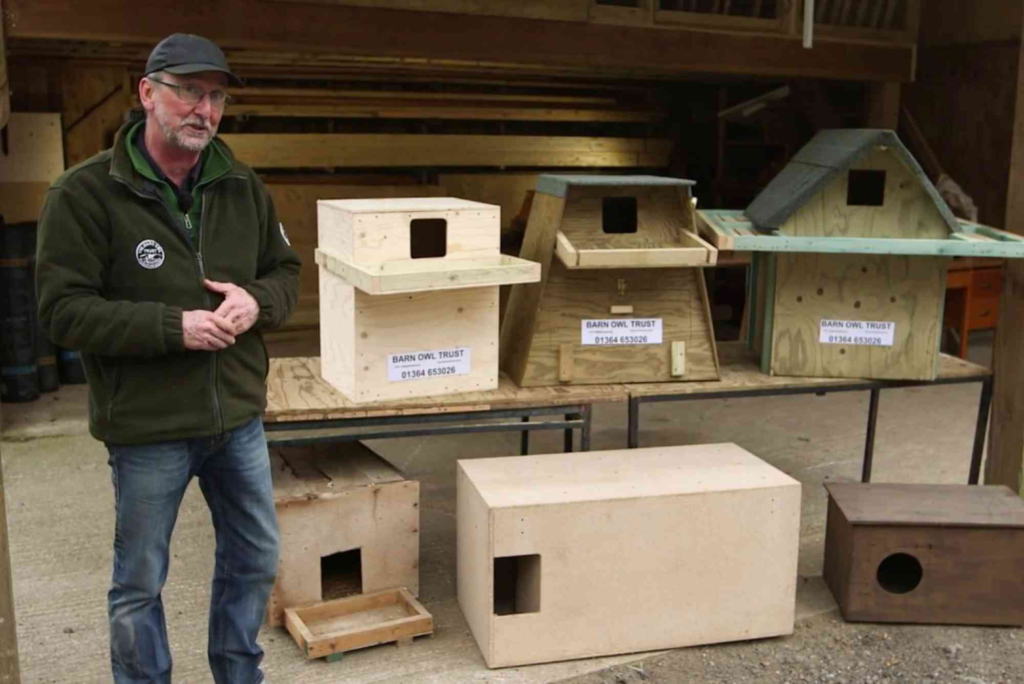
The UK has a rich tradition of crafting not only functional but creative bird box designs. From classic cottage‑style homes to bespoke creations inspired by the local landscape, your options are vast.
Classic Wooden Box
Simple in form but timeless in appeal, the classic wooden bird box blends functionality with understated beauty. These traditional designs work especially well for common garden species. Their clean lines and natural finish complement any outdoor space while giving birds a safe, reliable shelter.
Open‑Fronted Robin Box
Robins and blackbirds prefer open‑fronted boxes. These designs lack a fully enclosed entrance hole, offering birds a clear view of their surroundings. Place them lower — around 1.5 m off the ground — near dense shrubbery for shelter and privacy.
Multi‑Compartment Sparrow Box
House sparrows nest socially and sometimes require housing suited for several pairs at once. Multi‑compartment terrace boxes offer individual nesting chambers side by side. These designs highlight how UK bird box designs can be adapted to bird behaviour and community needs.
Bespoke Artistic Boxes
Some UK makers craft whimsical bird boxes shaped like narrowboats, cricket pavilions, or rustic cottages. These bespoke versions inject personality into your garden while providing practical bird habitats. Customer‑driven bespoke orders mean you can customize colours and shape to suit your garden aesthetic.
Where and How to Install Your Bird Box
Good design is only half the equation. Proper placement transforms a well‑made bird box into a true home.
Best Positioning Practices
Bird boxes should be mounted 2–4 m off the ground, ideally facing between north and east to reduce exposure to wind and direct sun. A slightly downward tilt also helps keep rain out.
Choose a location away from busy garden paths and noisy areas. Gardeners often find success placing boxes on tree trunks, sturdy fence posts, or under the eaves of buildings where shelter from predators and the weather is provided.
Avoiding Common Placement Pitfalls
Keep boxes out of reach of pets like cats and dogs, which can disturb nesting birds or even predate upon them. Also avoid placing boxes too close to bird feeding stations, as the activity can deter nesting behaviour.
Spacing for Multiple Boxes
If you’re installing more than one bird box — perhaps to attract different species — leave space between them. Many garden birds are territorial and prefer a clear flight path to their own nesting site.
Seasonal Considerations
Birds begin scouting suitable nest sites as early as February. Installing your bird box in late autumn or early winter gives birds time to discover it before nesting season starts. Boxes left up year‑round also provide invaluable roosting space during cold spells.
Annual cleaning in October and November keeps nesting spaces fresh and welcoming for the next season. Wear gloves, remove old nesting material, and wash the interior with boiling water before drying and rehanging.
Common Problems and Solutions
Even well‑designed bird boxes sometimes go unused. Birds may explore and reject a site, often due to placement or disturbance.
Try moving the box slightly higher or in a quieter part of the garden. If predators are nearby, add predator guards or reposition the box where natural cover exists. Patience is key — birds often take time to familiarise themselves with a new shelter.
Internal Links & Helpful Resources
For more custom garden and outdoor design inspiration, check out practical guides on box design tips at Creative Bloq and explore tailored packaging at Custom Boxes. If you’re curious about integrating your bird box project with local features, visit our Buddy Packaging Location page.
Invite Birds into Your Garden
UK bird box designs bring life and beauty to your outdoor space. Thoughtful design, careful placement, and seasonal care transform simple wooden structures into thriving bird homes. Whether you choose a classic design or craft something entirely bespoke, your effort promotes biodiversity and enriches your connection with local wildlife.
Now it’s your turn — try building or installing a bird box this season, and see how it changes your garden for the better.
FAQ — Real Questions from UK Bird Lovers
How high should I place a bird box?
Most garden bird boxes perform best 2–4 m above the ground and away from direct sun, wind, and heavy rain.
Which birds will use a small entrance hole?
Smaller holes of around 25 mm attract birds like blue tits and coal tits, while larger holes attract species like house sparrows.
When is the best time to put up a bird box in the UK?
Late autumn and winter are ideal, giving birds time to discover the box before their breeding season begins.
Do bird boxes need cleaning?
Yes, cleaning in autumn removes old nesting material and prepares the box for new occupants in spring.
Why aren’t birds using my bird box?
Unfavourable placement, nearby predators, or too much disturbance can discourage birds. Try a quieter spot or reposition the box for better shelter.