When it comes to selling toy cars, the packaging matters just as much as the product itself. Toy Car Box Design isn’t merely a shell — it’s the first emotional interaction your customer has with your toy. In a crowded market, standout packaging can be the difference between a potential buyer picking your product off the shelf or scrolling past it online. Whether you are a toy maker, packaging designer, or brand strategist, understanding how to craft effective box design will enhance your brand’s appeal and connect deeply with your audience.
In this guide, we’ll break down everything you need to know about excellent Toy Car Box Design. We’ll explore how box design impacts consumer behavior, the key elements to include, and how you can create packaging that both protects your toy and tells your story convincingly.
Why Great Box Design Matters for Toy Cars
Designing a box for a toy car is not a trivial task. It requires a balance of aesthetics, functionality, and marketing appeal. A well-crafted box doesn’t just hold a product — it speaks for it.
A compelling Toy Car Box Design captures attention, conveys quality, communicates the brand’s values, and ultimately influences purchasing decisions. Children and adults alike form opinions within seconds of seeing a product. Clever use of colours, imagery, typography, and messaging all contribute to an engaging first impression. At the same time, the box must protect the toy throughout transport, storage, and display.
With so much riding on first impressions, designers must ensure every detail in the box design is intentional.
Understanding Your Audience
Before you start sketching layouts or selecting colours, it’s vital to understand who you are packaging for. Toy car buyers include parents, gift-givers, and children across various age groups. Each of these audiences has different expectations and needs.
Parents might prioritise durability and safety information while kids are drawn to exciting graphics and character-driven themes. Carefully researching your audience helps inform important decisions such as whether to incorporate transparent windows, play scenes, or interactive design elements that stimulate curiosity. Tapping into what motivates your buyers ensures your Toy Car Box Design makes an impact beyond the shelf.
Core Elements of Effective Toy Car Box Design
An impactful box design relies on several key components. Every choice — from colours palette to material — plays a role in shaping perception.
Clear Branding and Messaging
Effective box design instantly communicates who you are and what makes your toy car special. Prominent brand placement builds recognition while concise, benefit-driven messaging helps consumers grasp value quickly. Avoid clutter, use readable fonts, and ensure your headline or product name stands out without overwhelming the visual flow.
Moreover, packaging provides an opportunity to tell a story. Whether your toy is a vintage classic or a futuristic racer, your design should reflect that narrative in words and visuals.
Eye‑Catching Visuals
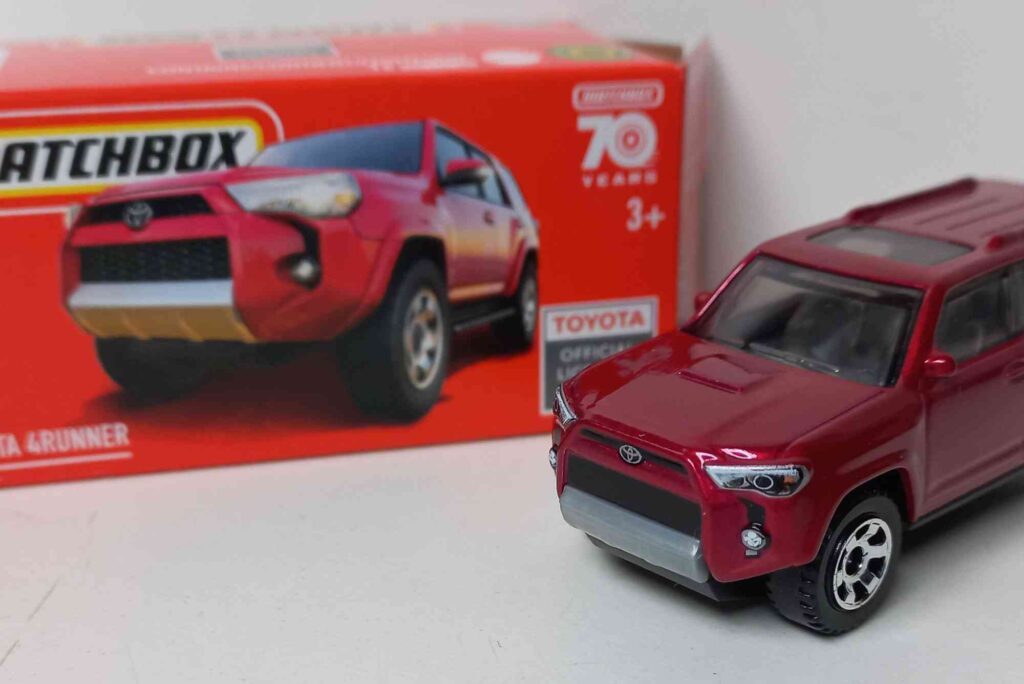
Strong imagery sells. Illustrations or photos of your toy car in action create visual excitement and give customers an emotional connection to the product. Vibrant colours, dynamic layouts, and context‑driven scenes can inspire children’s imaginations and influence purchasing decisions. Visuals should align with your brand identity and appeal directly to your target audience’s preferences.
Transparency and Interaction
Many toy boxes incorporate clear windows so buyers can see the product within. This simple feature builds trust, reduces hesitation, and enhances the unboxing experience. When feasible, elements such as pull tabs, flip‑open panels, and reveal features make opening the box part of the play journey itself.
Designs that invite interaction often lead to stronger emotional engagement and customer satisfaction, encouraging repeat business and positive reviews.
Durable, Sustainable Materials
While aesthetics are crucial, practical considerations like material strength and sustainability are equally important. Packaging must protect the toy car during shipping and in‑store handling. Select sturdy yet eco‑friendly materials that reflect thoughtful brand values.
Consumers today are increasingly conscious of environmental impact. Using recyclable or biodegradable materials can elevate your brand’s reputation and resonate with eco‑aware buyers.
Regulatory and Safety Information
Parents seek reassurance that toys meet industry safety standards. Clear placement of safety icons, age recommendations, and compliance labels instils confidence and reduces the risk of returns or complaints. Ensure this information is visible but doesn’t detract from your brand’s storytelling or aesthetic appeal.
The Creative Process: From Concept to Final Design
Designing a successful Toy Car Box Design starts with inspiration and ends with refinement.
Research and Ideation
Begin with market research. Study competitor packaging and identify gaps or opportunities to differentiate. Engage with kids and parents through informal testing sessions or feedback groups. Their responses can guide creative directions and avoid costly design missteps.
Sketch initial ideas focusing on layout, colours schemes, and key messages. This stage is about exploration — don’t restrict creativity too early.
Prototyping and Testing
Once you have promising design concepts, create prototypes. Mockups help assess how the design functions in the real world. Does the box open intuitively? Can the toy slide in easily without damage? How do the graphics look under store lighting?
Conduct tests with real users whenever possible. Observing reactions gives you valuable insight into what works and what doesn’t.
Refinement and Final Production
With feedback in hand, refine the design. Adjust colours, tweak messaging, and optimise material choice. Before moving to full production, run a small batch print to check colours accuracy, structural integrity, and overall appeal. This iteration phase ensures that the final product aligns with your vision and customer expectations.
Practical Design Tips to Elevate Your Packaging
Crafting excellent Toy Car Box Design takes both creativity and strategic thinking. While the design process differs for every brand, a few practical tips can help you avoid common pitfalls and enhance overall quality.
Firstly, simplicity often wins. Avoid overcrowding the box with too much text or imagery. Let the product shine and balance visual elements so the design feels natural and inviting. Secondly, pay attention to typography — legible, well‑spaced fonts improve readability and professionalism. Thirdly, don’t overlook the power of colours psychology. Warm, vibrant colours evoke excitement, while cool, muted tones communicate sophistication and trust.
If you need foundational knowledge on design principles, exploring expert box design tips online can inspire and inform your creative decisions.
The Role of Customisation in Toy Car Packaging
Customisation can make your Toy Car Box Design truly memorable. Brands often leverage custom shapes, bespoke inserts, or interactive features that match the theme of the toy car. For example, a box shaped like a garage or racetrack reinforces play value while providing functional storage.
Working with experienced packaging partners enables you to experiment with various customisations. Whether you need a bold redesign or structural packaging innovation, Custom Boxes tailored to your toy model and brand personality will set you apart from competitors.
Sustainable Packaging: Meeting Consumer Expectations
As consumer awareness around environmental issues grows, sustainable packaging has become a differentiator. Choosing recyclable materials, minimising plastic use, and communicating your green efforts on the box itself strengthens brand trust. Sustainable design demonstrates responsibility and appeals to parents who prioritise ethical purchases for their children.
Reduce waste by opting for compostable inks and minimal packaging without sacrificing structural quality. This approach respects the environment while maintaining the integrity and play experience of your Toy Car Box Design.
Balancing Cost and Quality
Packaging budgets can vary widely between startups and established brands. Efficient Toy Car Box Design should meet quality expectations without overspending unnecessarily. Bulk printing, smart material choices, and strategic design simplifications can help manage costs. At the same time, cutting corners on structural quality or branding elements may negatively impact consumer perception.
Work closely with packaging manufacturers to find solutions that balance durability, aesthetics, and cost‑effectiveness. Often, small design adjustments deliver significant savings without compromising overall impact.
How Packaging Design Influences Sales and Brand Loyalty
Consumers make purchases based on emotion and rational thinking. Packaging plays directly into this decision‑making. When your box design is attractive and functional, it increases perceived value and fosters a positive unboxing experience. This emotional resonance encourages repeat purchases and word‑of‑mouth recommendations.
Moreover, memorable packaging contributes to brand recall. Customers who remember your toy car brand are more likely to return for future products or explore additional offerings.
Final Thoughts on Toy Car Box Design
Creating an outstanding Toy Car Box Design requires thoughtful strategy, creativity, and user‑centric thinking. By understanding your audience, focusing on core design elements, and choosing quality materials, you can elevate your packaging from functional to exceptional.
Great packaging not only protects your product — it tells a story, builds trust, and creates joy. When executed well, it becomes a powerful marketing tool that boosts visibility and drives sales.
If you’re ready to improve your packaging game, start exploring design resources and partner with experienced professionals. Remember, packaging is more than a container — it’s the first chapter of your customer’s experience.
Want to Make Your Toy Car Packaging Stand Out?
Let’s help you design packaging that sells. Contact us today to explore custom solutions and elevate your brand’s appeal. Visit our Buddy Packaging Location to get started and see real samples that inspire your next great design.
Frequently Asked Questions
What are the key elements of a successful Toy Car Box Design?
A successful design combines engaging visuals, clear branding, protective structure, and relevant information. It should appeal to both children and buyers while aligning with your brand’s story.
How can I make my toy car packaging more sustainable?
Choose recyclable or biodegradable materials, reduce unnecessary plastic, and communicate your eco‑friendly approach on the box. Sustainable packaging resonates with modern consumers and supports environmental goals.
Should a toy car box include a window to see the product?
Transparent windows often improve buyer confidence by letting them see the product before purchase. This feature enhances trust and can increase sales, particularly for visually appealing toys.
How much does custom packaging cost for toy cars?
Costs vary by material, complexity, and order quantity. Simplifying design, choosing cost‑effective materials, and ordering in bulk can manage expenses without compromising quality.
Where can I find help with Toy Car Box Design?
You can work with professional designers or packaging specialists who understand toy markets. Explore trusted partners who can provide both structural and visual design expertise.