Introduction
In today’s competitive toy market, toy box packaging design plays a crucial role in capturing attention and influencing buying decisions. Children are naturally drawn to bright colours and fun visuals, while parents look for safety, durability, and value. A well-designed toy box bridges both needs, making your product stand out on crowded shelves and online marketplaces.
Whether you are launching a new toy brand or refreshing your existing packaging, understanding the elements of effective toy box packaging design can significantly impact your sales and brand identity.
Why Toy Box Packaging Design Matters
First Impressions Drive Sales
Your packaging is often the first interaction customers have with your product. A visually appealing toy box can instantly attract both kids and parents, increasing the likelihood of purchase.
Builds Brand Identity
Consistent packaging helps establish brand recognition. When customers repeatedly see your unique colours, fonts, and design style, it builds trust and loyalty.
Enhances Product Perception
Premium packaging can make even a simple toy feel high-quality and valuable. On the other hand, poor packaging may lead customers to assume the product is low quality.
Key Elements of Effective Toy Box Packaging Design
Colour Psychology
Colours are powerful, especially in the toy industry.
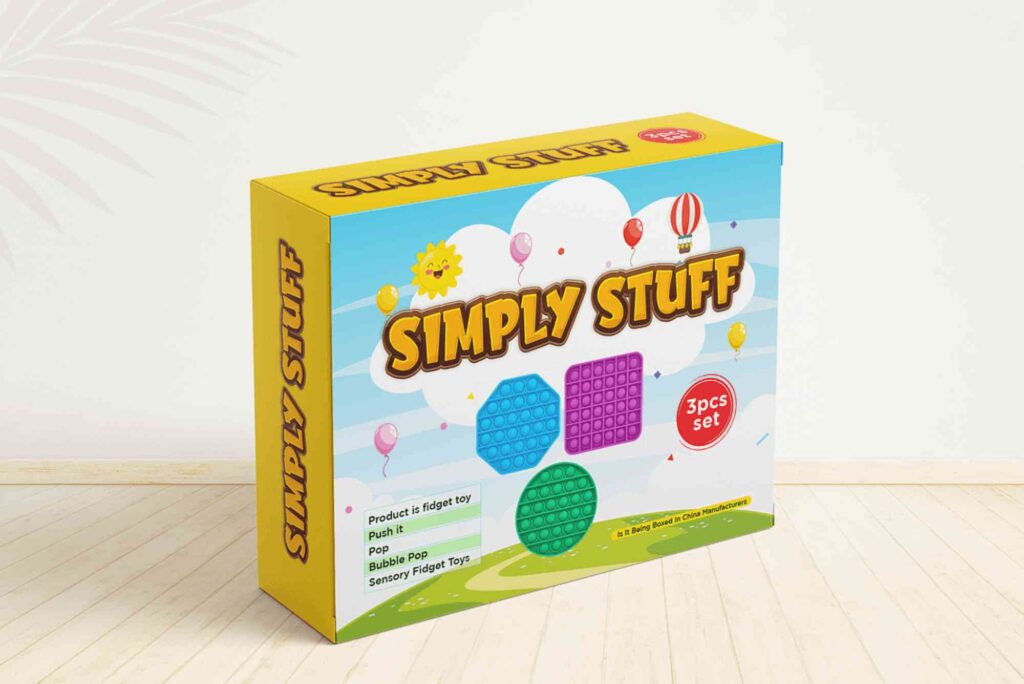
- Bright colours like red, yellow, and blue attract children
- Soft tones appeal to parents looking for educational toys
- Consistent colour palettes reinforce branding
Typography That Speaks
Fonts should be easy to read yet playful.
- Use bold fonts for product names
- Include fun, child-friendly typography
- Ensure clarity for parents reading product details
Imagery and Graphics
High-quality images and illustrations are essential.
- Show the toy in use
- Include happy children playing with the toy
- Use illustrations for fantasy or creative toys
Clear Product Information
Parents want transparency.
- Age recommendations
- Safety warnings
- Features and benefits
Types of Toy Box Packaging Design
Window Boxes
These allow customers to see the toy inside, building trust and excitement.
Rigid Boxes
Perfect for premium toys, offering durability and a luxury feel.
Foldable Cartons
Cost-effective and widely used, ideal for mass production.
Eco-Friendly Packaging
Sustainable packaging is increasingly important for modern consumers.
Designing Toy Packaging for Different Age Groups
Toddlers (0–3 Years)
- Soft colours and simple designs
- Large fonts for readability
- Safety-focused messaging
Kids (4–8 Years)
- Bright colours and cartoon characters
- Interactive packaging elements
- Fun and engaging visuals
Older Kids (9–12 Years)
- Sleek and modern design
- Product-focused visuals
- Minimalistic but appealing style
Trends in Toy Box Packaging Design
Sustainable Packaging
Eco-conscious parents prefer recyclable and biodegradable materials. Using sustainable packaging can enhance your brand reputation.
Interactive Packaging
Adding puzzles, QR codes, or games on the box makes it more engaging and memorable.
Minimalist Design
Clean and simple designs are becoming popular, especially for educational and premium toys.
Personalised Packaging
Custom names or themes can create a unique customer experience.
Materials Used in Toy Box Packaging
Cardboard
Lightweight, affordable, and versatile, making it the most common choice.
Corrugated Boxes
Stronger and ideal for shipping and protection.
Kraft Paper
Eco-friendly and trendy, often used for sustainable brands.
How Custom Packaging Boosts Your Brand
Investing in toy box packaging design tailored to your brand can significantly improve customer perception and sales.
For example, using Custom Boxes helps businesses create unique packaging that aligns with their branding and marketing goals. Custom packaging allows you to experiment with shapes, colours, and finishes that set your product apart from competitors.
Finding Creative Ideas for Packaging
If you’re struggling with creativity, exploring box design inspiration can help you discover fresh ideas and trends. Studying successful packaging designs can guide your decisions and spark innovation.
Importance of Packaging Location and Accessibility
For businesses looking to scale or collaborate, knowing the Buddy Packaging Location can be beneficial. Accessibility to reliable packaging providers ensures consistent quality and faster production timelines.
Tips for Creating High-Converting Toy Box Packaging Design
Focus on the Target Audience
Understand whether your primary audience is children, parents, or both.
Keep It Simple Yet Engaging
Avoid clutter. A clean design with a strong focal point works best.
Highlight Unique Selling Points
Clearly communicate what makes your toy special.
Ensure Durability
Packaging should protect the toy during shipping and handling.
Test Before Finalizing
Gather feedback from real users to refine your design.
Common Mistakes to Avoid
Overloading the Design
Too many elements can confuse customers.
Ignoring Safety Information
Missing or unclear safety details can reduce trust.
Poor Quality Printing
Low-quality visuals can harm your brand image.
Lack of Branding
Inconsistent design weakens brand recognition.
Future of Toy Box Packaging Design
The future of toy box packaging design lies in innovation and sustainability. Brands are increasingly focusing on:
- Smart packaging with augmented reality
- Reusable packaging concepts
- Eco-friendly materials
- Enhanced user experience
Businesses that adapt to these trends will stay ahead in the competitive toy industry.
A well-crafted toy box packaging design is more than just a container—it’s a powerful marketing tool that influences purchasing decisions, builds brand identity, and enhances customer experience. By focusing on creativity, functionality, and sustainability, you can create packaging that not only attracts attention but also drives long-term success.
If you want to elevate your product presentation and stand out in the market, investing in professional packaging solutions is the way forward. Start designing smarter packaging today and watch your toy brand grow.
FAQs
What makes a good toy box packaging design?
A good design combines attractive visuals, clear information, durability, and branding. It should appeal to both children and parents.
How important is packaging in the toy industry?
Packaging is extremely important as it influences buying decisions and creates the first impression of the product.
What materials are best for toy packaging?
Cardboard, corrugated boxes, and eco-friendly kraft paper are commonly used due to their durability and sustainability.
How can I make my toy packaging eco-friendly?
Use recyclable materials, reduce plastic usage, and opt for biodegradable packaging solutions.
Why should I invest in custom toy packaging?
Custom packaging helps differentiate your brand, improve customer experience, and increase product visibility in the market.