When it comes to creating custom apparel that resonates with a community, a thoughtful T shirt printing design template can make all the difference. For fitness enthusiasts and brand advocates of Orange Theory Mountain View, a memorable shirt design does more than look great — it fosters belonging and inspires pride. This guide explores how to craft an effective Tee template, breaking down creative strategies, practical tips, and action‑ready advice that helps both designers and small business owners succeed.
Designing for a specific audience — like members of a local fitness studio — requires clarity and insight. You need a balance of creativity and practical understanding of the printing process. Whether you are a seasoned designer or a beginner creating your first template, this blog post will lead you through every essential step. And you’ll walk away with ideas that elevate your shirts from simple merchandise into wearable statements of identity.
Understanding the Value of a Design Template
A well‑crafted design template is more than just aesthetics. It sets up your project for success. Templates ensure consistency across sizes, colours, and printing methods. They act as a blueprint that keeps your artwork aligned with brand identity while allowing space for creativity.
Templates help you work faster. Instead of starting from scratch each time, you reuse layouts and elements proven to work. This accelerates your workflow and prevents avoidable mistakes such as incorrect bleed or resolution issues. Most printers require specific file formats and dimensions. Knowing these in advance saves time and enhances the quality of printed results.
For community brands like Orange Theory Mountain View, strong design templates reinforce brand values and create a sense of unity among members. The next sections explore how to create templates tailored for this audience.
Start with Audience Insight
Understanding who you are designing for is the first creative step. Orange Theory Mountain View members tend to value energy, progress, and community. They gather for workouts that feel rewarding and shared. Their apparel should reflect that spirit. Think of design elements that reflect movement, strength, and local community pride.
Take time to research what resonates with fitness communities. Trends often include bold fonts, motivational phrases, and imagery inspired by athletic movement. Colours matter too — strong hues that match Orange Theory’s palette help create brand recognition. A successful design template starts with insight into motivations and values, not just pretty graphics.
Choosing the Right Style and Theme
Every great design starts with a clear vision of style and theme. Your theme should speak to both fitness and the local vibe of Mountain View. Consider how adventurous and dynamic Mountain View culture is and channel that into the artwork. A cohesive theme gives your T shirt printing design template a unified voice.
Bold typography is often effective for fitness shirts. Fonts that suggest energy and motion help convey a sense of momentum. Combine these with iconic shapes or silhouettes that reference workout movements. These choices help the shirt feel relevant and intentional. When selecting your theme, balance originality with recognisable visual cues that resonate with your audience.
Technical Fundamentals of a High‑Quality Template
Great design is not only about appearance; it’s also technical. A functional template must consider file resolution, colours mode, and safe area margins. Printing demands high‑quality files. Low resolution or improper formatting leads to blurry or pixelated prints.
Always design in vector whenever possible. Vector graphics scale without losing quality, making them ideal for logos and text‑based designs. Set your artboard to at least 300 DPI (dots per inch). Use CMYK colours mode, as it matches most printing processes better than RGB. A smart design template protects key elements within safe margins so they never get cut off during printing.
If you need insights into material choices, production steps, and finishing options, check out print & finishing insights to deepen your understanding of what makes designs print well.
Creating a Balanced Composition
Your layout should guide the eye naturally. Avoid crowding every space with text and graphics. Give elements space to breathe. A balanced composition builds visual hierarchy — that means important parts like the name “Orange Theory Mountain View” or a key graphic should stand out first.
Think like a viewer. What do you want them to see first, second, and third? Use scale and contrast to emphasise key elements. Keep secondary elements smaller or subtler. Good balance makes your design easier to read and more appealing on different shirt sizes.
Choosing Colours That Pop
Colours isn’t just decoration — it influences mood and legibility. For an Orange Theory Mountain View T shirt printing design template, strong and energetic colours work well. Orange is an obvious choice, but pairing it with neutral tones like black, white, or grey adds contrast and sophistication.
Make sure your chosen colours translate well to fabric. Some bright colours may appear differently on cotton or polyester blends. Test prints or digital mockups help you visualise the final outcome before production. Also, keep accessibility in mind. High contrast improves readability, especially from a distance.
Typography: Make It Readable and Stylish
Typography plays a central role in any shirt design. Your choice of fonts affects both style and clarity. For fitness themes, bold sans serif fonts are often preferred. They feel modern, Buddy Packaging Location energetic, and easy to read. Script fonts may add personality, but use them sparingly to avoid confusing messages.
Be intentional with spacing and alignment. Tight spacing can make text appear cluttered, while too much space can disconnect words from your design. Align text to work harmoniously with graphics. This thoughtful approach results in typography that feels both stylish and functional.
Incorporating Symbolism and Graphics
Graphics can elevate a shirt design beyond mere words. Think about movement‑inspired shapes, abstract patterns, or simplified illustrated icons that hint at fitness and energy. Silhouettes of runners, heartbeat lines, or mountain peaks can visually support the idea of personal achievement and local pride.
Keep graphics simple and bold. Fine details often get lost when printed on fabric. Simple shapes reproduce cleanly and maintain visual impact at any distance.
Mockups: See Before You Print
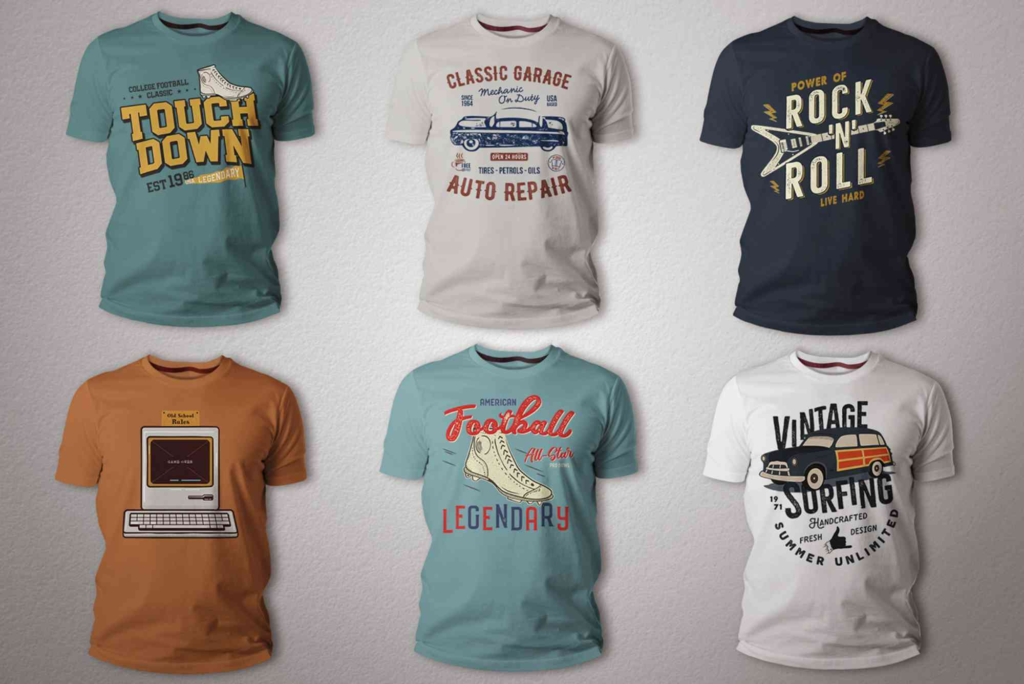
Before you commit to production, create realistic mockups of your design on tees. Digital mockups help you visualise the final product and catch issues early. Use mockups with different shirt colours to ensure your design maintains good contrast and readability. Mockups are also effective tools for sharing with clients, members, or your team for feedback.
This step bridges the gap between concept and reality. It saves time and money by reducing mis‑prints and fragmented expectations. A great mockup reflects how the finished shirt will look on a real garment.
Printing Methods to Consider
Different printing techniques affect how your T shirt printing design template should be prepared. Screen printing remains a popular choice for bold, long‑lasting prints. It excels with solid colours and simple designs. Direct‑to‑Garment (DTG) works well for complex graphics and gradients. Heat transfer offers flexibility for small runs or special effects like metallic finishes.
Each method has advantages and limitations. Choose the one that best matches your design and budget. For instance, screen printing is cost‑effective at scale, while DTG suits detailed, multi‑colours art. Consider discussing production needs with your printer before finalising the template.
Material Matters: Fabric and Feel
The shirt’s fabric influences the print’s appearance and feel. Popular choices include 100% cotton for softness and breathability or cotton‑poly blends for durability and stretch. Performance fabrics are ideal for athletic wear because they wick moisture and stay comfortable during workouts.
Your template should account for fabric texture. Some printing methods work better on smooth surfaces, while others handle textured materials with ease. Understand the end use of the shirts. Will they be worn during workouts, casually, or at events? Material choice affects both comfort and print fidelity.
Legal and Trademark Considerations
When designing merchandise tied to a well‑known brand like Orange Theory, be mindful of trademarks and usage rights. Ensure that you have permission to use brand names, logos, or other protected elements. Creating original elements inspired by the brand’s spirit is a safer approach if permission isn’t granted.
Respecting legal guidelines protects your project and builds trust with clients. It demonstrates professionalism and attention to detail — key tenets of Google’s E‑E‑A‑T guidelines for credible content and design practice.
Printing, Proofing, and Quality Checks
Once the template is finalised, the real work begins: printing and quality control. Always request a proof from your printer. A physical sample or pre‑production print helps catch issues that might not show on screen. Check colours accuracy, alignment, and material feel.
Proofing isn’t optional — it’s essential. It confirms that your design translates well from a digital file to a physical garment. A proof also helps you adjust small issues before committing to a full run, saving time and money while ensuring satisfaction.
How to Prepare Your Template for Production
Finalising your template means organising files clearly. Label layers, include bleed and safe zones, and convert text to outlines. Provide printers with the exact specifications they need. Embed colours profiles and include any notes on garment colours or special instructions.
Clear labelling and instructions reduce chances for errors. When every detail is documented, production flows smoothly. This level of care reflects expertise, builds confidence with clients or team members, and improves print quality.
Sharing and Marketing Your Shirt Design
Once your tees are printed, the work of sharing and marketing begins. Use social media to showcase members wearing the shirts. Capture photos and short videos of real people enjoying their workouts while sporting the designs. Authentic content resonates more than staged ads.
You can also create a lookbook or feature highlights on your website. Encourage members to post their own photos and tag your location or brand. For more creative commerce ideas like product packaging and presentation, explore Custom Packaging options, which help your merchandise feel premium from first glance to delivery.
Make It Meaningful and Memorable
Crafting a successful Orange Theory Mountain View T shirt printing design template requires a blend of creativity, technical skill, and audience awareness. Start by understanding your audience, refine your theme, choose the right materials and colours, and always proof before you print. Thoughtful execution translates good ideas into shirts people love to wear.
Great design connects emotionally. When your audience feels understood and represented, your shirts become more than merchandise — they become symbols of shared identity. That’s why investing time into your template upfront pays dividends in both quality and impact.
FAQ: Your Real Questions Answered
What file format is best for a T shirt printing design template?
The most reliable file formats include vector files like AI or EPS, and high‑resolution PDFs. These ensure crisp prints and easy scaling. JPG or PNG can work for simpler images, but make sure they are at least 300 DPI.
How can I make my design stand out without overcomplicating it?
Focus on bold typography and clean shapes. Use contrast smartly and avoid clutter. A simple, powerful message often wins over busy graphics.
What’s the difference between screen printing and DTG?
Screen printing uses stencils for each colours and excels at bold solid designs. DTG prints directly onto fabric and handles detailed images and gradients better. Both have places depending on your design needs and budget.
Can I use trademarked Orange Theory elements in my design?
Only if you have permission. Using trademarked names or logos without rights can lead to legal issues. Create original graphics inspired by the brand’s essence instead.
How do I ensure the colours in my design match the final print?
Request a test print or proof. Colours on screen often differ from fabric results. Physical proofs let you adjust colours before full production.