Introduction
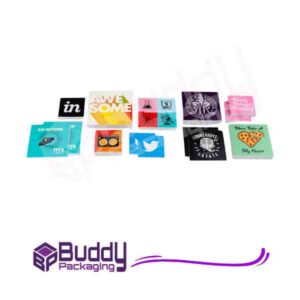
Stickers are one of the most versatile tools for branding, marketing, and personal expression. From product labels to decorative art, stickers play a vital role in connecting with audiences visually. Businesses use them to boost brand awareness, while individuals often see them as a creative outlet. Understanding the world of sticker design and print is essential if you want to create stickers that stand out, last long, and deliver the message effectively. This comprehensive guide will take you through the process of designing and printing stickers, sharing expert insights, practical advice, and professional strategies to help you make the most out of your sticker projects.
Why Sticker Design and Print Matters
The power of stickers lies in their simplicity and adaptability. They can be promotional, functional, or decorative. Whether you are a small business owner trying to brand your packaging or a designer exploring artistic expression, stickers are inexpensive yet impactful. A well-executed sticker design combined with quality printing elevates the overall perception of your product or brand. Poorly designed or badly printed stickers, on the other hand, may undermine credibility and fail to capture attention. This is why the relationship between design and print cannot be overlooked.
Key Elements of Effective Sticker Design and Print
The design and print stages go hand in hand. Each affects the final outcome, and both require careful attention.
Visual Clarity and Readability
The first rule of successful sticker design is clarity. Stickers are often viewed from a short distance, which means text and graphics must be legible. Fonts should be bold and easy to read, while colours should contrast well for better visibility. Avoid cluttering the design with too many elements. A simple, striking design will leave a stronger impression.
Choosing the Right Colours
Colour psychology plays an important role in sticker design. Bright and bold colours often attract attention, while muted tones can deliver sophistication and elegance. It is important to remember that colours can shift during printing if not properly calibrated. Always use CMYK colour settings to ensure accurate results in print.
Material and Finish Options
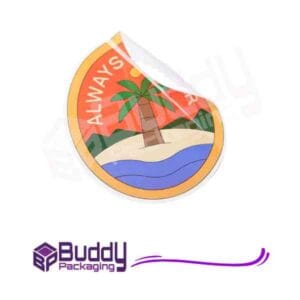
The material and finish of a sticker greatly influence its durability and look. Matte finishes work best for a subtle, premium appearance, while glossy finishes enhance vibrancy and shine. Vinyl stickers are durable, waterproof, and ideal for outdoor use. Paper stickers are cost-effective and suitable for indoor applications. Clear stickers, on the other hand, create a seamless, professional effect when applied to surfaces like glass.
Size and Shape Considerations
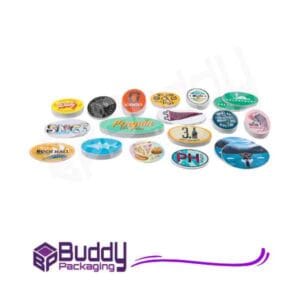
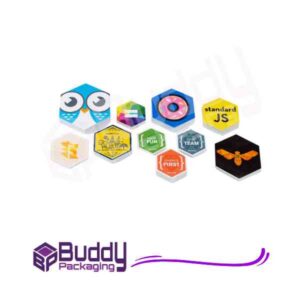
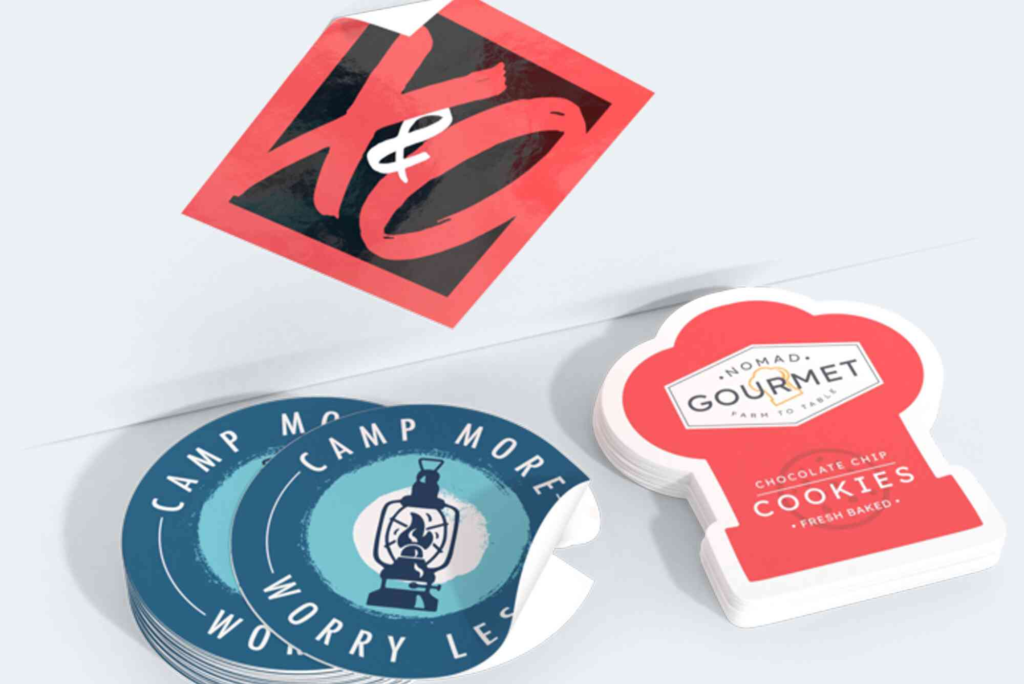
Size and shape must be determined by the intended use of the sticker. Round stickers work well for logos, while rectangular or square designs suit product labeling. Custom die-cut shapes can make stickers more unique and visually appealing. However, the complexity of the shape may increase printing costs.
The Process of Sticker Printing
Once your design is ready, printing brings it to life. Understanding different printing methods helps you choose the one that matches your goals and budget.
Digital Printing
Digital printing is perfect for small to medium sticker runs. It allows quick turnaround, high-quality output, and flexibility in designs. Digital printers can handle complex graphics and gradients with ease, making them ideal for creative projects.
Offset Printing
Offset printing is cost-effective for large sticker quantities. It provides sharp details and consistent colours, but setup costs are higher compared to digital printing. If you need thousands of stickers, this method can save money in the long run.
Screen Printing
Screen printing uses layers of ink applied through a mesh screen. It is excellent for vibrant colours and durability, especially for outdoor use. This method is labor-intensive but provides a premium look and feel.
Specialty Printing Techniques
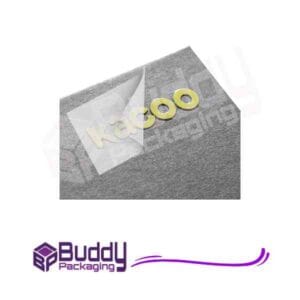
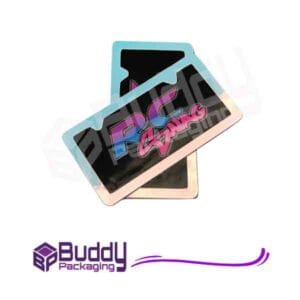
Foil stamping, embossing, and holographic effects can make stickers more eye-catching. Though they cost more, they are perfect for luxury products and high-impact branding campaigns.
Practical Sticker Design Tips for Beginners
Designing a sticker may seem simple, but there are creative strategies that can elevate your work. If you’re new to design, using reliable sticker design tips can guide you in mastering layout, typography, and visual hierarchy. Always start with a clear purpose. Do you want to promote, inform, or decorate? Once you have a goal, align your design with that objective. Consistency in fonts, colours, and style will ensure professional results.
Branding with Stickers
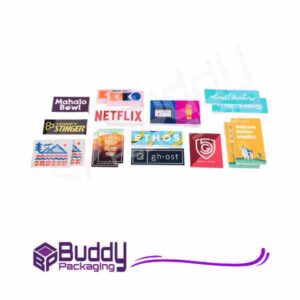
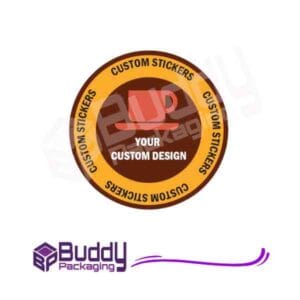
Stickers are not just fun—they are powerful branding tools. Businesses often use Custom Stickers to personalize packaging, seal envelopes, or hand out at events. A creative sticker can travel beyond its original location, turning customers into brand ambassadors. Imagine a stylish laptop sticker with your logo—it keeps your brand visible in public spaces. Stickers also add a personal touch that digital ads cannot replicate, helping businesses connect emotionally with their audiences.
Common Mistakes to Avoid in Sticker Design and Print
Many first-time designers make mistakes that compromise sticker quality. Avoid using low-resolution images, as they will look pixelated in print. Ensure proper margins and safe zones to prevent text or logos from being cut off. Do not rely solely on RGB colour values, as they can produce unexpected results in CMYK printing. Additionally, test the durability of materials before ordering large batches, especially if stickers will be exposed to outdoor conditions.
Eco-Friendly Sticker Printing
Sustainability is becoming a key concern in design and print. Eco-friendly stickers are made from recyclable materials, biodegradable adhesives, and water-based inks. Brands that prioritize sustainability not only reduce their environmental footprint but also appeal to conscious consumers. If your business promotes eco-friendliness, align your sticker production with that mission to strengthen your brand image.
Sticker Applications in Everyday Life
The uses of stickers extend far beyond business. They are found in education, events, art, and personal expression. Teachers use stickers as rewards for students. Event organizers create limited-edition stickers to boost engagement. Artists design stickers to showcase their style and earn additional income. Even planners and journals often include decorative stickers to enhance organization. This versatility is what makes stickers such a powerful and enduring medium.
FAQs
What is the best software for sticker design?
Popular choices include Adobe Illustrator, Photoshop, and Canva. Illustrator is best for vector designs, ensuring scalability and precision.
How do I choose the right size for my stickers?
Consider the application. For product labels, measure the packaging surface. For promotional stickers, opt for sizes that balance visibility with cost-effectiveness.
Which is better: matte or glossy stickers?
Matte stickers offer a subtle, elegant look, while glossy stickers are vibrant and eye-catching. The choice depends on your brand’s style and purpose.
How durable are vinyl stickers?
Vinyl stickers are highly durable, water-resistant, and UV-resistant, making them suitable for outdoor use and long-lasting applications.
Can I print stickers at home?
Yes, if you have a high-quality printer and sticker paper. However, professional printing ensures better quality, durability, and finishing options.
Stickers may be small, but their impact is powerful. From concept to final print, every detail matters in creating designs that resonate. Investing time in understanding design principles, material options, and printing methods ensures that your stickers are not just visually appealing but also durable and purposeful. Whether you are a business owner looking to expand your brand reach or a creative individual expressing your art, mastering the balance of sticker design and print is key to success.