Step-by-Step Guide to Designing Custom Cardboard Packaging Boxes
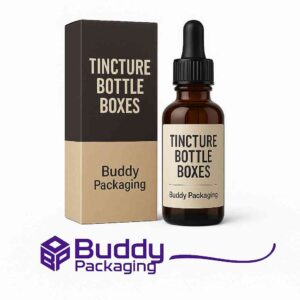
Custom packaging plays a vital role in enhancing brand identity and improving customer experience. Designing custom cardboard packaging boxes is more than just creating a container; it is about blending functionality, aesthetics, and brand messaging. In this comprehensive guide, we will walk you through every step to design packaging that is both practical and visually appealing.
Understanding the Importance of Custom Cardboard Boxes
Why Custom Packaging Matters
Custom cardboard boxes help businesses stand out in a competitive market. They provide an immediate impression of quality and professionalism. Using tailored packaging also ensures products are well-protected during transit, reducing returns and damage claims.
Enhancing Brand Identity
Packaging serves as a silent salesperson. Custom designs with logos, brand colours, and messaging communicate your brand values directly to the customer. Well-designed boxes can make unboxing an experience, encouraging repeat purchases and social sharing.
Identify Your Packaging Needs
Consider Product Dimensions
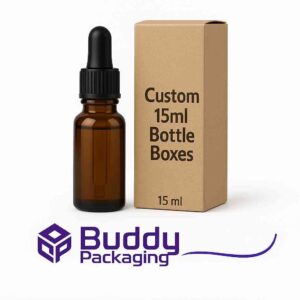
Start by measuring the product accurately. The box should fit snugly to prevent movement but leave space for protective inserts like bubble wrap or foam.
Assess Protection Requirements
Determine the level of protection needed. Fragile items may require double-walled cardboard, while durable products might only need a single wall.
Define Quantity and Budget
Your packaging design should consider production volume. Larger orders often reduce cost per box. Budget constraints will influence material, printing method, and complexity of design.
Choose the Right Material
Types of Cardboard
Corrugated cardboard is ideal for heavy or fragile items. Solid board works well for lightweight products or retail display boxes. Selecting the right material ensures durability and customer satisfaction.
Sustainability Considerations
Eco-friendly options are increasingly popular. Recycled cardboard or biodegradable inks help reduce environmental impact and appeal to conscious consumers.
Weight and Cost Balance
Consider the balance between sturdiness and cost. Lightweight materials reduce shipping fees, but they must still offer adequate protection.
Select the Box Style
Common Box Types
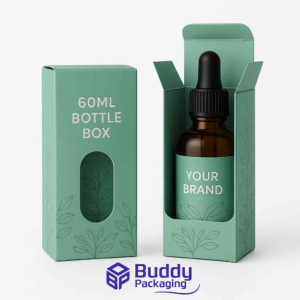
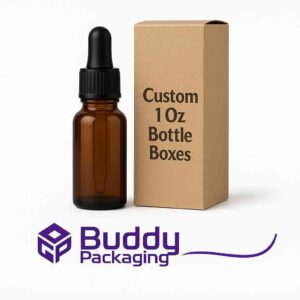
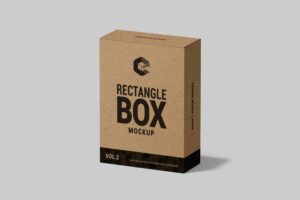
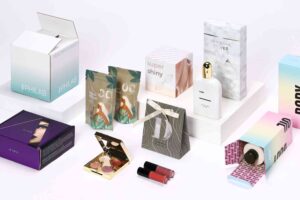
Different products require different box types. Some popular styles include tuck-end, mailer, sleeve, and rigid boxes. Each style offers unique benefits in usability and presentation.
Functional Design
Consider ease of opening, storage, and stacking. Functional designs not only protect products but also improve user experience.
Customisation Options
Adding features like handles, compartments, or inserts enhances usability. These small details can significantly impact customer satisfaction.
Develop Your Branding Design
Logo Placement and Typography
Position your logo strategically for maximum visibility. Choose fonts that align with your brand identity, keeping readability in mind.
Colour Palette Selection
Colours evoke emotions and help with brand recognition. Maintain consistency with your overall branding to create a professional look.
Visual Elements
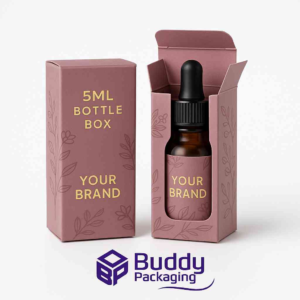
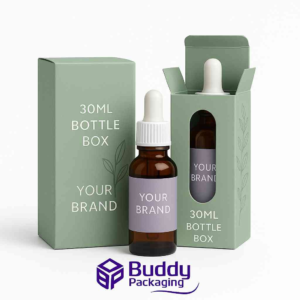
Incorporate patterns, graphics, or illustrations that complement your product and brand story. Avoid cluttering the box to maintain a clean and appealing design.
Step 5: Choose Printing Techniques
Digital Printing
Digital printing is ideal for short runs or highly detailed designs. It allows vibrant colours and precise graphics with minimal setup costs.
Offset Printing
Offset printing works well for larger quantities and provides high-quality results at lower cost per unit.
Special Finishes
Consider finishes like embossing, foil stamping, or matte/coated lamination to elevate the unboxing experience.
Prototype and Test
Create a Sample Box
Before full production, create a prototype to evaluate design, fit, and functionality.
Test Durability
Assess how well the box protects your product during handling, storage, and shipping. Adjust materials or design if necessary.
Gather Feedback
Involve staff or customers in testing. Buddy Packaging Location Feedback helps refine design choices and ensures the final product meets expectations.
Final Production and Quality Control
Select a Reliable Manufacturer
Choose a trusted supplier with experience in custom packaging production. Quality and reliability are essential to maintain brand reputation.
Inspect Production Samples
Check colour accuracy, material quality, and printing clarity. Consistency is crucial across all boxes.
Monitor Delivery and Packaging Integrity
Ensure the boxes are delivered without damage and meet your specifications. Proper handling prevents delays or defects reaching customers.
Use Packaging as a Marketing Tool
Enhance Unboxing Experience
Include personalised notes, branded tissue paper, or small gifts to delight customers. Memorable unboxing experiences can lead to social media sharing and repeat business.
Align Packaging with Brand Strategy
Every aspect, from material choice to visual design, should reinforce brand identity. Cohesive branding strengthens customer recognition and loyalty.
Track Customer Feedback
Monitor customer reactions to packaging through reviews or surveys. Insights can inform future design improvements.
FAQs About Designing Custom Cardboard Packaging Boxes
What is the best material for custom cardboard boxes?
Corrugated cardboard is durable for heavy or fragile items, while solid board works for retail display and lightweight products.
How can I make my packaging eco-friendly?
Use recycled cardboard, biodegradable inks, and minimise excess packaging to reduce environmental impact.
What printing method is suitable for small runs?
Digital printing is ideal for short production runs with vibrant colours and precise designs.
Can packaging improve brand recognition?
Yes, consistent colours, logos, and designs strengthen brand identity and make products instantly recognisable.
Where can I order high-quality custom cardboard boxes in the UK?
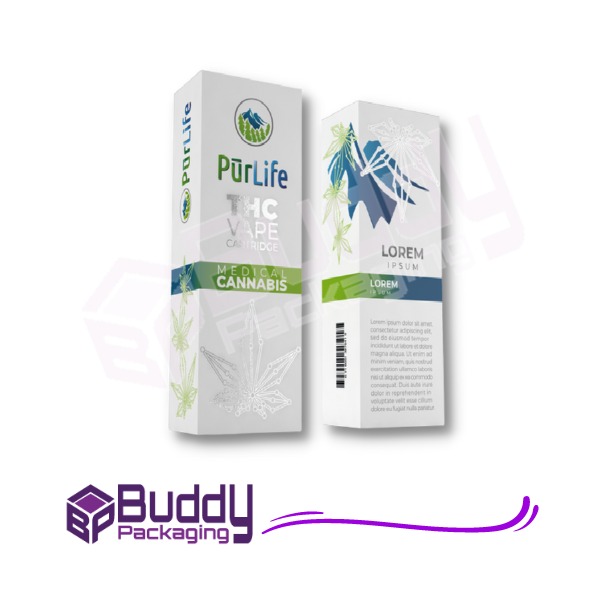
Partner with trusted suppliers like Buddy Packaging UK for expert guidance and reliable production. You can also check their Buddy Packaging Location to find the nearest facility.
How do I test if my box design works?
Create a prototype, test durability, fit, and usability, and gather feedback from staff or customers before mass production.
Designing custom cardboard packaging boxes requires careful planning, creative design, and quality testing. Following a step-by-step approach ensures your packaging not only protects products but also enhances brand recognition and customer satisfaction.
custom cardboard boxes are more than containers—they are a marketing tool that communicates quality and builds loyalty. Start designing your packaging today and elevate your brand experience. For high-quality solutions, consult experts like Buddy Packaging UK, and explore their Buddy Packaging Location for support.