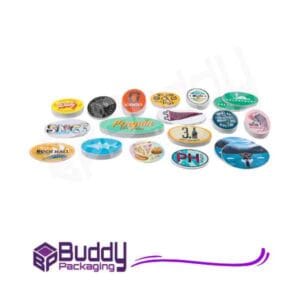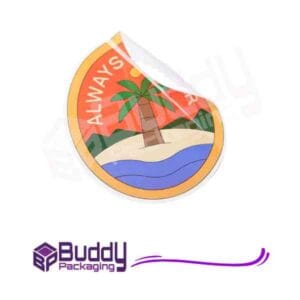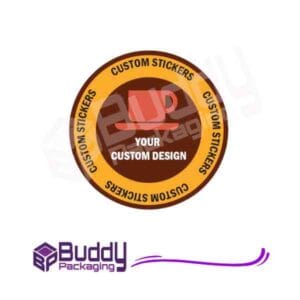
Soap label design ideas play a powerful role in how customers perceive your product. A label is often the first interaction someone has with your soap brand. It communicates quality, values, and personality within seconds. In today’s competitive handmade and commercial soap market, thoughtful label design is no longer optional. It is essential for trust, compliance, and long-term brand growth.
When done well, soap label design blends creativity with clarity. It attracts attention while still sharing vital information. This guide explores practical, experience-led soap label design ideas that help brands stand out, comply with regulations, and connect emotionally with buyers.
Why Soap Label Design Matters More Than Ever
Soap buyers today are informed and selective. They read labels carefully before purchasing. A poorly designed label can signal low quality, even if the soap itself is excellent. On the other hand, a strong label builds credibility and emotional appeal instantly.
Design also influences how customers remember your brand. Colours, fonts, and layouts shape perception. For example, minimal designs suggest purity and luxury. Bold colours can feel energetic and modern. When your label aligns with your product promise, customers trust you more easily.
Search trends show growing interest in sustainable, organic, and artisan soaps. Your label must reflect these values clearly. This is where well-researched soap label design ideas make a measurable difference.
Understanding Your Target Audience First
Before choosing colours or fonts, you must understand who your soap is for. A family-friendly soap brand needs a different tone than a luxury spa soap. Audience insight guides every design decision.
If your customers value natural ingredients, earthy tones and textured finishes work well. If they prefer premium skincare, elegant typography and muted colours may suit better. Designing without audience clarity often leads to mixed messaging and weak branding.
Successful soap label design ideas always begin with empathy. Think about where the soap will be sold, how it will be used, and what emotional need it meets.
Choosing the Right Typography for Soap Labels
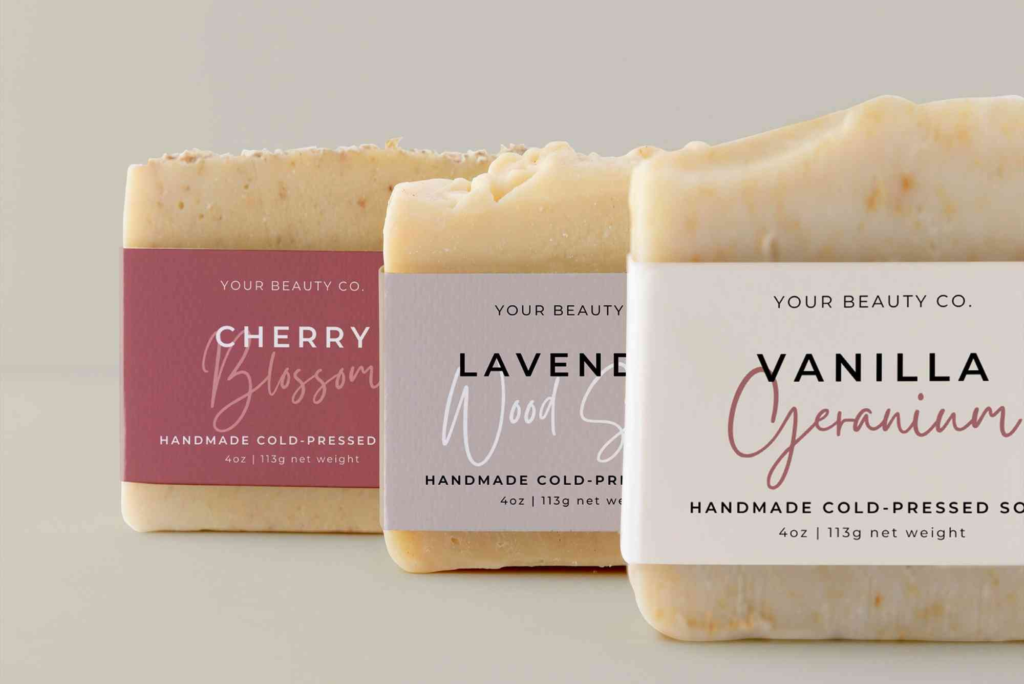
Typography does more than display words. It communicates mood and quality. Serif fonts often feel traditional and trustworthy. Sans-serif fonts feel modern and clean. Script fonts can suggest handmade craftsmanship when used carefully.
Legibility is critical. Ingredients, directions, and legal text must be easy to read. Overly decorative fonts may look appealing but reduce clarity. A balanced combination of two fonts usually works best.
Spacing also matters. Crowded text overwhelms buyers. Clean spacing improves readability and gives your label a professional feel. Thoughtful typography choices are central to effective soap label design ideas.
Colours Psychology in Soap Label Design
Colours influences buying behaviour more than many realise. Soft greens and browns suggest nature and sustainability. Blues imply cleanliness and calm. Black and gold signal luxury and exclusivity.
Your colours palette should align with scent and purpose. A lavender soap benefits from calming hues. Citrus soaps pair well with vibrant yellows or oranges. Consistency across your range helps build brand recognition.
Printing methods can alter colours appearance. Always test prints before final production. This practical step avoids costly mistakes and supports high-quality soap label design ideas.
Balancing Creativity With Compliance
Soap labels must follow legal requirements. These include ingredient listings, weight, manufacturer details, and usage warnings. Ignoring compliance can lead to penalties and loss of trust.
The challenge is integrating required information without cluttering the design. Strategic layout planning helps. Use hierarchy to prioritise brand name and product benefits while keeping legal text readable but unobtrusive.
Experienced designers know how to blend creativity with regulation. This balance is a hallmark of professional soap label design ideas that scale successfully.
Sustainable Materials and Finishes
Eco-conscious packaging is no longer a niche preference. Many buyers expect sustainable materials as standard. Recycled paper, biodegradable films, and water-based inks are increasingly popular choices.
Finish choices also affect perception. Matte finishes feel natural and premium. Gloss finishes enhance colours vibrancy. Textured papers add a handcrafted feel. Each option communicates a subtle message about your brand values.
When labels align with sustainable packaging like Custom Soap Boxes, the overall presentation feels cohesive and trustworthy. This consistency strengthens brand loyalty over time.
Storytelling Through Soap Labels
Great labels tell a story in seconds. They hint at origin, craftsmanship, and purpose. A short brand story or ingredient highlight can create emotional connection without overwhelming the design.
Storytelling works best when authentic. Share why the soap was created or what makes it special. Avoid exaggerated claims. Honest storytelling builds credibility and supports Google’s E-E-A-T expectations.
Well-crafted narratives are among the most effective soap label design ideas for long-term brand differentiation.
Print Quality and Finishing Techniques
Print quality can elevate or undermine your design. Poor printing makes even good design look cheap. High-resolution artwork and professional printing ensure sharp text and accurate colours.
Finishing techniques like embossing, foil stamping, or spot UV add tactile appeal. These details encourage customers to pick up the product, increasing purchase likelihood.
Understanding print processes is vital. Resources offering print & finishing insights help brands make informed decisions and avoid production issues.
Consistency Across Product Ranges
Consistency builds brand recognition. When customers see your soap, they should recognise it instantly. This comes from consistent use of colours, fonts, and layout structures.
You can still differentiate scents or variants using accent colours or icons. The core design should remain familiar. Consistency reduces confusion and strengthens shelf presence.
Strong soap label design ideas consider the entire product line, not just individual bars.
Local Branding and Market Relevance
Local identity can be a powerful differentiator. Highlighting where your soap is made builds trust and community connection. Customers often prefer locally produced goods.
Including location subtly on the label adds authenticity. It reassures buyers about quality and sourcing. Brands that reference their physical presence, such as Buddy Packaging Location, often feel more credible and transparent.
Local relevance also supports SEO and brand storytelling efforts.
Avoiding Common Soap Label Design Mistakes
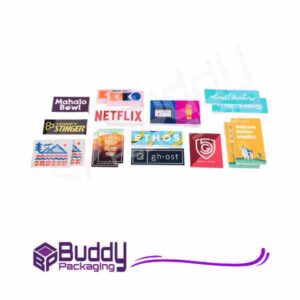
Many brands overdesign their labels. Too many colours, fonts, or claims overwhelm buyers. Simplicity often performs better on shelves and online listings.
Another common mistake is ignoring scalability. Designs should work across sizes and formats. What looks good on a large label may fail on a small one.
Testing designs with real users provides valuable feedback. Iteration is part of developing strong soap label design ideas that perform in the market.
Designing for Online and Offline Sales
Labels must perform both physically and digitally. Online shoppers see product images first. Labels should be clear even in small thumbnails.
High contrast and readable fonts help online visibility. Physical shelf presence requires tactile and visual appeal. Designing with both contexts in mind improves overall sales performance.
Modern soap label design ideas always consider omnichannel presentation.
FAQ: Soap Label Design Ideas
What should be included on a soap label?
A soap label should include the product name, ingredients, weight, usage instructions, and manufacturer details. These elements ensure compliance and build trust.
How do I make my soap label look professional?
Professional soap labels use clear typography, balanced layouts, and high-quality printing. Consistency and simplicity improve perceived value.
Are minimalist soap labels effective?
Minimalist designs often perform well because they feel clean and premium. They work best when aligned with brand values and target audience.
What materials are best for soap labels?
Water-resistant and eco-friendly materials are popular. The best choice depends on usage environment and brand positioning.
Can soap labels improve sales?
Yes, effective soap label design ideas increase shelf appeal, brand trust, and customer recall, all of which support higher sales.
Turning Ideas Into Impact
Soap label design ideas are not just about aesthetics. They are strategic tools that influence perception, trust, and purchasing decisions. From typography and colours to compliance and storytelling, every element matters.
Investing in thoughtful label design pays long-term dividends. It strengthens brand identity and supports sustainable growth. If you are ready to elevate your soap packaging, now is the time to refine your label strategy and partner with experts who understand both design and production. Your soap deserves a label that truly reflects its quality.