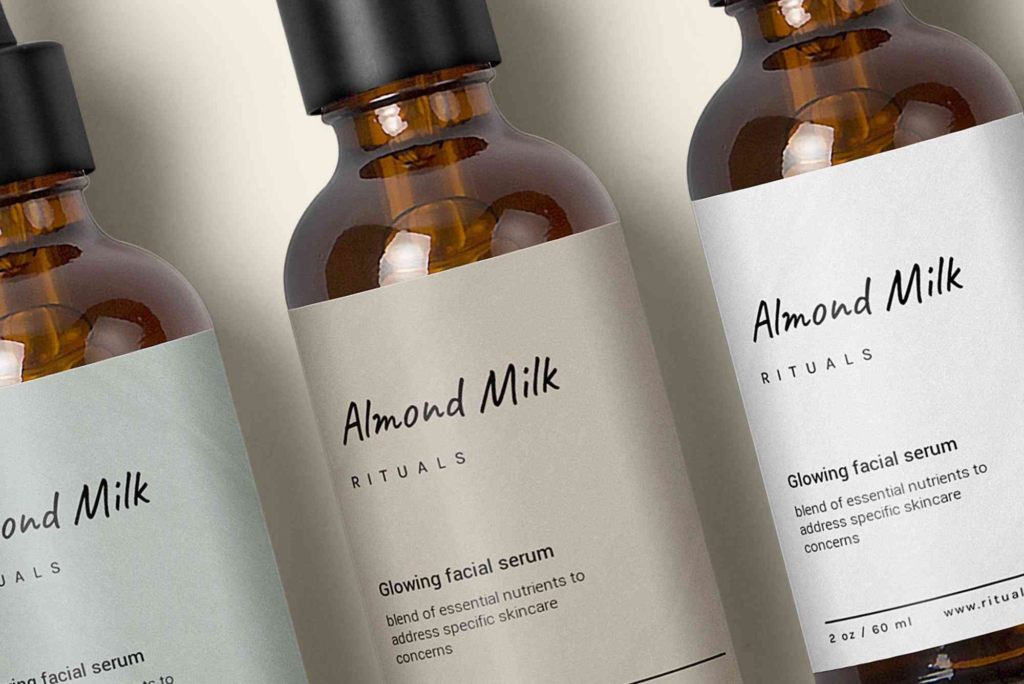
Skincare Label Design Template: Crafting Your Perfect Oil Label Design
Creating an eye-catching and professional skincare label is essential for standing out in the competitive beauty industry. Your oil label design is more than just a decorative element; it communicates brand identity, conveys essential product information, and attracts the right customers. A well-thought-out label can significantly enhance product credibility and customer trust.
In this guide, we will explore how to design a skincare label using a template that ensures consistency, clarity, and appeal. Whether you are launching a new product or refreshing an existing line, these strategies will help your oils shine on the shelf.
Understanding Skincare Label Design
Why Label Design Matters
A strong label serves multiple purposes:
- Brand Recognition: Helps customers easily identify your brand.
- Compliance: Ensures your product meets regulatory standards.
- Information Delivery: Provides ingredients, usage instructions, and warnings.
- Customer Trust: A professional label indicates quality and reliability.
Key Elements of an Oil Label Design
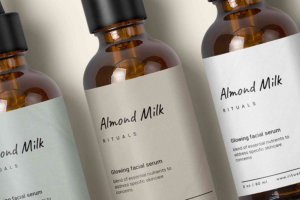
Your oil label design should balance aesthetics with functionality. Core elements include:
- Product Name and Variant
- Brand Logo
- Ingredients and Nutritional Information
- Directions for Use
- Barcode and Regulatory Symbols
- Design Elements (colour, typography, imagery)
Using a Skincare Label Design Template
Choosing the Right Template
A label design template saves time and ensures uniformity across your products. When selecting a template, consider:
- Size and Shape: Match your product bottles or containers.
- Material Compatibility: Ensure the template works with glass, plastic, or metallic finishes.
- Customisation Options: Look for editable fields for text, colours, and logos.
Customizing Your Template
To make your oil label design unique:
- Adjust colour schemes to reflect your brand identity.
- Use legible fonts suitable for small print.
- Incorporate subtle graphics or patterns to enhance appeal.
- Highlight key product benefits to catch the eye.
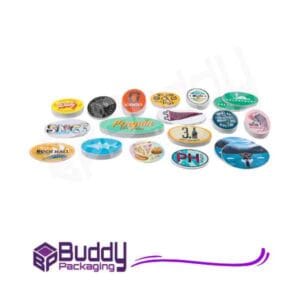
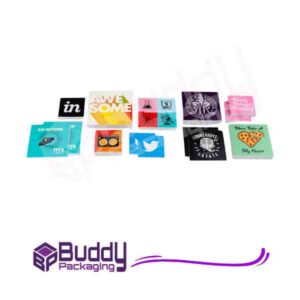
For professional-quality outcomes, consider ordering Custom Labels to match your template designs.
Design Best Practices for Skincare Labels
Colour Psychology
Colours influence customer perception:
- Green: Natural, organic, eco-friendly.
- Blue: Calm, trustworthy, soothing.
- Gold/Silver: Premium, luxurious.
Typography Tips
Use clear fonts for readability:
- Limit to 2-3 fonts per label.
- Prioritize legibility for small bottles.
- Consider font weight to differentiate product names from instructions.
Imagery and Graphics
Graphics should complement, not overpower, your text:
- Minimalistic icons can indicate ingredients.
- Decorative patterns can convey elegance.
- Product photography is optional but effective for online listings.
For additional inspiration, explore label design tips from leading design experts.
Compliance and Legal Considerations
Mandatory Information
Ensure your label includes:
- Ingredients list
- Net weight/volume
- Manufacturer details
- Batch number and expiry date
- Safety warnings if applicable
Regulatory Guidelines
Different countries have different requirements for cosmetic labels. For instance:
- EU: Cosmetic Products Regulation (CPR)
- US: FDA regulations for cosmetic labeling
- Australia: NICNAS compliance
Always double-check to avoid fines or recalls.
Printing and Material Selection
Label Materials
Choose materials that enhance product perception:
- Matte: Soft, elegant look
- Glossy: Vibrant, high-quality finish
- Clear: Minimalist, modern aesthetic
Printing Techniques
Consider high-quality techniques:
- Digital Printing: Cost-effective for small batches
- Offset Printing: High-quality for large production runs
- Foil Stamping: Premium look for luxury products
Distribution and Placement
Shelf Presence
A well-designed oil label design ensures your product stands out:
- Contrast colours with competitors.
- Maintain consistency across product lines.
- Ensure visibility on crowded shelves.
Online Marketing
High-resolution labels are critical for online listings:
- Use accurate colour representation.
- Include clear images of the label on your product.
- Integrate labels into your e-commerce branding.
Locate professional printing services near you by visiting Buddy Packaging Location.
A thoughtful oil label design can elevate your skincare products, enhance brand perception, and ensure compliance with regulatory standards. Leveraging a label template streamlines the design process while allowing for creativity and customisation. By considering colour psychology, typography, graphics, and printing methods, you can craft labels that captivate customers and communicate your brand effectively.
FAQs
What is the best size for an oil label design?
The ideal size depends on your bottle. Common dimensions range from 2×3 inches for small bottles to 4×6 inches for larger containers.
Can I use the same label template for multiple products?
Yes, templates are designed for consistency. Customise colours, fonts, and text for each product while maintaining a cohesive look.
What materials are best for skincare labels?
Matte, glossy, or clear vinyl materials are popular. Choose based on your brand aesthetic and product type.
How can I ensure my label is legally compliant?
Include all mandatory information, check local cosmetic regulations, and consult with regulatory experts if necessary.
Are there professional services for custom labels?
Yes, companies like Buddy Packaging offer Custom Labels with options tailored to your skincare products.
Creating a standout Skincare Label Design Template is key to attracting customers and building brand identity. A well-designed label combines clear typography, appealing colours, and essential product information to convey trust and quality. Using a template ensures consistency, saves time, and makes your skincare products look professional on any shelf.