Single Speaker Box Design For Bass
Single Speaker Box Design For Bass
A well-built speaker enclosure can dramatically improve audio quality. Whether you are designing a car audio system, a home theatre setup, or a custom sound project, choosing the right single speaker box design for bass is essential. The enclosure affects sound pressure, frequency response, and overall listening experience. Even a high-quality speaker can underperform when installed in a poorly designed box.
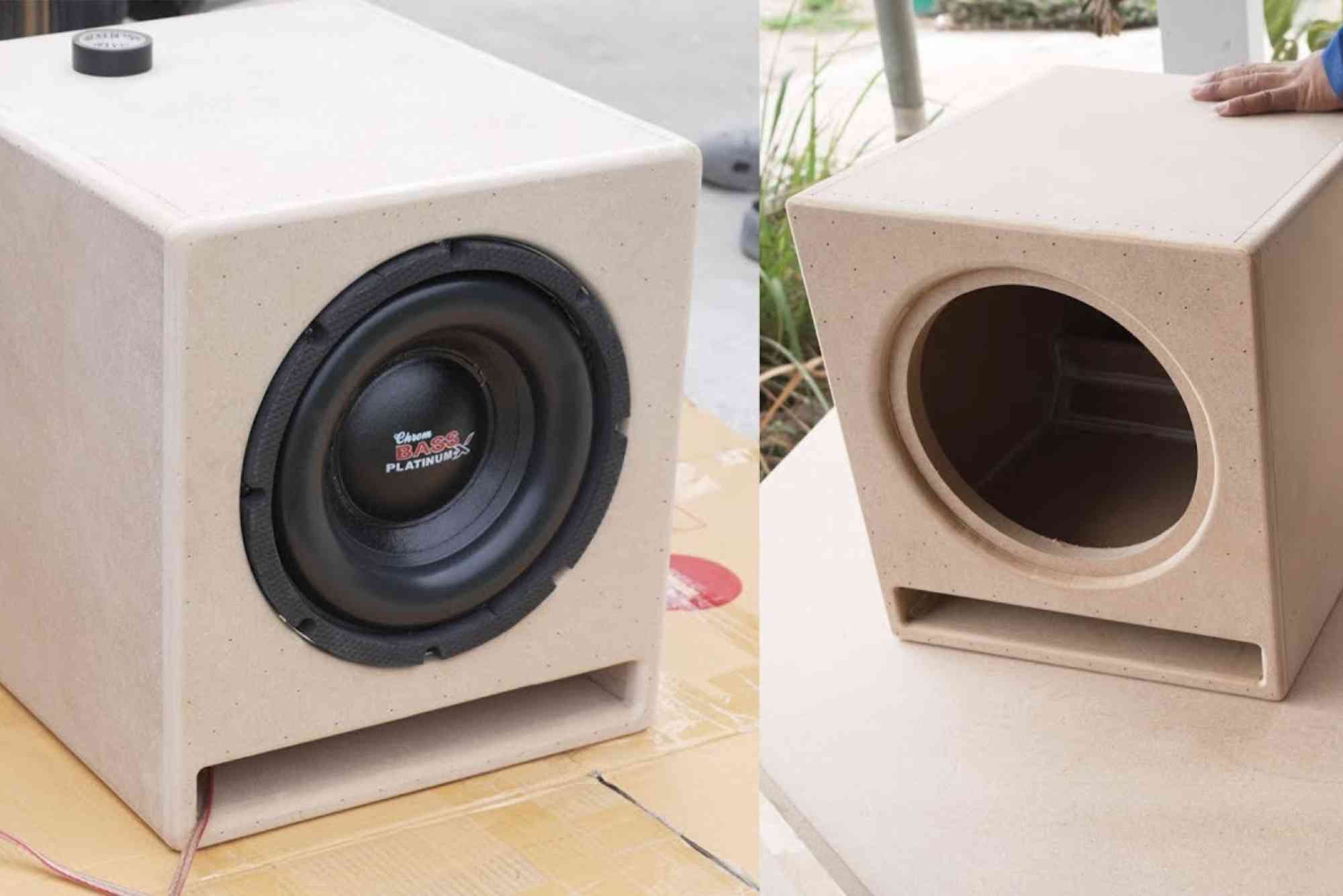
Understanding the fundamentals of a single speaker box design for bass helps you achieve deeper low frequencies, improved clarity, and better efficiency. While many people focus solely on the speaker itself, experienced audio enthusiasts know that the enclosure is equally important. The right design allows the speaker to move air efficiently, producing powerful and controlled bass.
Why Speaker Box Design Matters
Bass frequencies require significant air movement. A speaker enclosure controls how the rear sound waves interact with the front waves. Without a proper enclosure, these sound waves can cancel each other out, reducing bass output and overall performance.
A carefully engineered single speaker box design for bass provides the ideal acoustic environment for the speaker driver. It helps maintain sound quality while enhancing low-frequency response. As a result, listeners enjoy tighter, deeper, and more impactful bass.
The enclosure also protects the speaker from damage. By controlling cone movement and internal air pressure, the box extends the life of the speaker and improves reliability.
Understanding Bass Speaker Enclosures
Speaker boxes are available in several configurations, but single-driver enclosures remain popular because of their simplicity and effectiveness. The choice of enclosure depends on the speaker specifications and the desired sound characteristics.

A sealed enclosure delivers accurate and controlled bass. It offers excellent sound quality and is often preferred by listeners who value precision. Although sealed boxes may not produce the loudest bass, they provide impressive clarity and consistency.
Ported enclosures, on the other hand, use a vent or port to increase efficiency. This design allows more air movement and produces stronger bass output. For many enthusiasts seeking maximum low-end performance, a ported single speaker box design for bass is the preferred option.
Key Factors When Designing a Single Speaker Box
Several factors influence enclosure performance. Understanding these elements helps create a speaker box that maximises bass response.
Internal Volume
The internal volume of the enclosure significantly affects sound quality. Every speaker driver is designed to perform within a specific air space. If the box is too small, bass becomes restricted. If the box is too large, bass may sound loose and uncontrolled.
Manufacturers usually provide recommended enclosure volumes. Following these specifications ensures optimal performance and protects the speaker from excessive movement.
Material Selection
Material quality plays a vital role in enclosure strength and acoustic performance. Medium-density fibreboard, commonly known as MDF, remains the most popular choice. It is dense, durable, and resistant to unwanted vibrations.
High-quality plywood is another excellent option. It provides strong structural integrity while reducing overall weight. Regardless of the material chosen, the enclosure should be rigid enough to prevent resonance.
Speaker Placement
Proper speaker positioning within the enclosure contributes to balanced sound distribution. Most single-driver boxes place the speaker centrally on the front panel. This arrangement helps maintain even air pressure and consistent bass output.
Internal Bracing
Internal bracing strengthens the enclosure and reduces panel flex. Excessive vibration can colour the sound and reduce efficiency. Additional support structures improve rigidity and enhance bass performance.
Recommended Box Dimensions
The ideal dimensions vary depending on speaker size and specifications. However, the following table provides general guidelines for common subwoofer sizes used in bass-focused applications.
| Speaker Size | Sealed Box Volume | Ported Box Volume |
|---|---|---|
| 8-inch | 0.35–0.75 cubic feet | 0.75–1.25 cubic feet |
| 10-inch | 0.60–1.25 cubic feet | 1.00–2.00 cubic feet |
| 12-inch | 1.00–2.00 cubic feet | 1.75–3.00 cubic feet |
| 15-inch | 2.00–3.50 cubic feet | 3.00–5.00 cubic feet |
These figures serve as starting points. Always consult the speaker manufacturer’s recommendations before building the enclosure.
Choosing Between Sealed and Ported Designs
Many people struggle when selecting between sealed and ported enclosures. Both options offer unique benefits.
A sealed single speaker box design for bass produces tighter and more accurate low frequencies. Music genres such as jazz, classical, and acoustic recordings often benefit from this type of enclosure. The bass remains controlled and detailed.
Ported designs emphasise output and efficiency. They produce louder bass while requiring less amplifier power. This design works particularly well for electronic music, hip-hop, and modern pop tracks where strong low-frequency impact is desirable.
The choice ultimately depends on listening preferences and installation requirements.
Tuning a Ported Speaker Box
Port tuning determines how efficiently the enclosure reinforces bass frequencies. print & finishing insights The tuning frequency should complement the speaker’s characteristics and intended use.
A lower tuning frequency generally provides deeper bass extension. However, extremely low tuning can reduce overall output. Higher tuning frequencies increase loudness but may sacrifice some low-end depth.
Finding the right balance is crucial. Many experienced builders use design software to calculate precise port dimensions and tuning frequencies.
Common Design Mistakes
Many DIY enthusiasts encounter problems because of simple design errors. Avoiding these mistakes can dramatically improve results.
One common issue is ignoring manufacturer specifications. Every speaker is engineered for a specific enclosure size. Deviating too far from these recommendations often leads to poor performance.
Another mistake involves insufficient enclosure strength. Thin panels and weak construction allow excessive vibration, reducing sound quality.
Poor sealing is another frequent problem. Air leaks negatively affect bass response and can create unwanted noise. All joints should be tightly sealed during construction.
Improving Bass Performance
Several techniques can further enhance the effectiveness of a single speaker box design for bass.
Acoustic damping material helps absorb internal reflections. This reduces unwanted resonance and improves sound clarity.
Proper amplifier matching is equally important. Even the best enclosure cannot compensate for insufficient power. Selecting an amplifier that matches the speaker’s power requirements ensures consistent performance.
Correct speaker polarity also matters. Wiring errors can cause phase cancellation and significantly reduce bass output.
Room placement or vehicle positioning can further influence bass performance. Experimenting with different locations often reveals noticeable improvements.
Applications for Single Speaker Bass Boxes
Single speaker enclosures are widely used across various audio environments. Their versatility makes them suitable for both beginners and experienced enthusiasts.
Car audio systems frequently rely on single-driver subwoofer boxes because they deliver strong bass without occupying excessive space. Home audio enthusiasts also appreciate the balance between performance and practicality.
Professional installations often incorporate custom-built enclosures tailored to specific acoustic requirements. Businesses involved in Custom Boxes production occasionally apply similar principles of structural design and material selection when creating durable enclosure solutions.
Likewise, specialists who provide print & finishing insights understand the importance of precision and craftsmanship. These same principles apply when constructing speaker boxes that require exact measurements and quality finishes.
Many enthusiasts also visit Buddy Packaging Location to explore packaging and fabrication concepts that can inspire custom enclosure projects requiring durable materials and precise construction.
Building Your Own Speaker Box
Creating a custom enclosure offers several advantages. It allows complete control over dimensions, materials, and appearance. A properly designed enclosure can outperform many generic commercial products.
Before starting construction, carefully measure the available installation space. Next, calculate the required internal volume based on the speaker specifications. Precision is essential because even small deviations can affect performance.
After cutting the panels, assemble the enclosure using strong wood adhesive and screws. Ensure all joints are airtight. Finally, sand and finish the exterior to achieve a professional appearance.
Testing the enclosure after assembly allows adjustments if necessary. Small modifications can often improve overall bass response.
buddypackaging.co.uk offers innovative and eco-friendly packaging solutions for businesses of all sizes. From custom boxes to sustainable materials, they help brands stand out while caring for the environment. Their expert team ensures high-quality, reliable, and stylish packaging that meets every need.
FAQ
What is the best box type for deep bass?
Ported enclosures generally produce deeper and louder bass than sealed designs. However, sealed boxes provide greater accuracy and control.
Does a bigger speaker box produce more bass?
Not always. The enclosure must match the speaker’s specifications. An oversized box can reduce control and negatively affect sound quality.
Which material is best for a bass speaker box?
MDF is widely considered the best choice because of its density, strength, and acoustic properties. High-quality plywood is also a popular alternative.
How do I calculate speaker box volume?
Measure the internal height, width, and depth of the enclosure. Multiply these dimensions and convert the result into cubic feet or litres.
Can I build a speaker box without professional tools?
Yes. Many DIY builders successfully create speaker enclosures using basic woodworking tools. Accurate measurements and careful assembly remain the most important factors.
Does port size affect bass performance?
Yes. Port dimensions directly influence tuning frequency and airflow. Incorrect port sizing can reduce efficiency and create unwanted noise.
Conclusion
A properly engineered single speaker box design for bass can transform the performance of any audio system. The enclosure plays a crucial role in determining bass depth, clarity, and efficiency. By selecting the correct volume, materials, and design type, you can achieve impressive low-frequency performance that complements your speaker perfectly.
Whether you choose a sealed or ported enclosure, attention to detail makes all the difference. Careful planning, precise construction, and proper tuning will help you get the most from your speaker investment. If you are planning your next audio project, start by designing the right enclosure and experience the difference that a quality bass box can make.
Related Reading: Mid Range Speaker Box Design For Car
Related Reading: Rectangular Box Design
Related Reading: Single 6th Order Bandpass Box Design
Related Reading: 3D Printed Box Design
Shop the boxes from this guide

120ml Bottle Boxes

Apparel Sleeve Boxes

Archive Boxes

buddypackaginguk
Packaging & Print SpecialistTechnical packaging specialist at Buddy Packaging UK, sharing insights on corrugated board packaging, custom dielines, and print production.
View all packaging articles by buddypackaginguk →