Single 15 Inch Subwoofer Box Design: The Complete Expert Guide
A powerful car audio system is not only about choosing the right subwoofer—it is equally about the enclosure that supports it. A carefully built single 15 inch subwoofer box design can transform average bass into deep, clean, and ground-shaking sound. Whether you are a DIY enthusiast or a professional installer, the right box design ensures your subwoofer performs at its full potential.
In this detailed guide, you will learn everything you need to know about single 15 inch subwoofer box design, including enclosure types, material selection, dimensions, tuning, airspace calculations, and installation tips. With real-world insights and proven best practices, this article will help you design a box that delivers powerful low-end performance without distortion.
Why a Proper Subwoofer Box Matters
A subwoofer enclosure is not just a container—it is an acoustic chamber that controls how the speaker moves and how air flows inside the box. Poor design can cause weak bass, rattling, overheating, or even damage to the subwoofer.
A professionally crafted single 15 inch subwoofer box design provides:
- Controlled airflow for accurate bass
- Protection from vibration and impact
- Increased sound pressure levels (SPL)
- Improved clarity and deeper frequencies
- Longer lifespan for your subwoofer
Without the right enclosure, even the best subwoofer will never reach its full performance.
Understanding the Single 15 Inch Subwoofer Box Design Concept
A single 15 inch subwoofer is ideal for users who want powerful, low-frequency bass without needing multiple drivers. The enclosure must match the subwoofer’s specifications, including:
- Fs (Resonant Frequency)
- Qts (Total Q Factor)
- Vas (Equivalent Compliance Volume)
These parameters determine how much airspace the box needs and whether it should be sealed, ported, or bandpass.
Types of Enclosures for a Single 15 Inch Subwoofer
Sealed Enclosure
A sealed box is airtight and offers tight, accurate bass.
Advantages
- Compact design
- Clean sound
- Easy to build
- Excellent for music with fast bass notes
Disadvantages
- Lower volume compared to ported designs
This type is best for listeners who value sound accuracy over loudness.
Ported (Vented) Enclosure
A ported box includes a tuned vent that boosts low frequencies.
Advantages
- Louder bass
- Higher efficiency
- Deeper low-end extension
Disadvantages
- Larger box size
- More complex calculations
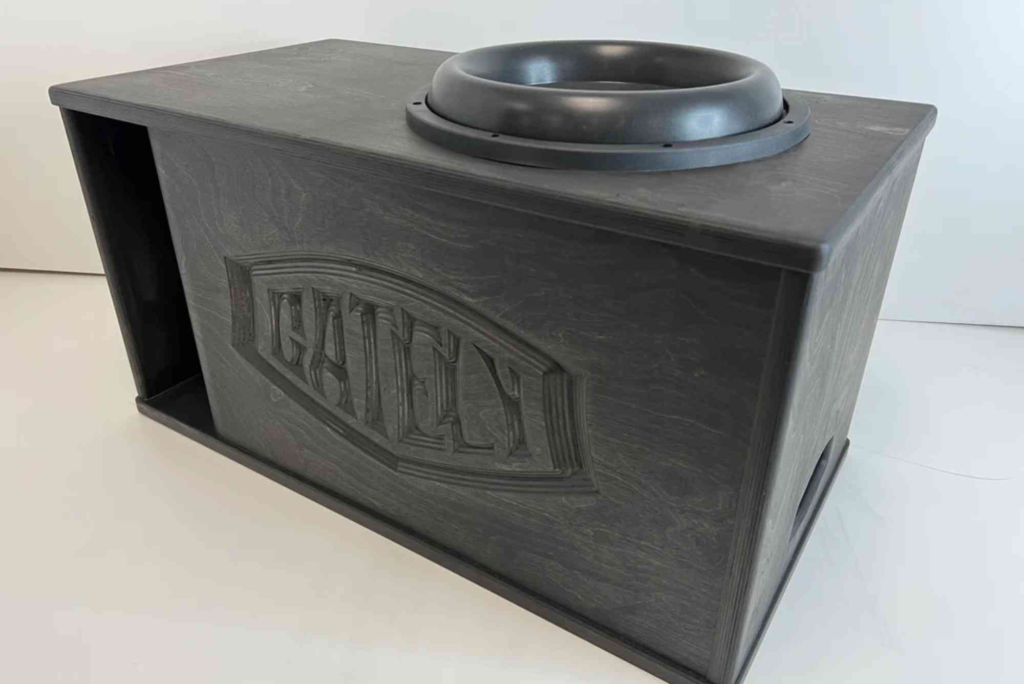
For maximum bass output, most people choose a ported single 15 inch subwoofer box design.
Bandpass Enclosure
This box fully encloses the subwoofer, using ports to release sound.
Advantages
- Very loud
- Strong SPL performance
Disadvantages
- Larger
- Narrow frequency range
- Complex build
Bandpass designs are common in competition systems.
Ideal Dimensions and Airspace
Each subwoofer model has recommended box volume. Typically:
- Sealed: 2.0 – 3.0 cubic feet
- Ported: 3.0 – 5.0 cubic feet
Always check the manufacturer’s datasheet before finalizing measurements.
Port Tuning
For ported boxes, tuning frequency usually ranges between 32Hz and 38Hz for balanced bass. A lower tuning gives deeper bass, while higher tuning increases loudness.
Best Materials for Subwoofer Boxes
Choosing the right materials ensures durability and vibration control.
MDF (Medium Density Fiberboard)
- Most commonly used
- Dense and affordable
- Reduces resonance
Plywood
- Lightweight
- Strong
- Resistant to moisture
Fiberglass
- Custom shapes
- Expensive
- Complex installation
MDF remains the industry standard for most single 15 inch subwoofer box design projects.
Building the Box: Step-by-Step Overview
- Measure your vehicle’s trunk or cargo space
- Calculate internal air volume
- Choose enclosure type
- Cut MDF panels
- Assemble using wood glue and screws
- Seal all joints with silicone
- Install subwoofer and terminals
- Test for air leaks
Enhancing Your Design with Professional Packaging Solutions
If you are selling or shipping audio equipment, using high-quality packaging is just as important. Consider using Custom Boxes to protect your subwoofer and accessories during transit.
Practical Box Design Tips
For creative enclosure inspiration and layout ideas, explore professional box design tips that can help you improve both function and appearance.
Where to Find Expert Packaging Support
If you need custom packaging solutions, visit Buddy Packaging Location for professional assistance.
Common Mistakes to Avoid
- Using the wrong box size
- Poor sealing
- Weak internal bracing
- Incorrect port length
- Ignoring subwoofer specifications
Avoiding these errors will protect your investment and ensure premium sound.
FAQs
What size box does a single 15 inch subwoofer need?
Most require 2–5 cubic feet depending on sealed or ported design.
Is a ported box better for a 15 inch subwoofer?
Yes, for louder and deeper bass, ported enclosures perform better.
What tuning frequency is best?
32–35Hz offers balanced bass for most music genres.
Can I build my own subwoofer box?
Yes, with the right tools and measurements, DIY boxes work great.
A well-crafted single 15 inch subwoofer box design is the foundation of powerful bass. By choosing the right enclosure type, materials, and tuning, you can transform your sound system into a professional-grade audio experience.