Introduction
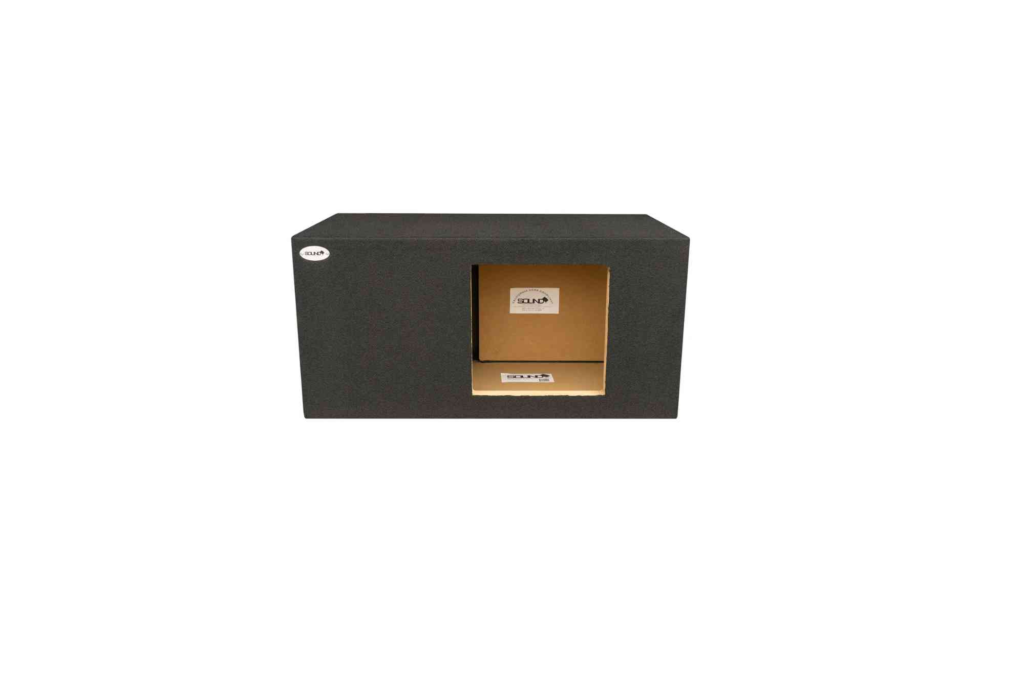
Designing a speaker enclosure that brings out the most from your subwoofer isn’t just about aesthetics. A carefully considered single 12 inch subwoofer box design dramatically influences sound quality, bass accuracy, and overall performance. Whether you’re an audiophile building your first box or a seasoned DIYer seeking refinements, this guide pulls together practical knowledge, real-world experience, and technical insights to help you succeed.
Choosing the perfect box is a balance between physics, space, and personal preference. With the right approach, your subwoofer can deliver deep, controlled bass without distortion — even at high volume.
Subwoofer Enclosure Basics
At the heart of every great car or home audio system is an enclosure that complements the driver’s characteristics. A single 12 inch subwoofer box design must consider the subwoofer’s Thiele/Small parameters — specifications that define how the driver interacts with air volume. Understanding these parameters helps you decide on enclosure type and size.
Different designs emphasise various sound qualities. Some prioritise accuracy, others maximise output. As you read on, you’ll discover how design choices affect performance.
Understanding Subwoofer Box Types
Sealed Enclosures
A sealed box is simple and reliable. It provides tight, accurate bass ideal for music genres where precision matters.
Sealed enclosures sound musical and controlled. They require less power to achieve clean output. Beginners often start here due to straightforward construction.
Sealed box designs perform well in small spaces because they exploit the air’s spring-like behaviour inside the enclosure. The result is fast transient response and a natural tone.
Ported (Vented) Enclosures
If louder bass with extended low-frequency response is your goal, a ported design works well.
Ported boxes use a tuned port to enhance certain frequencies. This boosts output at specific low-end bands, making bass feel deeper and louder.
These designs need precise tuning. Too large or poorly placed ports can lead to boominess or phase issues. However, when tuned right, they make your subwoofer feel like it reaches further down in frequency.
Bandpass Enclosures
Bandpass designs are more complex. They enclose the subwoofer between two chambers, one sealed and one ported.
The goal is maximum output in a narrow frequency range. Bandpass boxes can be very efficient but are less versatile outside their tuned band.
Isobaric Enclosures
Isobaric configurations use two identical subwoofers in a specific arrangement to simulate a larger box volume. This isn’t typical for a single 12 inch subwoofer box design, but it’s worth knowing for advanced builds.
Choosing the Right Box Volume
Box volume is essential. Too large or too small and the subwoofer can sound weak, muddy, or strained. Manufacturers provide recommended volumes. Using online calculators or software helps fine-tune your design.
Ultimately, volume choice depends on your priorities: deep response, loudness, or a balanced mix. Many audiophiles perform simulations to find the sweet spot.
Material Choices for Your Box
High-quality materials make a box stronger and acoustically stable.
MDF (Medium-Density Fibreboard) is the most common choice. Its density and uniform structure resist vibrations that colour sound. Plywood and HDF (High-Density Fibreboard) are alternatives, each with pros and cons in strength and weight.
Avoid thinner boards. They flex under pressure and degrade sound quality. Proper bracing reduces resonance and increases efficiency.
Designing for Your Specific Subwoofer
Every driver behaves differently. Before you begin, gather data for your specific subwoofer model. You’ll need parameters like Vas, Qts, Fs, and more. These guide the ideal enclosure type and volume.
An informed build starts with research and careful planning. Use reliable sources for specifications and apply box design tips from experienced designers and builders.
Building the Box: Step by Step
Planning and Cutting
Start with accurate measurements. Mark cuts clearly. Taking your time here saves effort later.
Use a saw appropriate for sheet wood materials. Clean, precise cuts help your panels fit tightly.
Panel Assembly
Glue each joint firmly. Use clamps to hold pieces while the adhesive cures. Tight seams prevent air leaks, which can severely reduce performance.
Screws add strength. Countersink them to avoid interfering with veneer or carpet finishes.
Bracing and Reinforcement
Add internal braces to reduce panel flex. Simple braces can be strips connecting opposite walls. They make a huge difference, especially in sealed boxes where air pressure builds up.
Port Construction (If Required)
If building a ported box, calculate the port length and diameter carefully. Deviating from calculated dimensions changes tuning frequency.
Round ports or flared edges reduce port noise. That’s the “chuffing” sound car audio enthusiasts want to avoid.
Sealing and Finishing
Once assembled, seal all internal seams with silicone or wood glue to prevent air leaks. Sand down rough edges before applying your chosen finish.
Carpett, vinyl, or paint helps the box blend into its environment. A professional finish doesn’t just look good — it also protects the wood from moisture and wear.
Integration With Your Audio System
Your subwoofer doesn’t work in isolation. Amplifier power, crossover settings, and phase alignment impact performance.
Match your subwoofer’s power rating with an amplifier that provides clean, reliable wattage. Avoid overpowering or underpowering, as both can harm sound quality or speaker integrity.
Set crossover points and phase to complement your main speakers. Small adjustments here can improve overall cohesion.
Tuning and Testing Your Design
Once installed, test your design with different tracks and tones. Measure output if possible, using tools like measurement mics and software. Listen critically for distortion, peaks, or dips in frequency response.
Small changes in enclosure volume, port tuning, or crossover settings can make substantial improvements. Good tuning refines your base design into a finished system with personality and power.
Common Mistakes to Avoid
Not all DIY builds succeed on the first try. Here are pitfalls to avoid:
Poorly sealed joints reduce bass output and accuracy.
Incorrect port dimensions lead to boominess or weak low notes.
Ignoring bracing lets panels flex and colours the sound.
Skipping subwoofer parameters leads to mismatched designs.
Rushing final finishes undermines box durability.
Take your time, revise plans if necessary, and don’t be afraid to redo steps for better results.
Advanced Modifications and Enhancements
After mastering basics, some builders explore enhancements like passive radiators, dual ports, or layered bracing. These techniques refine performance but require advanced planning.
Passive radiators act like ports but without airflow noise. They’re expensive but effective in certain designs.
Dual ports distribute airflow more evenly. With careful tuning, they can enhance output and reduce turbulence.
Real-World Examples of Successful Designs
Many car audio enthusiasts share builds online. Studying these gives insight into real-world challenges and solutions:
Projects showing sealed boxes for tight hip-hop bass.
Ported boxes for deep, loud electronic music.
Custom enclosures that balance output and refinement.
For further inspiration, explore professional Custom Boxes to see how tailored designs improve performance and appearance.
A well-executed single 12 inch subwoofer box design transforms your audio experience. It blends technical knowledge with careful craftsmanship. Starting with the right design type and volume, progressing through precise construction and thoughtful tuning ensures powerful, accurate bass.
Taking this journey improves your skills and yields a subwoofer Buddy Packaging Location system that performs with confidence in any listening environment. If you’re ready to bring your ideas to life, start planning your build today. For bespoke solutions that match your needs and style, get in touch to explore how our expertise can help.
If you’re looking to create packaging that captures nostalgia and elegance, exploring a vintage box design can elevate your brand image. From classic typography to retro colour palettes, vintage-inspired packaging adds charm, authenticity, and a timeless appeal that resonates strongly with customers across the UK market.
FAQs
What is the ideal box volume for a single 12 inch subwoofer?
Ideal volume varies by subwoofer model. Always consult the driver’s specifications and recommended enclosure sizes. Small variations affect tuning and output, so accurate planning matters.
Which enclosure sounds best for music clarity?
Sealed enclosures usually offer the cleanest, most accurate bass response. They excel with genres that demand detailed low-end precision.
Can I build a ported box without experience?
Yes, but ported designs require careful calculations to avoid poor tuning. Beginners may prefer sealed boxes before progressing to ports.
How does box shape affect sound quality?
Irregular shapes reduce standing waves but complicate construction. Most DIY builds use simple rectangular designs with internal bracing to balance performance and ease.
Where can I find more resources on box construction?
Start with community forums, manufacturer guides, and expert tutorials. Also check box design tips from established design resources to expand your knowledge.