Introduction
Screen printing designs for fabric remain one of the most popular ways to create unique textile products. From fashion brands to home décor creators, designers rely on this technique to produce bold, durable, and vibrant prints. Whether you want to customise clothing, decorate tote bags, or produce branded merchandise, screen printing offers endless creative possibilities.
The beauty of screen printing designs for fabric lies in their versatility. You can print simple logos, detailed illustrations, or large artistic patterns with impressive colour depth. Additionally, this method works well on cotton, polyester, canvas, and many other fabrics. Because of its durability and professional finish, it is widely used by clothing brands, marketing companies, and independent artists.
If you are planning to design fabric prints, understanding the design process, tools, and creative concepts can help you achieve better results. This guide explains how screen printing works, how to create effective designs, and how to optimise your fabric prints for professional outcomes.
What Is Screen Printing on Fabric?
Screen printing is a printing technique where ink passes through a mesh screen onto fabric. A stencil blocks areas where ink should not reach. This allows designers to create precise patterns and images on textiles.
Unlike digital printing, screen printing pushes thick layers of ink onto the fabric surface. As a result, the colours appear brighter and last longer. Many clothing brands prefer screen printing because it produces consistent results for large production runs.
When creating screen printing designs for fabric, artists must prepare each colour separately. Every colour requires its own screen. Although this may sound complex, the result is high-quality prints with excellent colour saturation.
Why Screen Printing Is Ideal for Fabric Designs
Screen printing has remained popular for decades. There are several reasons why designers and businesses choose this technique for fabric printing.
Firstly, screen printing produces highly durable prints. The ink bonds strongly with the fabric fibres. Even after repeated washing, the design stays intact.
Secondly, it allows bold and vibrant colours. Thick ink layers make colours stand out on light or dark fabrics.
Thirdly, it is cost-effective for bulk production. Once screens are prepared, printing hundreds of items becomes efficient and affordable.
Finally, screen printing offers strong creative freedom. Artists can experiment with textures, layering, and colour effects to produce unique textile designs.
Types of Screen Printing Designs for Fabric
Design style plays a major role in successful screen printing. Some styles work better than others because of the printing method.
Minimalist Graphic Designs
Minimalist designs work extremely well with screen printing. Simple shapes, icons, and typography print cleanly and maintain sharp edges.
Brands often use this style for T-shirts, hoodies, and promotional merchandise. A clean logo or symbol printed in one or two colours can create a powerful visual identity.
Vintage and Retro Designs
Vintage-inspired designs have become increasingly popular in textile printing. These designs often feature distressed textures, faded colour palettes, and classic typography.
Screen printing is perfect for achieving this look. Designers can create layered ink effects that mimic worn or aged prints.
Nature and Botanical Patterns
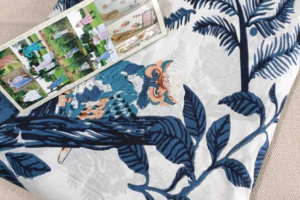
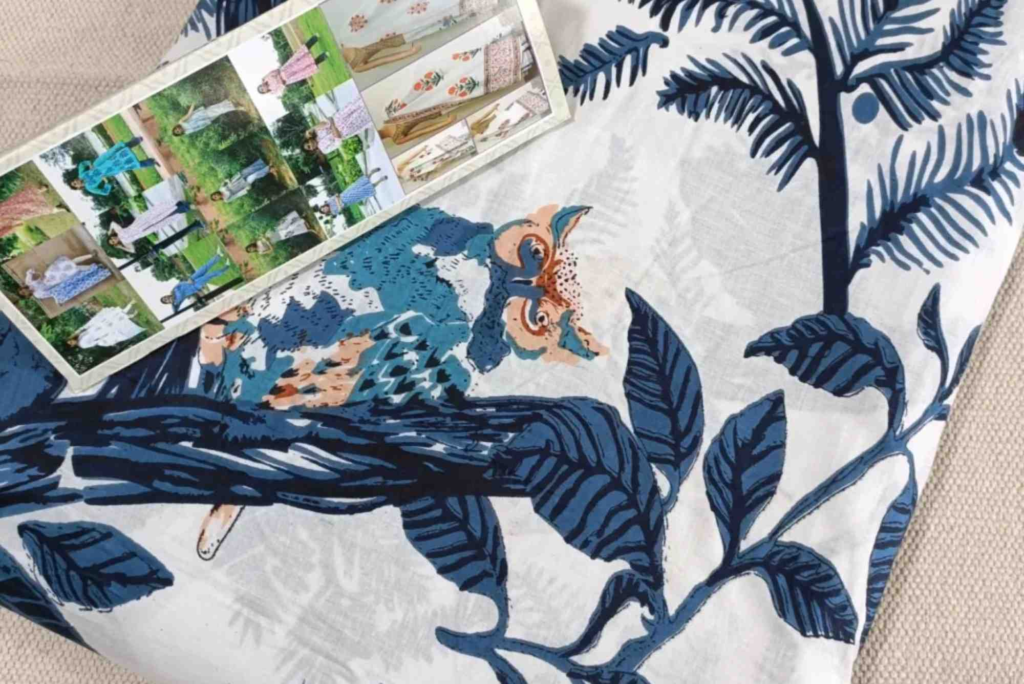
Nature-themed prints are widely used for fabric products. Leaves, flowers, and organic patterns look beautiful when printed onto cotton or linen.
These designs often use multiple colours and repeating patterns. When created carefully, they can transform simple fabric into stylish décor or fashion pieces.
Illustrative Artwork
Artists often use screen printing to reproduce detailed illustrations. From cartoon characters to artistic sketches, the technique captures strong line work and rich colours.
Illustrative designs are commonly used for fashion collections and creative merchandise.
How to Create Effective Screen Printing Designs for Fabric
Creating a successful fabric print requires both creativity and technical awareness. A design that looks good on a computer screen may not always translate well onto fabric.
Start With High-Contrast Artwork
High contrast improves print clarity. Strong outlines and defined shapes ensure the design remains visible once printed.
Complex gradients can be difficult to reproduce with traditional screen printing. Therefore, it is better to use solid colours and bold contrasts.
Limit the Number of Colours
Each colour in screen printing requires a separate screen. Therefore, limiting colours can reduce production costs and simplify the printing process.
Many successful screen printing designs for fabric use two or three colours. Even simple colour palettes can create striking designs.
Choose the Right Fabric
Different fabrics react differently to ink. Cotton absorbs ink well and produces bright colours. Polyester fabrics may require specialised inks.
Testing designs on sample fabrics helps ensure the final result looks professional.
Optimise the Design Size
Large designs work well on T-shirts and hoodies. Smaller prints suit pockets, sleeves, or accessories.
Proper sizing ensures the design fits naturally on the product without appearing overcrowded.
Popular Applications of Screen Printing Designs for Fabric
Screen printing appears in many industries because it allows brands and designers to create distinctive products.
Fashion brands rely on screen printing to produce graphic T-shirts, sweatshirts, and streetwear collections. These designs often reflect cultural trends, artistic themes, or brand identity.
Home décor designers also use screen printing to decorate cushion covers, curtains, and table linens. Textile prints can completely transform interior spaces.
Businesses frequently use screen printing for promotional merchandise. Printed tote bags, uniforms, and event shirts help promote brand recognition.
Even small businesses benefit from creative branding. For example, attractive labels and printed packaging enhance product presentation. Businesses that focus on Custom Packaging often integrate printed fabric bags or wraps to elevate brand appeal and sustainability.
Design Trends in Fabric Screen Printing
The textile printing industry constantly evolves with new design trends. Staying aware of these trends helps designers create modern and appealing products.
One growing trend is eco-friendly printing. Water-based inks and sustainable fabrics are becoming more common. Consumers increasingly prefer environmentally responsible products.
Another trend is oversized graphics. Large, bold prints covering most of the garment create strong visual impact.
Hand-drawn illustrations are also gaining popularity. Authentic artistic styles feel more personal and unique compared with digital stock graphics.
Finally, typography-focused designs continue to dominate fashion printing. Inspirational quotes, bold lettering, and experimental fonts create striking visual statements.
Designers who study modern visual communication can gain inspiration from various resources and professional packaging design tips, which often overlap with textile branding and product presentation strategies.
Common Mistakes to Avoid in Screen Printing Designs
Even experienced designers sometimes make mistakes when preparing fabric prints. Understanding these issues helps avoid costly production problems.
One common mistake is using extremely thin lines. Thin details may disappear during printing or washing.
Another mistake is using too many colours. Complex colour separations increase costs and complicate printing.
Designers also sometimes ignore fabric colour. A design that looks good on a white background may not stand out on dark textiles.
Testing and proofing designs before large production runs helps prevent these issues.
Tools and Software for Creating Fabric Print Designs
Designers use various digital tools to prepare screen printing artwork.
Vector design software is often preferred because it creates scalable graphics with clean edges. This ensures prints remain sharp at any size.
Illustration software also helps designers experiment with colours, shapes, and textures before finalising the design.
Some artists still begin with hand-drawn sketches. These sketches are then digitised and refined using design software. Combining traditional art with digital tools often produces unique and authentic results.
Future of Screen Printing Designs for Fabric
Although digital printing technologies continue to evolve, screen printing remains highly relevant. Its durability, texture, and vibrant colour output still surpass many modern alternatives.
Many fashion brands are combining screen printing with digital design techniques. This hybrid approach allows designers to create innovative prints while maintaining the classic feel of traditional textile printing.
Additionally, sustainable printing practices will likely shape the future of the industry. Eco-friendly inks and recyclable fabrics will become increasingly important as consumers prioritise environmentally responsible products.
For designers and entrepreneurs, mastering screen printing designs for fabric can open doors to creative and commercial opportunities.
Screen printing designs for fabric offer a powerful way to transform ordinary textiles into artistic and commercial products. From minimalist logos to complex illustrations, this printing technique allows designers to express creativity while producing durable and vibrant prints.
Understanding design principles, fabric compatibility, and colour limitations helps ensure successful results. Whether you are designing fashion items, promotional merchandise, or home décor products, thoughtful planning and creative experimentation can elevate your fabric prints.
If you want to create professional-quality textile products, start exploring screen printing techniques today. Experiment with different design styles, test your ideas on sample fabrics, and refine your process. With the right approach, your screen printing designs for fabric can become both visually striking and commercially successful.
T Shirt Name Printing Design is a popular choice for anyone looking to create personalised clothing for events, teams, businesses, or casual wear. With creative fonts, unique colours, and stylish layouts, name printing on T-shirts adds a distinctive and professional touch. Whether for sports jerseys, promotional campaigns, or customised gifts, a well-designed printed name enhances identity and makes each shirt more meaningful and visually appealing.
FAQ
What fabrics work best for screen printing?
Cotton fabrics work best because they absorb ink effectively. Cotton blends and canvas also produce strong results. Synthetic fabrics may require specialised inks.
How long do screen printed fabric designs last?
Screen printed designs are extremely durable. With proper care, prints can last for many years without fading or cracking.
Can beginners create screen printing designs for fabric?
Yes, beginners can start with simple designs using one or two colours. As skills improve, they can experiment with more complex artwork.
Is screen printing better than digital printing for fabric?
Screen printing is often better for bulk orders and bold designs. Digital printing works well for highly detailed or photographic images.
How many colours can be used in screen printing?
Technically, many colours can be used. However, most screen printing designs for fabric use two to five colours to maintain cost efficiency and clarity.