Room printing design is quickly becoming a sought‑after creative solution for modern interiors. Whether you’re reimagining a fitness studio, enhancing a commercial space, or exploring personal décor ideas, effective room printing elevates both function and feel. At OrangeTheory Mountain View, this innovative approach enhances brand experience, captivates visitors, and helps translate identity into space. In this article, we’ll explore how room printing design works, why it matters, and how to apply it to transform environments with meaningful impact.
From the first impression that draws someone in, to immersive visual storytelling that keeps them engaged, integrated room printing design redefines boundaries. You’ll read about practical strategies, creative inspiration, and expert considerations that help you approach your next project confidently. By the end, you’ll see why spaces with intentional printing design leave lasting impressions — and how you can start planning yours today.
Understanding What Room Printing Design Really Means
Room printing design is more than simply placing graphics on walls. It combines thoughtful creative direction with technical precision. For OrangeTheory Mountain View, this concept applies to creating an atmosphere that motivates members and reflects energy. Done well, room printing becomes part of the space’s personality — where every visual cue serves purpose, whether to inspire, inform or communicate.
Great design always begins with understanding the essence of the space. For a gym like OrangeTheory, that essence involves movement, progression and strength. A good room printing design integrates this essence seamlessly. Instead of generic decoration, graphics respond to rhythm, direction and flow. They support member experience and complement functional zones.
As designers and brand curators, we recognise that printing design should integrate with other spatial elements. Lighting, materials, and architectural forms all play roles in how printed visuals are perceived. Through this lens, room printing becomes a tool for shaping perception and experience rather than simply decoration.
The Role of Room Printing in Brand Identity
Printing design inside a room ties closely to brand identity. Your visual presence tells a story about who you are, what you value, and how you engage with your audience. Brands like OrangeTheory leverage design to communicate energy and commitment to excellence.
When someone enters a space with thoughtfully executed printing, they feel connected instantly. Colours, typography and imagery work in harmony that evokes emotion and sets expectations. This building of visual language contributes to consistency across touchpoints.
Branding is more than a logo on the wall — it’s the total sensory environment. Room printing design makes your message tangible. Whether it’s motivational quotes in a fitness space or serene visuals in a wellness room, the design should resonate with the values people come to associate with your brand.
For businesses, this also means strategic alignment with marketing initiatives. Consistent presentation both online and offline strengthens recognition and connection. In this context, room printing is a core part of physical brand experience.
Incorporating Functional Design Elements
Great room printing design is visually appealing, but it also serves functional purposes. In fitness environments like OrangeTheory Mountain View, graphics can guide movement pathways, indicate zones, or reinforce instructions. Successful design supports user navigation intuitively.
Consider how wayfinding graphics can make a large open studio feel structured. Instead of relying solely on signage, integrating patterns and colours can naturally lead people from one station to another. In training spaces, visuals can subtly guide focus and reinforce routines.
Functional design also means understanding material performance. Printed surfaces near high‑impact areas must withstand wear, cleaning, and lighting changes. Vinyl wraps, textured wall coverings, and other robust methods ensure durability without compromising aesthetics.
Function and beauty must coexist. When you prioritise both, you create a space that supports the user’s goals and elevates their experience. That is the heart of smart room printing design.
Choosing the Right Materials and Techniques
The choice of materials has tremendous influence on the quality and longevity of room printing. From digital wallpapers to large‑format printed film, the options vary depending on texture, application method and environment. For spaces with heavy traffic, durable materials like UV‑resistant vinyl or laminated surfaces perform well.
Advances in printing technology let designers achieve high‑definition imagery with fade‑resistant inks. For instance, using eco‑solvent inks on textured backdrops can create depth and dimension. Understanding substrate suitability is critical — porous surfaces may require primer or specialised adhesives.
It’s equally important to match materials with purpose. Studios like OrangeTheory often use vibrant and high‑contrast visuals to energise members. This means choosing finishes that reflect light appropriately without glare. Matte finishes reduce reflection while still presenting bold colours effectively.
Professional installers also consider environmental factors. Humidity levels, temperature fluctuations and cleaning protocols can impact adhesion and colours retention. Collaborating with experienced printing professionals ensures you choose solutions that last.
Creative Inspirations for Room Printing Design
Drawing inspiration from diverse sources can elevate your printing design from ordinary to extraordinary. Start by exploring a broad range of visual influences. Contemporary art, cultural motifs, even architectural forms can inform compelling graphics that resonate with your space.
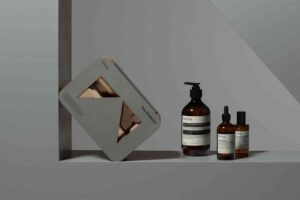
Many designers turn to online galleries or industry showcases for fresh ideas. Browsing platforms such as packaging design inspiration can spark creative thinking, even if your focus isn’t packaging. Observations from other disciplines often reveal new possibilities in colours, composition, and narrative structure.
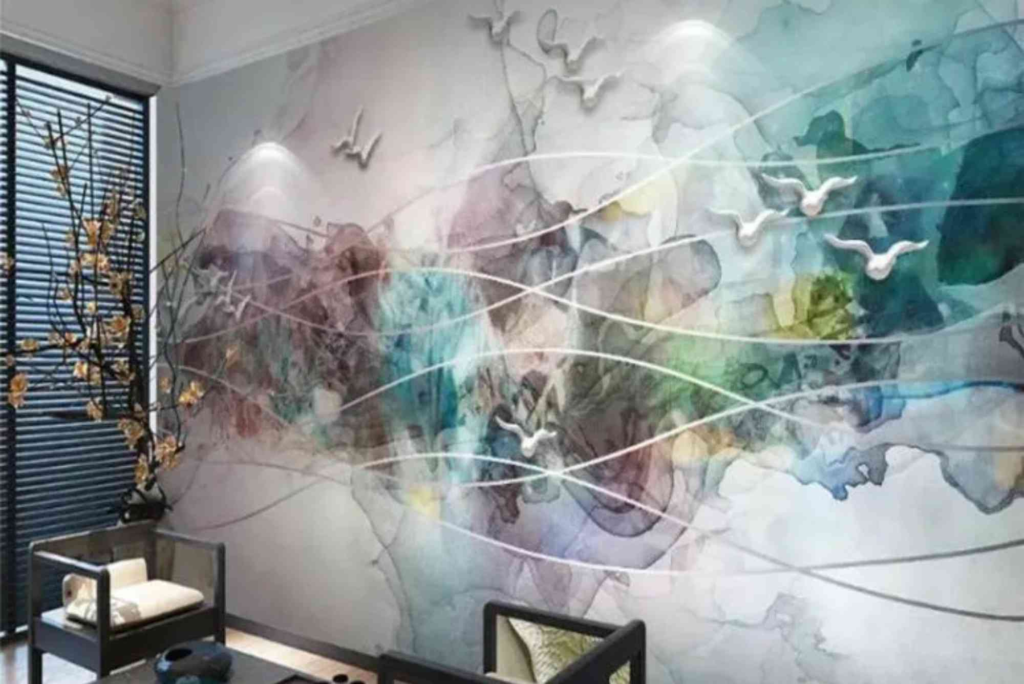
Consider how a mural celebrating movement could enhance a training zone. Or how abstract patterns might make a warm‑up area feel more dynamic. The goal is to connect visual storytelling with function so every element feels intentional. Great room printing design makes users feel seen and motivated.
Personal narratives or local cultural references can also add authenticity. For OrangeTheory Mountain View, integrating elements that reflect the community’s spirit or landscape reinforces belonging. When visitors see something they recognise or connect with, it deepens engagement.
Balancing Aesthetics with Practicality
While creativity matters, you must also balance visual ambition with practicality. Spaces that get heavy use need solutions that are easy to maintain. For instance, printed films that can be wiped clean without damage are ideal in environments where sweat and moisture are present.
Lighting plays a significant role in how printed design reads. Under‑lit graphics may fall flat, while overly bright light can wash out colours. Collaborating with lighting designers ensures graphics work in harmony with environmental conditions. Intentional lighting can enhance depth and make printed visuals truly stand out.
Accessibility should also be considered. Ensure that designs do not interfere with clear sightlines for safety or navigation. Graphics near instructional zones should complement, not distract from key equipment or signage.
Balancing these aspects ensures your room printing design is not just beautiful, but efficient and user‑centric. A well‑executed space feels effortless to those who use it.
The Process: From Concept to Completion
Creating a successful room printing design begins with discovery. You need to understand the space’s purpose, who will use it, and what emotions you want to evoke. Initial meetings with stakeholders help clarify goals and constraints.
Design development follows. This phase involves sketches, digital mock‑ups, and refinement of visual language. Here, room printing design intersects with branding, interior architecture, and user experience. Collaboration across disciplines yields a cohesive vision.
Once approved, the production and installation phase begins. Choosing a reliable printing provider is essential. Their expertise ensures colours accuracy and material appropriateness. Whether working with murals, decals, or surface wraps, precision is key.
Final installation requires care and coordination. Skilled installers consider surface preparation, alignment, and environmental conditions to achieve a flawless finish. Post‑installation review ensures all expectations are met.
This process reveals why professionals take room printing design seriously. It’s not just aesthetics; it’s strategy, execution, and experience working together.
Addressing Common Challenges
Every project has challenges. In the context of room printing design, common issues include surface irregularities, lighting limitations, and conflicting stakeholder expectations. Anticipating these challenges helps you develop flexible solutions.
Surfaces that are uneven or textured may require specialised techniques. A graphic that looks good on smooth drywall may distort on brick or concrete. Skilled designers adapt by selecting materials and workflows suited to each context.
Lighting, as mentioned earlier, can change how colours appear. Test swatches and mock‑ups help preview how final graphics read before full installation. This mitigates surprises and ensures satisfaction.
Managing expectations across teams also matters. Clear communication and visual prototypes reduce misalignment. When everyone understands the desired outcome, the process runs smoother.
Finally, preparing for maintenance ensures longevity. Establish cleaning protocols and inspect graphics periodically to address issues early. Small actions go a long way in preserving your investment.
Real‑World Applications Beyond Fitness
While OrangeTheory Mountain View illustrates how vibrant printed design can energise a fitness studio, the concept extends broadly. Retail spaces use room printing to create themed experiences. Educational facilities adopt murals to support learning and identity. Residential projects integrate custom graphics to personalise spaces.
Room printing design also supports temporary installations. Events, pop‑ups, and exhibitions use printed graphics to define zones and communicate messages quickly. Because these solutions can be removable, they offer flexibility without long‑term commitment.
In corporate settings, printed graphics reinforce company culture or celebrate achievements. Think wall‑to‑wall timelines, mission statements, or visual representations of values. These elements enrich workplace identity and foster connection.
Across all these applications, the core principles remain the same: clarity of message, thoughtful integration with space, and strategic use of materials.
Future Trends in Room Printing Design
The future of room printing design looks exciting. As technologies evolve, we’re seeing innovations in interactive surfaces, sustainable materials, and digital‑print customization. Rooms may soon integrate responsive elements that change based on light or motion.
Sustainability is becoming paramount. Clients are increasingly choosing eco‑friendly inks and recyclable substrates. These options reduce environmental impact without sacrificing quality.
Another trend involves blending digital and physical spaces. Augmented reality elements can complement printed design, offering layers of engagement. Imagine scanning a wall graphic with your phone to unlock workouts or brand stories — this fusion creates memorable experiences.
Staying informed about these developments helps you future‑proof your projects and remain competitive.
Transform Your Space with Intentional Design
Room printing design at OrangeTheory Mountain View demonstrates how thoughtful visuals can energise, inform and inspire. By integrating creative direction with brand identity and practical needs, you create spaces people connect with and remember. From material selection through execution, every step matters.
If you’re planning a project, consider how room printing design can elevate your space’s impact. Look beyond decoration to design that embodies purpose. Connect your story, engage your audience, and make environments that work for you.
Ready to bring your ideas to life? Explore Custom Packaging solutions that extend your brand beyond walls. Discover more creative inspiration here: packaging design inspiration. Visit our Buddy Packaging Location to see how thoughtful design transforms presence.
FAQs About Room Printing Design
What is room printing design and why does it matter?
Room printing design refers to integrating printed graphics into interior spaces to enhance aesthetics, communicate brand identity, and improve user experience. It matters because it transforms ordinary environments into memorable places that resonate with users.
How do I choose materials for room printing design?
Select materials based on durability, surface type, and environment. High‑traffic spaces may require robust vinyl or laminate coatings. Consider lighting and cleaning needs as well.
Can room printing design improve brand recognition?
Yes. When thoughtfully integrated with brand identity, room printing reinforces visual language and deepens connection with visitors, enhancing brand recognition and loyalty.
How long does room printing design installation take?
Installation time varies based on scope and surface complexity. Small areas may take a few hours, while full studio wraps can take days. Planning and professional installation ensure efficiency.
Are there sustainable options for room printing design?
Absolutely. Eco‑friendly inks, recyclable substrates, and low‑VOC materials are increasingly available. These options support environmental goals without compromising visual quality.