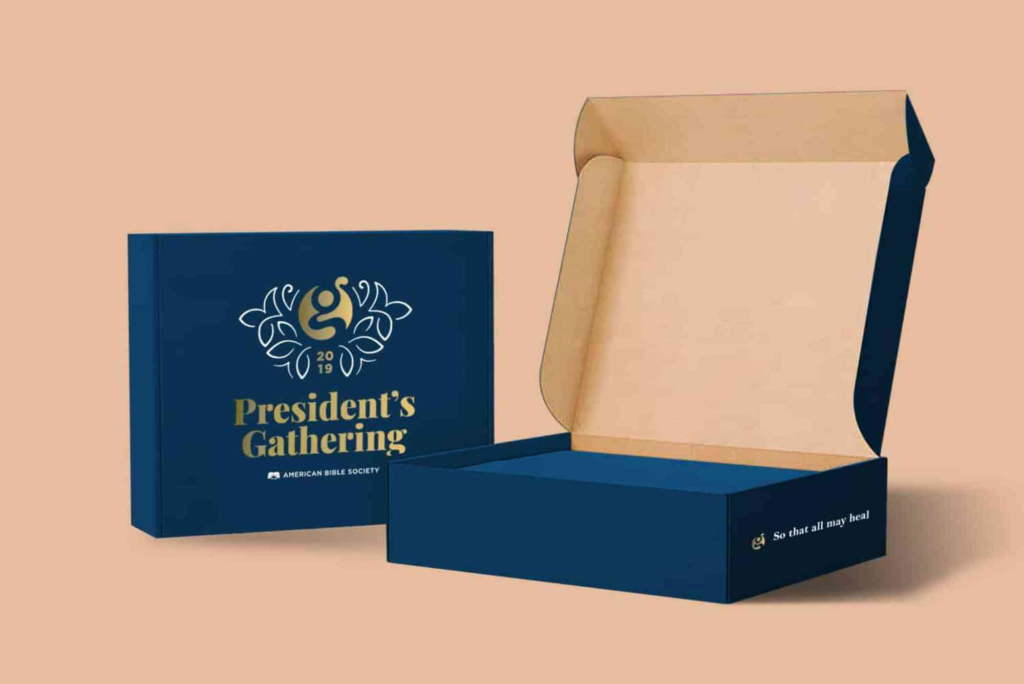
Product Packaging Design: A Complete Guide
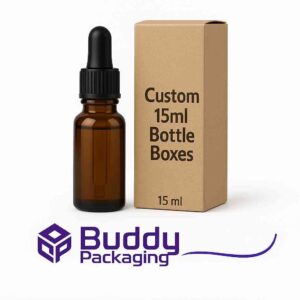
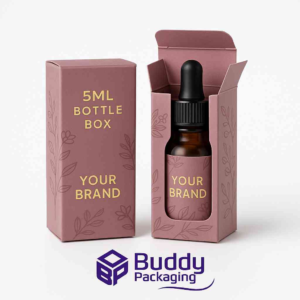
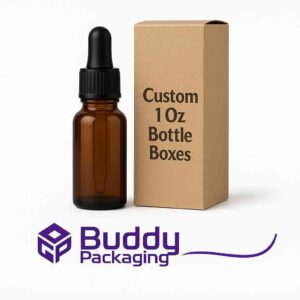
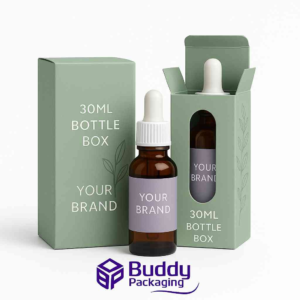
Product packaging design is more than just wrapping a product in a box. It’s about creating an identity that connects with customers, communicates value, and enhances brand recognition. In today’s competitive market, where consumers are exposed to countless options, the way your product is packaged can determine whether it gets picked up or overlooked.
The Importance of Product Packaging Design
Good product packaging design isn’t just about looks. It is the first interaction between a customer and your brand. It plays a crucial role in shaping perceptions, influencing buying decisions, and building loyalty. Packaging protects the product, but it also tells a story—your brand story.
First Impressions Matter
A strong first impression can make the difference between success and failure. Packaging is often the very first thing consumers notice. If it communicates quality, trust, and relevance, they are more likely to purchase.
Branding and Recognition
Packaging design strengthens brand recognition. Think of iconic brands: their packaging is instantly recognizable. A consistent, creative design ensures that customers remember your product among competitors.
Functionality and Protection
Besides branding, packaging must be functional. It should protect the product during transport, storage, and use. Durable yet appealing packaging creates trust and enhances customer satisfaction.
Key Elements of Effective Product Packaging Design
Designing the right packaging requires a balance of creativity and strategy. Certain elements influence how well your packaging resonates with your audience.
Color Psychology in Packaging
Colors trigger emotions and influence decisions. Bright colors attract attention, while muted tones suggest sophistication. Understanding color psychology helps brands choose shades that align with their values.
Typography and Fonts
The right font communicates personality. Bold fonts create impact, while elegant scripts suggest luxury. Legible, brand-consistent typography ensures your message is clear.
Materials and Sustainability
Modern consumers demand eco-friendly solutions. Sustainable packaging materials reduce environmental impact and reflect responsible branding. Paper, cardboard, and biodegradable plastics are gaining popularity.
Visual Storytelling
Graphics, images, and illustrations enhance communication. They create emotional connections, conveying product benefits without words. Visual storytelling strengthens brand recall.
The Role of Innovation in Packaging
Innovative product packaging design sets brands apart. In competitive markets, creativity can turn packaging into a powerful marketing tool.
Smart Packaging
Technology has made packaging interactive. QR codes, AR designs, and NFC tags engage customers beyond the shelf, offering product details or immersive experiences.
Minimalist Designs
Minimalism emphasizes simplicity and elegance. Clean packaging with fewer elements appeals to modern consumers who value clarity and sophistication.
Custom Packaging Solutions
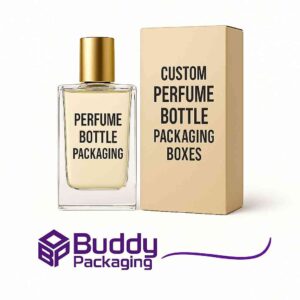
Personalised and custom packaging allows brands to tailor the experience. Unique shapes, textures, and finishes not only protect but also enhance perceived value.
How Product Packaging Design Influences Buying Behavior
Consumer psychology is closely tied to packaging design. Research shows that most purchase decisions are made within seconds. Packaging acts as a silent salesperson.
Building Emotional Connections
Emotional triggers influence purchase choices. A nostalgic design, luxurious feel, or eco-friendly message connects with buyers on a deeper level.
Communicating Value
Clear labeling, quality finishes, and premium materials make a product feel worth its price. Effective packaging highlights the benefits before a customer even tries the product.
Standing Out on Shelves
With hundreds of similar items available, distinctive packaging ensures visibility. Creative shapes, vibrant colors, and unique textures grab attention.
Trends in Product Packaging Design
Packaging design evolves with market demands and consumer expectations. Staying updated with trends helps brands remain relevant.
Sustainability as a Standard
Eco-friendly packaging is no longer optional. Brands adopting recyclable and reusable solutions show commitment to environmental responsibility.
Bold Typography and Graphics
Oversized fonts and strong graphics are trending. They create impact and communicate confidence in the product.
Premium Finishing Touches
Special finishes such as embossing, foil stamping, and spot UV add sophistication. Explore print & finishing insights for inspiration on premium effects.
Localized Design Approaches
Brands increasingly adapt packaging for local markets. This personalisation fosters stronger cultural connections and builds trust.
Challenges in Product Packaging Design
While packaging design offers opportunities, it also presents challenges. Businesses must balance creativity with practicality.
Balancing Cost and Quality
Premium packaging adds value but can be costly. The challenge lies in delivering visually stunning designs without exceeding budgets.
Environmental Concerns
With rising demand for sustainability, brands must find eco-friendly solutions without compromising durability.
Consistency Across Channels
Brands sell products both online and offline. Ensuring packaging looks great on shelves and in delivery boxes is vital for consistency.
The Future of Product Packaging Design
Looking ahead, packaging design will become more interactive, sustainable, and personalised. Brands that embrace these innovations will remain competitive.
Personalisation at Scale
Advances in digital printing enable cost-effective personalisation. Customers love packaging that feels designed just for them.
Tech-Integrated Packaging
Smart features like freshness indicators, scannable codes, and augmented reality will become mainstream, enhancing customer interaction.
Community-Centered Branding
Brands will design packaging that highlights local culture, social values, and community involvement. This strengthens customer loyalty.
FAQs
What is product packaging design?
It is the process of creating packaging that protects, promotes, and communicates the value of a product while reflecting brand identity.
Why is packaging design important?
It shapes first impressions, builds brand recognition, and influences purchase decisions. Packaging is both protective and promotional.
How do I choose the right packaging design?
Consider your target audience, brand identity, product type, and market trends. Work with designers who understand both function and aesthetics.
What materials are best for sustainable packaging?
Paperboard, biodegradable plastics, recycled cardboard, and compostable materials are popular eco-friendly options.
How much does product packaging design cost?
Costs vary based on materials, finishes, and design complexity. Custom solutions typically cost more but deliver higher perceived value.
Product packaging design is no longer just about enclosing a product. It’s a powerful marketing tool that tells your brand story, builds recognition, and influences buying decisions. By focusing on creativity, sustainability, and innovation, businesses can create packaging that stands out and connects with customers.
If you’re ready to elevate your brand with professional packaging, explore custom packaging options tailored to your needs. You can also learn more through industry-leading print & finishing insights or even visit Buddy Packaging Location for expert solutions. Start designing packaging that not only protects but also sells your product.