Introduction
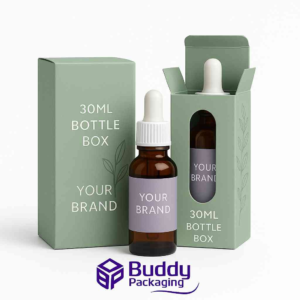
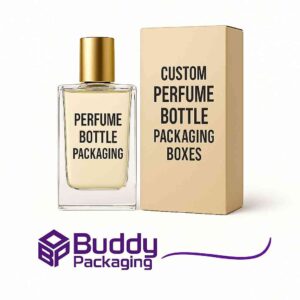
Product box packaging design plays a powerful role in how customers perceive a brand. The moment a buyer sees a product on a shelf or online store, the packaging often shapes the first impression. A well-crafted box can attract attention, communicate brand values, and influence buying decisions.
Modern businesses understand that packaging is more than just protection. It is a marketing tool that tells a story about the product and the brand behind it. Companies that invest in professional product box packaging design often experience stronger brand recognition and higher customer trust. For businesses that want unique and branded solutions, options like Custom Boxes can provide flexibility in size, style, and printing while ensuring products stand out in competitive markets.
Why Product Box Packaging Design Matters
Product packaging is often the first physical interaction between a brand and its customers. Because of this, the design must balance creativity, functionality, and brand communication.
Creating a Strong First Impression
Customers make quick judgments about products. A visually appealing box instantly communicates quality and professionalism. If the packaging looks premium, buyers often assume the product inside is equally valuable.
Colours, typography, and layout must work together to attract attention while remaining easy to read. When packaging is designed carefully, it builds curiosity and encourages customers to pick up the product.
Building Brand Identity
Consistent packaging strengthens brand identity. When customers repeatedly see the same design elements, they begin to recognise the brand quickly.
Logos, brand colours, and typography should be integrated into the packaging layout. This consistency creates familiarity and builds trust over time. Strong brand recognition can eventually influence customer loyalty.
Improving Product Protection
While appearance is important, packaging must also protect the product. Boxes should be strong enough to withstand shipping, handling, and storage.
Material selection plays a major role here. Corrugated cardboard, rigid boxes, and kraft materials each offer different levels of protection. A smart product box packaging design combines durability with visual appeal.
Encouraging Purchase Decisions
Packaging can act as a silent salesperson. Clear product information, attractive graphics, and thoughtful design can persuade customers to buy.
Many buyers choose products simply because the packaging looks trustworthy and appealing. This is why companies often invest heavily in packaging research and design.
Key Elements of Effective Product Box Packaging Design
Creating effective packaging requires attention to several design elements. These elements work together to deliver a memorable customer experience.
Visual Hierarchy
Visual hierarchy helps customers understand the information on the box quickly. The most important details should stand out immediately.
The product name usually appears in a large font. Supporting information such as features, ingredients, or instructions appears in smaller text. This structure ensures readability.
Colour Psychology
Colours influence emotions and buying behaviour. Different colours communicate different brand messages.
Blue often represents trust and reliability. Green is associated with nature and sustainability. Red creates excitement and urgency.
Choosing the right colour palette helps reinforce the product’s identity and target audience.
Typography
Typography affects how information is perceived. Clean and readable fonts improve user experience.
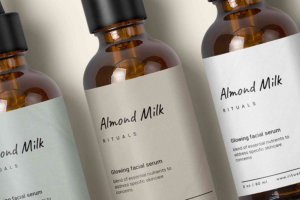
Luxury brands often use elegant serif fonts, while modern brands prefer minimal sans-serif styles. The key is consistency with brand personality.
Imagery and Graphics
High-quality images and graphics can make packaging more engaging. Illustrations, icons, and product photos can explain features quickly.
However, designers must avoid overcrowding the box. Too many visuals can make the design confusing.
Material Selection
Material selection influences both durability and aesthetics. Some products require sturdy rigid boxes, while others work well with lightweight cardboard.
Sustainable materials are also becoming popular. Many brands now choose recyclable or biodegradable packaging to appeal to environmentally conscious customers.
Types of Product Box Packaging Designs
Different products require different packaging structures. Understanding these types helps businesses choose the right design.
Folding Cartons
Folding cartons are among the most common packaging types. They are lightweight, affordable, and easy to print.
These boxes work well for cosmetics, electronics, and food items.
Rigid Boxes
Rigid boxes offer a premium feel. They are thick and sturdy, making them ideal for luxury products.
Many high-end brands use rigid packaging for watches, jewellery, and electronics.
Corrugated Boxes
Corrugated boxes are known for their strength. They are commonly used for shipping and protective packaging.
Their layered structure protects products during transportation.
Kraft Boxes
Kraft packaging is popular among eco-friendly brands. The natural brown appearance creates a rustic and sustainable image.
Many organic and handmade product brands prefer kraft boxes.
Steps to Create an Effective Product Box Packaging Design
Designing packaging requires careful planning and collaboration between designers, marketers, and manufacturers.
Understand the Target Audience
The first step is understanding who will buy the product. Packaging design should match the expectations of the target audience.
For example, luxury buyers expect elegant and premium packaging. Meanwhile, eco-conscious customers appreciate sustainable materials.
Define the Brand Message
Every package should communicate a clear brand message. Designers must understand what the brand represents before creating visuals.
Is the brand innovative, eco-friendly, luxurious, or affordable? The design should reflect this identity.
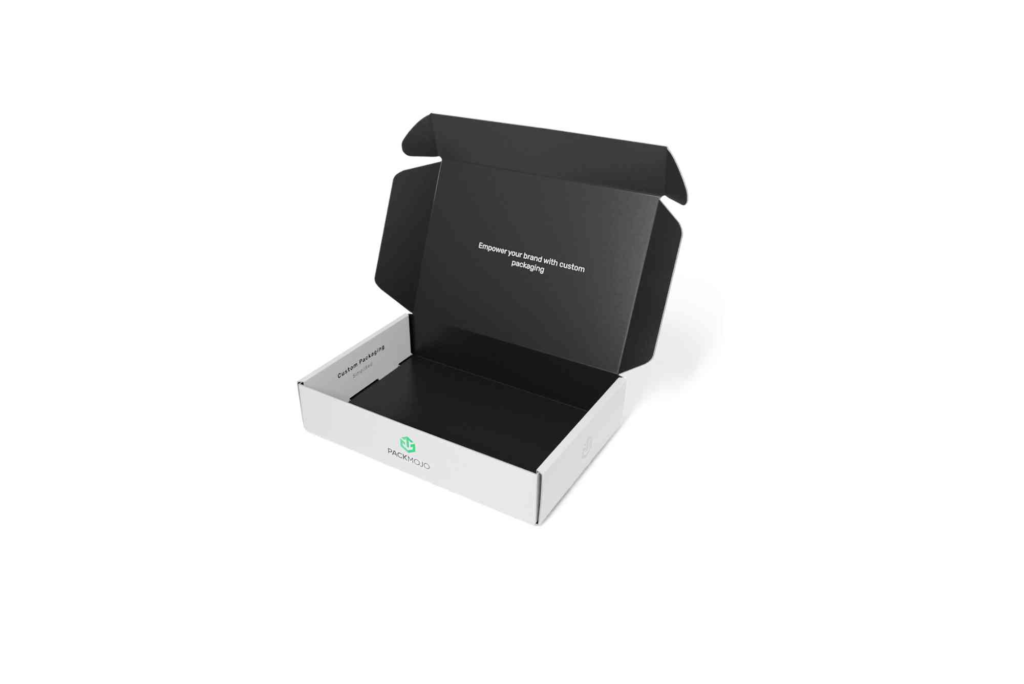
Choose the Right Box Structure
Box structure affects usability and protection. Designers must select a structure that suits the product size and weight.
A well-designed box should open easily while protecting the product during shipping.
Focus on Print Quality
Printing quality greatly impacts the final appearance of packaging. High-resolution graphics and precise colour matching are essential.
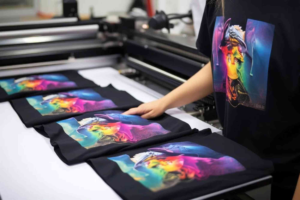
Businesses often explore professional print & finishing insights to understand techniques like embossing, foiling, and spot UV that enhance packaging appeal.
Test the Packaging
Before mass production, packaging prototypes should be tested. This step ensures the design functions properly and protects the product.
Testing also helps identify any usability or durability issues.
The Role of Sustainable Packaging
Sustainability is now a major factor in product box packaging design. Consumers increasingly prefer brands that reduce environmental impact.
Eco-friendly packaging materials include recycled cardboard, biodegradable inks, and minimal plastic usage. These solutions reduce waste while maintaining packaging performance.
Companies that adopt sustainable packaging often strengthen their brand reputation. Customers appreciate brands that take responsibility for environmental protection.
How Packaging Influences Customer Experience
Product packaging is part of the overall customer journey. From unboxing to disposal, every stage influences how customers feel about the brand.
Unboxing Experience
The unboxing experience has become important in the era of social media. Attractive packaging encourages customers to share their experience online.
A thoughtful design can turn a simple purchase into a memorable moment.
Ease of Use
Packaging should be easy to open and handle. Complicated designs can frustrate customers.
Simple yet functional designs create positive user experiences.
Information Accessibility
Customers rely on packaging for product information. Clear instructions, ingredients, and safety details improve trust and usability.
Trends in Product Box Packaging Design
Packaging design trends continue to evolve as technology and consumer preferences change.
Minimalist design has become extremely popular. Clean layouts and simple colours help products look modern and premium.
Smart packaging technology is also emerging. QR codes and interactive elements connect physical packaging with digital experiences.
Personalised packaging is another growing trend. Brands now create limited-edition boxes or customised messages for customers.
Location-based branding is also useful for businesses serving local markets. Companies sometimes highlight their presence through references such as Buddy Packaging Location to help customers easily find their services.
Common Mistakes in Packaging Design
Even experienced brands sometimes make mistakes when designing packaging.
Overcomplicated designs often confuse customers. Packaging should communicate clearly within seconds.
Another common mistake is ignoring practicality. If the box does not protect the product properly, even the best design will fail.
Poor print quality is another issue. Low-quality printing reduces the perceived value of the product.
Finally, failing to test packaging before production can lead to costly redesigns.
Future of Product Box Packaging Design
The future of packaging design will likely focus on sustainability, technology, and personalisation.
Smart packaging will continue to grow. Features like QR codes and augmented reality can provide product details and interactive experiences.
Sustainable packaging will also dominate future trends. Governments and consumers increasingly demand eco-friendly solutions.
Brands that invest in innovative product box packaging design today will remain competitive in the years ahead.
Product box packaging design is a critical element of modern branding and marketing. It does far more than protect a product. It communicates brand identity, influences purchasing decisions, and creates memorable customer experiences.
Businesses that invest in thoughtful packaging design often gain a competitive advantage in crowded markets. By focusing on visual appeal, functionality, and sustainability, brands can create packaging that attracts attention and builds trust.
Choosing the right enclosure is essential for getting the best performance from your car audio system. A well-built single 12 inch subwoofer box design improves bass quality, enhances sound clarity, and protects the subwoofer. By understanding the correct box dimensions, materials, and airflow design, you can significantly improve overall audio output and enjoy a deeper, more powerful listening experience.
FAQs
What is product box packaging design?
Product box packaging design refers to the process of creating the visual and structural design of a product box. It combines branding, graphics, materials, and functionality.
Why is packaging design important for products?
Packaging design attracts attention, protects products, and communicates brand values. It can strongly influence customer purchase decisions.
What materials are used in product packaging boxes?
Common materials include cardboard, corrugated board, rigid paperboard, and kraft paper. Each material offers different strength and visual qualities.
How does packaging design affect branding?
Consistent packaging strengthens brand recognition. Colours, logos, and typography help customers identify the brand quickly.
What makes packaging eco-friendly?
Eco-friendly packaging uses recyclable or biodegradable materials. It also minimises plastic use and reduces overall packaging waste.