Printing Logo Design: The Foundation of Powerful Brand Visibility
Printing logo design plays a vital role in how a brand is seen, trusted, and remembered. A logo is often the first visual touchpoint customers experience. When that logo is printed on packaging, stationery, or promotional material, its quality directly reflects your professionalism. In the UK market, where competition is strong across every sector, printing logo design can shape buying decisions faster than any slogan.
A well-designed logo that prints clearly across formats builds instant recognition. It also creates consistency across online and offline channels. From business cards to boxes, every printed surface becomes a silent brand ambassador. This article explains how printing logo design works, why it matters, and how to get it right for long-term success.
What Is Printing Logo Design and Why It Matters
Printing logo design refers to creating a logo that maintains clarity, colour accuracy, and impact when physically printed. Unlike digital-only logos, printed logos must perform across different materials, inks, and sizes. Many brands make the mistake of designing logos only for screens. When printed, these logos lose detail or look inconsistent.
In the UK retail and service sectors, printed branding still holds strong influence. Customers interact with packaging, invoices, signage, and labels daily. A strong printing logo design ensures your brand looks reliable everywhere it appears. This consistency increases trust and improves recall over time.
The Difference Between Digital Logos and Print-Ready Logos
A logo that looks perfect on a website may fail when printed. Screens use RGB colour, while printers use CMYK. This difference affects brightness, contrast, and tone. Printing logo design accounts for these technical changes from the start.
Print-ready logos are created using vector formats. These formats allow scaling without losing quality. They also ensure sharp edges and accurate colour reproduction. In contrast, raster images often blur or pixelate when resized. A professional printing logo design avoids these issues completely.
How Printing Logo Design Supports Brand Consistency
Brand consistency is essential for recognition. When customers see the same logo style across packaging, marketing materials, and products, trust grows naturally. Printing logo design ensures your logo looks identical on cardboard, paper, fabric, and plastic.
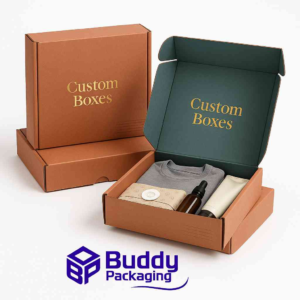
Consistency also matters for packaging. Brands using Custom Packaging gain a strong edge because their printed logos feel intentional and premium. When logo design and packaging work together, the product feels more valuable before it is even opened.
Understanding Colour Accuracy in Printing Logo Design
Colour accuracy is one of the biggest challenges in printing logo design. A slight colour shift can change how your brand feels. For example, deep blues may appear dull, while bright reds can turn muddy if not adjusted correctly.
Professional designers test colours through print proofs. They also use Pantone colours when exact consistency is required. This approach ensures the same shade appears across different printers and materials. In the UK, where brand standards are often strict, colour accuracy protects brand integrity.
Typography Choices That Print Well
Fonts behave differently in print compared to screens. Thin fonts may disappear, while decorative styles can lose readability. Printing logo design requires typography that remains clear at small sizes and on textured surfaces.
Sans-serif fonts often perform well in print. However, serif fonts can work if spacing and weight are adjusted. The key is balance. A logo should feel distinctive without sacrificing legibility. This balance becomes even more important on packaging and labels.
Logo Placement and Spacing in Printed Materials
Placement affects perception. A logo that feels cramped or misaligned reduces visual impact. Printing logo design includes clear spacing rules to protect the logo’s shape and presence.
Designers often create a clear space guide around the logo. This space prevents other elements from crowding it. Whether printed on boxes, flyers, or banners, proper spacing helps the logo stand out confidently.
Material Selection and Its Impact on Logo Printing
Different materials absorb ink differently. Glossy surfaces reflect light, while matte finishes absorb it. Cardboard, kraft paper, and fabric each affect how colours and lines appear. Printing logo design considers these variables early in the process.
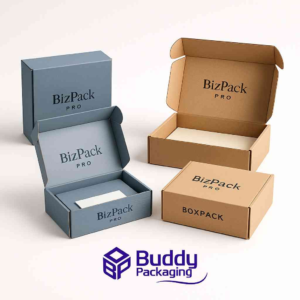
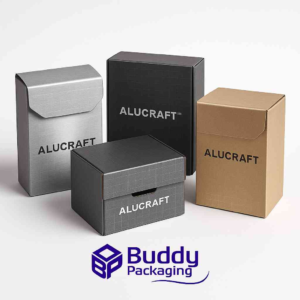
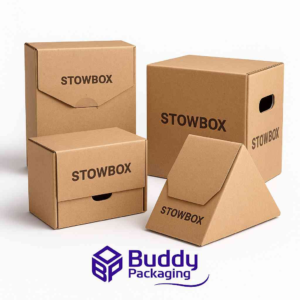
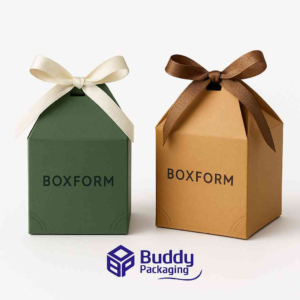
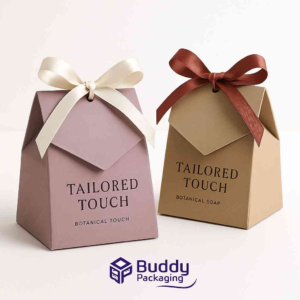
For packaging, material choice is crucial. Logos printed on kraft boxes often need stronger contrast. On premium packaging, foil stamping or embossing can elevate the logo further. These techniques add texture and perceived value without changing the logo itself.
The Role of Printing Logo Design in Packaging
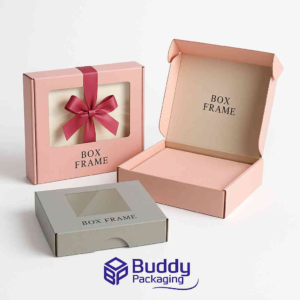
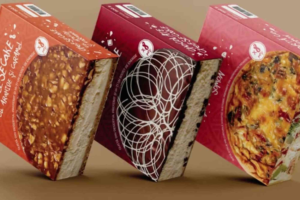
Packaging is often the most visible printed asset a brand owns. In retail, customers interact with packaging before the product. A clear, professional logo increases perceived quality instantly.
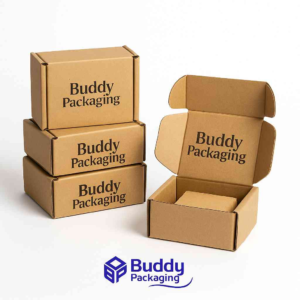
Brands investing in Custom Packaging often see higher customer satisfaction and repeat purchases. When the logo is printed cleanly and consistently, it reinforces brand identity at every touchpoint. This effect is especially strong in e-commerce, where packaging becomes part of the unboxing experience.
Common Printing Logo Design Mistakes to Avoid
One common mistake is using low-resolution files. These files look fine online but fail in print. Another issue is relying on gradients or shadows that do not translate well to certain materials.
Overcomplicating the logo is also risky. Fine details can disappear when printed small. Printing logo design favours simplicity and clarity. A logo should remain recognisable even in black and white.
Ignoring professional packaging design tips can also hurt results. Understanding layout, contrast, and hierarchy improves how logos interact with other printed elements.
How Professional Designers Approach Printing Logo Design
Experienced designers start with research. They understand the brand, audience, and use cases. They then design logos that adapt across formats without losing identity.
Testing is a critical step. Designers print samples on different materials to check clarity and colour. This hands-on approach aligns with Google’s E-E-A-T principles by demonstrating real-world experience and expertise.
Printing Logo Design for Small Businesses in the UK
Small businesses often rely heavily on printed branding. Local shops, cafes, and service providers benefit from strong visual identity. Printing logo design helps small brands look established and trustworthy.
Cost efficiency also matters. A well-designed logo reduces reprint errors and material waste. Over time, this saves money and protects brand reputation.
Sustainability and Eco-Friendly Printing Considerations
Sustainability is increasingly important in the UK. Printing logo design can support eco goals by using fewer colours and simpler processes. This approach reduces ink usage and environmental impact.
Eco-friendly packaging materials also influence logo design. Designers adapt logos to work well on recycled surfaces without losing impact. This alignment strengthens brand values and appeals to conscious consumers.
The Future of Printing Logo Design
Printing logo design continues to evolve. Advances in printing technology allow more precision and creative finishes. However, the core principles remain the same. Clarity, consistency, and adaptability matter most.
Brands that invest in strong printing logo design today will benefit across future platforms. Whether on packaging, merchandise, or signage, a solid logo foundation supports growth.
Frequently Asked Questions
What makes a logo suitable for printing
A print-ready logo uses vector formats, clear typography, and adjusted colours. It remains sharp at any size.
Why does my logo look different when printed
This usually happens due to colour mode differences or low-resolution files. Professional printing logo design prevents this issue.
Should I design separate logos for print and digital
You should design one adaptable logo system. Variations can exist, but the core identity stays consistent.
How important is packaging for logo printing
Packaging is one of the most impactful uses of a printed logo. It shapes first impressions and brand value.
Can I use my online logo file for printing
In most cases, no. Print requires specific formats and colour settings for best results.
Invest in Printing Logo Design for Lasting Impact
Printing logo design is more than a technical step. It is a strategic investment in how your brand is perceived. A logo that prints well builds trust, recognition, and professionalism across every physical touchpoint.
In the competitive UK market, strong printed branding still matters deeply. From packaging to promotional materials, your logo speaks before you do. By focusing on clarity, consistency, and real-world performance, you create a brand identity that lasts.
If you want your brand to stand out, now is the time to review your printing logo design. Work with professionals, test your materials, and ensure every print reflects your brand’s true quality.