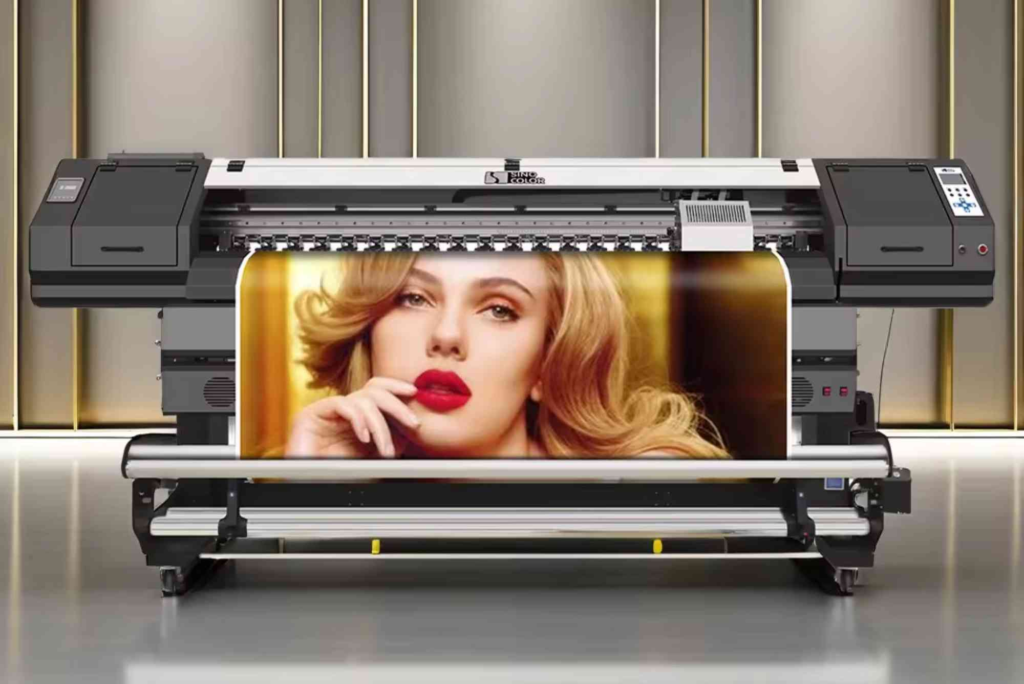
Printing Design Machine: Powering Modern Printing and Design
A printing design machine has become an essential tool for businesses that rely on visual communication. From packaging to branding and marketing materials, these machines combine creativity with technology. They allow companies to produce accurate, high-quality prints at scale. In today’s competitive market, speed, consistency, and design precision matter more than ever. This is where the printing design machine plays a vital role.
In the UK printing industry, demand continues to grow for advanced machines that handle complex designs with ease. Whether you run a small print studio or a large manufacturing unit, the right printing design machine can transform your workflow. It improves efficiency, reduces waste, and ensures consistent brand output. This article explores how these machines work, where they are used, and why they are critical for modern printing needs.
Understanding What a Printing Design Machine Is
A printing design machine is a specialised device used to create and reproduce visual designs on various materials. These materials include paper, cardboard, fabric, plastic, and even metal. Unlike traditional printers, these machines integrate design software with precision printing systems. This integration ensures that digital designs appear exactly as intended in physical form.
Modern printing design machines use advanced technologies such as digital printing, offset printing, and UV printing. Each technology serves different purposes. Digital machines are ideal for short runs and custom projects. Offset machines are better suited for high-volume printing with consistent results. UV machines allow printing on non-porous surfaces with fast drying times.
The key strength of a printing design machine lies in its accuracy. Colours remain consistent, lines stay sharp, and details appear clear. This level of precision is essential for branding, packaging, and promotional materials.
Why Printing Design Machines Matter in Today’s Market
Businesses today face intense competition. Customers notice quality, presentation, and detail. A printing design machine helps businesses meet these expectations. It allows brands to produce professional-grade materials that build trust and recognition.
Cost efficiency is another major factor. Although the initial investment may seem high, these machines reduce long-term costs. They minimise errors, reduce reprints, and optimise material usage. Over time, this leads to significant savings.
Speed also plays a critical role. With fast turnaround times, businesses can respond quickly to market demands. This is especially important in sectors such as retail and packaging. For example, companies producing Custom Packaging often rely on printing design machines to meet tight deadlines while maintaining quality. You can see how packaging-focused printing solutions support branding and functionality through platforms offering Custom Packaging services.
Applications Across Industries
Printing design machines are used across many industries in the UK. In packaging, they produce boxes, labels, and branded materials with high visual appeal. Retail brands depend on consistent packaging to stand out on shelves. These machines ensure that every unit matches the brand’s identity.
In marketing and advertising, printing design machines create brochures, banners, posters, and signage. High-resolution output helps campaigns look professional and credible. Educational institutions also use these machines for learning materials, certificates, and promotional items.
Textile and fashion industries benefit from printing design machines that handle fabric printing. These machines allow designers to experiment with patterns and colours. The result is faster production and reduced reliance on manual processes.
Key Features That Define a High-Quality Printing Design Machine
A high-quality printing design machine offers several essential features. Precision colour management ensures accurate reproduction of brand colours. This is critical for maintaining visual consistency across different materials and print runs.
Another important feature is software integration. Modern machines connect seamlessly with design tools such as Adobe Illustrator and CorelDRAW. This connection reduces errors during file transfer and improves workflow efficiency.
Durability and reliability also matter. A machine designed for continuous operation reduces downtime and maintenance costs. User-friendly interfaces further improve productivity by making operation simple, even for complex projects.
The Role of Design in Printing Accuracy
Design quality directly affects print results. A printing design machine relies on well-prepared files to deliver optimal output. High-resolution images, correct colour profiles, and proper formatting ensure smooth printing.
Design inspiration plays an important role here. Designers often look for global trends and creative ideas before finalising layouts. Platforms that showcase packaging design inspiration help designers understand what works in real-world applications. Exposure to professional designs improves creativity and ensures that printed materials meet modern standards.
By combining strong design principles with advanced printing machines, businesses can achieve results that look polished and professional.
Sustainability and Modern Printing Design Machines
Sustainability has become a priority in the UK printing industry. Modern printing design machines support eco-friendly practices. Many machines use energy-efficient systems and low-waste printing methods. Digital printing, in particular, reduces setup waste compared to traditional methods.
Eco-friendly inks and recyclable materials further reduce environmental impact. Businesses that invest in sustainable printing solutions also improve their brand image. Customers increasingly prefer companies that demonstrate environmental responsibility.
A printing design machine that supports sustainable practices offers both ethical and commercial benefits. It aligns businesses with modern consumer values while reducing operational costs.
Choosing the Right Printing Design Machine for Your Business
Selecting the right printing design machine depends on business needs. Print volume is a key consideration. Small businesses may benefit from digital machines that handle custom jobs efficiently. Larger operations often require offset or hybrid machines for bulk production.
Material compatibility is another factor. Some machines handle only paper, while others print on diverse surfaces. Understanding your product range helps narrow down suitable options.
Support and maintenance services should also influence your decision. Reliable suppliers offer training, technical support, and spare parts. This ensures long-term performance and reduces downtime.
The Future of Printing Design Machines
Technology continues to evolve, and printing design machines are no exception. Automation is becoming more common, with machines handling tasks such as alignment, colour correction, and quality checks. This reduces human error and increases efficiency.
Artificial intelligence is also shaping the future of printing. AI-powered systems analyse print data to optimise settings and predict maintenance needs. This leads to consistent output and reduced operational disruptions.
Personalisation is another growing trend. Printing design machines now support variable data printing, allowing businesses to customise each print. This is especially useful for marketing campaigns and personalised packaging.
FAQs
What is a printing design machine used for?
A printing design machine is used to transfer digital designs onto physical materials. It ensures accuracy, colour consistency, and high-quality output for commercial printing needs.
How much does a printing design machine cost in the UK?
The cost varies depending on size, technology, and features. Entry-level machines may cost a few thousand pounds, while industrial systems can reach six figures.
Is a printing design machine suitable for small businesses?
Yes, many machines are designed specifically for small businesses. Digital printing design machines offer flexibility, affordability, and ease of use for smaller operations.
What materials can a printing design machine print on?
Depending on the model, these machines can print on paper, cardboard, fabric, plastic, and other specialised surfaces.
How do printing design machines support branding?
They ensure consistent colours, sharp designs, and professional finishes. This consistency strengthens brand recognition across all printed materials.
Invest in the Right Printing Design Machine
A printing design machine is more than just equipment. It is an investment in quality, efficiency, and brand identity. Businesses that adopt modern printing solutions gain a competitive advantage. They produce better materials, meet deadlines, and maintain consistent branding.
As printing technology continues to advance, the importance of choosing the right machine becomes even greater. Whether you focus on packaging, marketing, or creative design, the right printing design machine can elevate your output.
If you want to improve print quality, reduce costs, and strengthen your brand presence, now is the time to explore advanced printing solutions. Partner with experienced suppliers and invest in technology that supports long-term growth. Your business deserves print results that truly stand out.