Introduction
Playing card box design plays a powerful role in how a deck is perceived, protected, and remembered. Whether you are launching a custom deck for collectors, magicians, casinos, or promotional use, the packaging often makes the first impression. A well-crafted box does more than hold cards. It communicates brand identity, builds anticipation, and influences buying decisions.
In today’s competitive retail and online markets, playing card box design must balance aesthetics, durability, and function. It should reflect the personality of the deck while ensuring the cards remain safe and pristine. From material selection to print finishes, every detail matters. This guide explores the essential elements, professional techniques, and strategic decisions behind creating exceptional packaging for playing cards.
Why Playing Card Box Design Matters
A deck of cards is a tactile product. People hold it, shuffle it, and display it. Therefore, the box is not just outer packaging. It becomes part of the experience.
First, the box protects the cards from bending, moisture, and dust. Without strong construction, even the finest cards lose their value. Secondly, the design sets expectations. A luxury deck demands premium packaging. A fun family game requires bright, inviting visuals.
Moreover, playing card box design directly impacts shelf appeal. In a crowded store, customers scan visually within seconds. An eye-catching box can make the difference between a sale and a missed opportunity. For brands investing in quality packaging solutions like Custom Boxes, strategic design decisions enhance perceived value and trust.
Core Elements of Effective Playing Card Box Design
Structural Design and Box Style
Most playing cards use a tuck-end box. This style is practical and cost-effective. However, designers can elevate the structure with small adjustments.
A standard tuck box includes a top flap and inner dust flaps. These prevent cards from sliding out. Some premium decks add magnetic closures or drawer-style rigid boxes. These create a luxurious unboxing experience.
The structural design must align with the deck’s purpose. For example, magician decks often use compact tuck boxes for portability. Collector editions might feature rigid two-piece boxes with foil stamping.
Durability also depends on precise dielines. Accurate measurements ensure the cards fit snugly without pressure. Even a few millimetres can affect usability.
Material Selection
Material choice shapes both durability and brand perception. Most standard decks use 300–350gsm card stock. This provides enough strength while remaining lightweight.
However, premium playing card box design often uses thicker board or rigid greyboard wrapped in printed paper. This adds weight and a sense of quality. In addition, eco-friendly kraft board appeals to environmentally conscious customers.
The finish of the material matters too. Matte lamination gives a modern, soft look. Gloss lamination enhances colour vibrancy. Soft-touch coatings create a velvet feel that feels premium in hand.
Selecting the right material ensures the box withstands repeated opening and closing without cracking at the folds.
Visual Identity and Branding
Strong branding transforms a simple box into a memorable product. The logo placement, typography, and colour palette must work together.
Consistency is essential. The front panel typically displays the brand name and deck title. The back can showcase design details or card artwork previews. Meanwhile, side panels often include taglines or subtle branding.
When designing for retail, consider how the box appears both upright and laid flat. Online shoppers view images from multiple angles, so every surface must look polished.
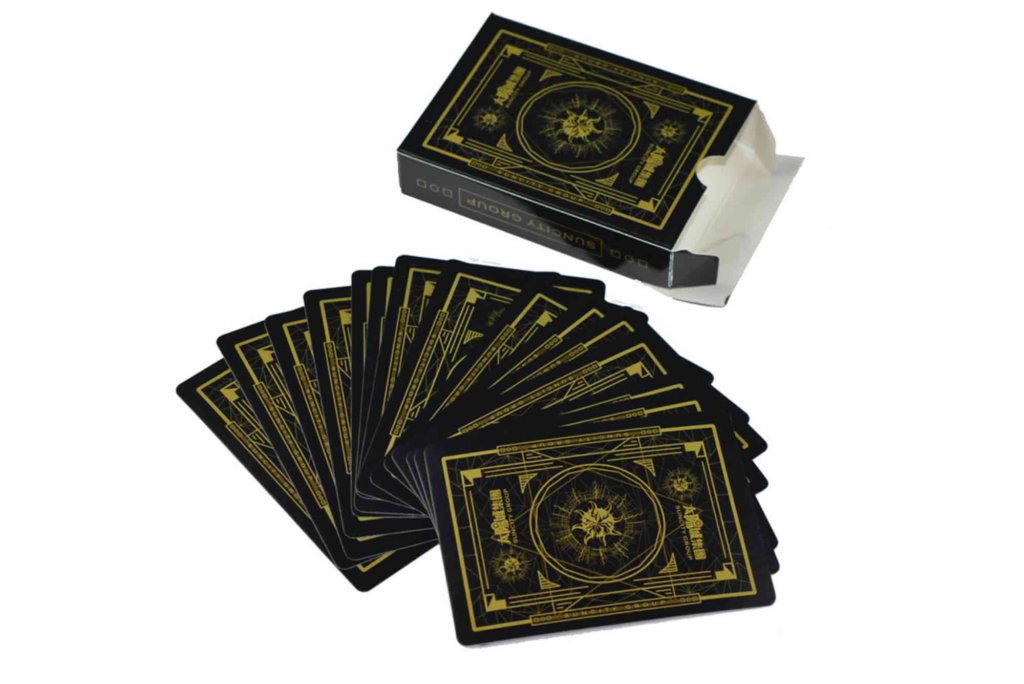
Colour psychology also plays a key role. Dark tones suggest sophistication. Bright colours convey playfulness. Metallic accents communicate exclusivity.
Designers seeking inspiration often refer to professional resources and box design tips on platforms such as Creative Bloq, which highlight current packaging trends and typography practices.
Printing Techniques That Elevate Playing Card Box Design
Printing transforms concept into reality. High-quality printing ensures colours are accurate and sharp.
Offset printing is common for larger production runs. It offers consistent results and cost efficiency. Digital printing works well for short runs or limited editions.
However, what truly elevates playing card box design is the use of specialty finishes.
Foil stamping adds metallic shine to logos or borders. Gold and silver remain popular, but coloured foils create unique effects. Embossing raises certain elements for tactile impact. Debossing presses them inward for a subtle effect.
Spot UV coating highlights specific areas with gloss against a matte background. This contrast creates visual depth. Meanwhile, holographic effects add a modern, eye-catching touch, especially for collector decks.
Each technique should enhance the design, not overwhelm it. Balance is key.
Designing for Different Markets
Casino and Professional Decks
Casino decks prioritise security and brand visibility. The box must clearly display the casino’s name and location. Tamper-evident seals are often required.
These boxes usually follow strict size standards. Clean typography and bold colours dominate the design.
Collector and Luxury Decks
Collector decks focus on storytelling. The packaging often reflects a theme, such as mythology, history, or fantasy.
In these cases, playing card box design becomes part of the narrative. Intricate illustrations, foil details, and textured finishes create a sense of exclusivity.
Limited edition numbering printed on the box enhances perceived rarity. Many collectors value pristine packaging as much as the cards themselves.
Promotional and Corporate Decks
Businesses use custom playing cards as marketing tools. Here, branding takes priority.
The box should prominently feature the company logo and contact information. However, it must remain visually appealing rather than purely corporate.
A well-designed promotional deck reinforces brand identity long after initial distribution.
The Role of Sustainability in Modern Playing Card Box Design
Sustainability influences consumer choices more than ever. Brands that adopt eco-friendly materials gain trust and loyalty.
Recycled board, soy-based inks, and biodegradable coatings reduce environmental impact. Minimalist packaging also lowers material usage.
Clear sustainability messaging printed on the box reassures customers. However, claims must be genuine and verifiable.
Designers should consider the entire lifecycle of the packaging. Lightweight materials reduce shipping emissions. Compact designs minimise waste.
Balancing sustainability with durability ensures the box remains functional without compromising environmental responsibility.
Practical Considerations Before Production
Before finalising a playing card box design, test prototypes are essential. Physical samples reveal issues that digital mock-ups cannot.
Check the fit of the cards. Ensure the flap closes securely. Examine colour accuracy under natural and artificial light.
Barcode placement is another important detail. Retailers require scannable codes in specific positions. Ignoring this can delay distribution.
Legal information, including manufacturer details and safety warnings, must also be included where necessary.
Working closely with experienced packaging suppliers ensures smooth production. Clear communication about print specifications and tolerances prevents costly errors.
Enhancing the Unboxing Experience
Unboxing has become part of the product journey. Social media platforms amplify this experience.
A thoughtful playing card box design creates anticipation. Inner printing inside the tuck flap can surprise customers. Hidden messages or artwork add delight.
Smooth opening and closing mechanics improve usability. Even the sound of the box opening contributes to perceived quality.
For premium editions, tissue wrapping or seals elevate the moment. Small touches leave lasting impressions.
When customers share unboxing videos, the packaging becomes free marketing. Therefore, design decisions directly impact brand visibility.
Digital Presentation and E-commerce
Online shoppers rely heavily on images. Therefore, playing card box design must photograph well.
High-resolution artwork ensures details remain sharp on digital platforms. Reflective finishes should be carefully planned to avoid glare in photos.
Providing 3D mock-ups helps customers visualise the product. Clear product descriptions reinforce the design’s value.
Strong packaging increases perceived trust in online purchases. Customers feel more confident when the product appears professionally presented.
Common Mistakes to Avoid
Overcomplicated layouts can confuse customers. Cluttered designs reduce impact.
Poor quality materials lead to damaged boxes and negative reviews. Always prioritise durability.
Inconsistent branding weakens recognition. Ensure colours and fonts match your overall brand guidelines.
Finally, neglecting user experience can harm sales. The box should open easily without tearing.
Careful planning and professional collaboration minimise these risks.
Future Trends in Playing Card Box Design
Minimalist design continues to grow in popularity. Clean layouts with bold typography create modern appeal.
Interactive elements may also increase. QR codes linking to digital content add value without clutter.
Textured surfaces and innovative materials will likely shape premium segments. Meanwhile, eco-friendly innovations will remain central to design decisions.
Brands that stay aware of evolving consumer preferences will maintain competitive advantage.
Invest in Exceptional Playing Card Box Design
Playing card box design is far more than decorative packaging. It protects the product, communicates brand identity, and shapes customer perception. From structural choices to premium finishes, every decision influences success.
Whether you are creating a luxury collector deck or a corporate promotional pack, thoughtful design ensures your cards stand out in a competitive market. By focusing on quality materials, strong branding, and sustainable practices, you build trust and lasting appeal.
If you are ready to elevate your next deck, partner with experienced packaging specialists who understand both creativity and precision. Invest in professional playing card box design today and transform ordinary cards into an unforgettable experience.
Luxury Perfume Box Design reflects the true essence of elegance, craftsmanship, and brand identity. A beautifully designed perfume box not only protects the fragrance but also enhances its visual appeal and perceived value. Premium materials, refined finishes, and bespoke detailing create a memorable unboxing experience that captures attention instantly. For brands seeking distinction, luxury packaging is an essential element in expressing quality, sophistication, and timeless style.
Frequently Asked Questions
What is the standard size for a playing card box?
Most standard poker card boxes measure approximately 63mm by 88mm. However, dimensions may vary depending on card size and thickness.
What material is best for playing card box design?
High-quality 300–350gsm card stock works well for standard decks. Rigid board suits premium or collector editions.
How can I make my playing card box design look premium?
Use foil stamping, embossing, soft-touch coatings, and strong typography. Keep the layout clean and balanced.
Is sustainable packaging possible for playing cards?
Yes. Recycled board and eco-friendly inks reduce environmental impact without compromising durability.
How much does custom playing card packaging cost?
Costs depend on material, print finishes, and order quantity. Larger runs typically reduce per-unit price.