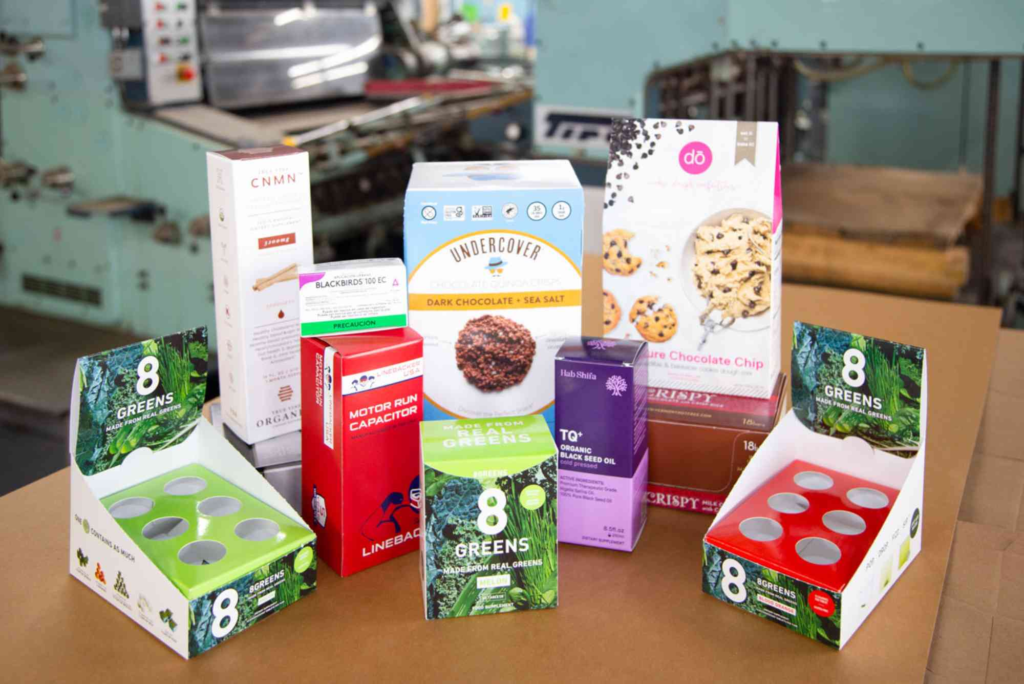
Packaging Design Trends: What’s Shaping the Future of Packaging
Packaging is no longer just about protecting a product—it’s a powerful brand touchpoint. In today’s competitive market, packaging design trends play a critical role in how consumers perceive, choose, and stay loyal to brands. From sustainability-driven materials to bold typography and smart packaging, design choices can directly influence buying decisions.
As consumer expectations evolve and technology advances, packaging must balance aesthetics, functionality, and ethics. In this article, we’ll explore the most important packaging design trends dominating the market, why they matter, and how brands can apply them effectively to stay ahead.
Why Packaging Design Trends Matter More Than Ever
Before diving into specific trends, it’s important to understand why keeping up with packaging design trends is essential for modern businesses.
Well-designed packaging:
- Builds instant brand recognition
- Communicates product value and quality
- Influences purchase decisions at the shelf or online
- Reflects brand values such as sustainability and innovation
In an era of social media and unboxing videos, packaging is often the first experience customers have with a brand—making design a strategic investment, not a cosmetic one.
Sustainable and Eco-Friendly Packaging Design Trends
Minimal Environmental Impact
Sustainability is no longer optional—it’s expected. One of the strongest packaging design trends is the shift toward eco-friendly materials such as recycled cardboard, biodegradable plastics, and compostable packaging.
Brands are reducing excess packaging and focusing on:
- Mono-material designs for easier recycling
- Plastic-free alternatives
- FSC-certified paper and soy-based inks
This trend resonates especially with environmentally conscious consumers who actively seek brands aligned with their values.
Transparent Sustainability Messaging
Another key trend is clearly communicating sustainability efforts on the packaging itself. Icons, short statements, and QR codes help consumers understand how to recycle or reuse packaging correctly.
Minimalist Packaging Design Trends
Less Is More
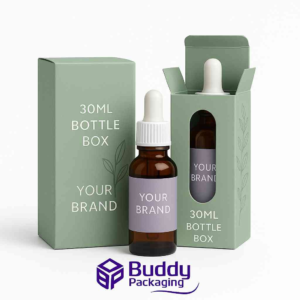
Minimalism continues to dominate packaging design trends across industries. Clean layouts, limited colour palettes, and simple typography help products stand out without overwhelming the customer.
Minimalist packaging:
- Looks premium and modern
- Improves brand clarity
- Works well in both physical and digital marketplaces
This approach is especially popular among skincare, tech, and lifestyle brands.
Focus on Functionality
Minimalism isn’t just about aesthetics—it’s also about usability. Easy-open designs, compact shapes, and clutter-free information improve the customer experience while reinforcing brand trust.
Bold Typography and Experimental Fonts
Typography as a Visual Hero
Typography-led packaging is one of the fastest-growing packaging design trends. Brands are using oversized fonts, custom lettering, and expressive typefaces as the main design element.
This trend works well because:
- Text becomes instantly recognizable
- It conveys brand personality quickly
- It stands out on crowded shelves
Balancing Readability and Creativity
While bold typography grabs attention, successful designs still prioritize legibility. Smart spacing, contrast, and hierarchy ensure information is easy to read across all platforms.
Personalised and Custom Packaging Experiences
The Rise of Customisation
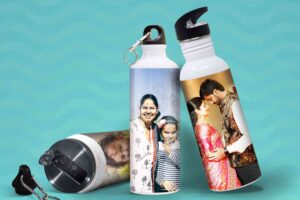
Personalisation is a powerful driver of customer engagement. Brands are increasingly offering limited-edition designs, personalised names, or region-specific packaging to build emotional connections.
Using Custom Packaging allows brands to tailor packaging to product size, audience preferences, and brand identity—creating a more memorable unboxing experience.
Short-Run Digital Printing
Advancements in digital printing have made customisation more accessible and cost-effective, even for small and medium-sized businesses.
Smart and Interactive Packaging Design Trends
QR Codes and Digital Integration
Smart packaging is transforming how brands interact with customers. QR codes on packaging can link to:
- Product tutorials
- Brand stories
- Sustainability information
- Loyalty programs
This bridges the gap between physical packaging and digital experiences.
Augmented Reality (AR)
Some brands are experimenting with AR-enabled packaging, allowing consumers to scan designs and access immersive content—an emerging but exciting packaging design trend.
Vintage and Retro-Inspired Packaging
Nostalgia as a Branding Tool
Retro design elements—such as classic fonts, muted colours, and old-school illustrations—are making a strong comeback. This packaging design trend taps into nostalgia while still feeling fresh when done thoughtfully.
Vintage-inspired packaging works particularly well for:
- Food and beverage brands
- Craft products
- Heritage or artisanal labels
Blending Old and New
The most effective retro designs combine nostalgic visuals with modern layouts and materials, maintaining relevance for contemporary consumers.
Bold Colours and High-Contrast Palettes
Standing Out on the Shelf
Vibrant colours and unexpected contrasts are increasingly used to capture attention in busy retail environments. Bright hues paired with strong branding help products remain memorable.
This trend is especially effective in:
- FMCG products
- Youth-oriented brands
- Online marketplaces where visuals matter
Strategic Colour Psychology
Successful packaging design trends don’t use colour randomly. Designers carefully choose palettes based on emotional responses, cultural meanings, and target demographics.
Storytelling Through Packaging Design
Packaging as a Narrative Tool
Modern consumers want to know the story behind what they buy. Packaging that communicates brand origin, values, or craftsmanship builds trust and emotional resonance.
Story-driven packaging may include:
- Short brand stories
- Illustrations of the production process
- Founder messages
This approach aligns strongly with Google’s E-E-A-T principles by showcasing authenticity and experience.
Practical Packaging Design Tips for Brands
Balancing Trends with Brand Identity
Not every trend fits every brand. Following packaging design tips from experienced designers can help businesses adopt trends without losing their core identity.
Key considerations include:
- Target audience preferences
- Product type and shelf environment
- Brand voice and long-term strategy
Testing and Iteration
Successful brands test packaging designs through focus groups, A/B testing, or limited launches before full-scale production.
Local Branding and Geographic Identity
Location-Based Branding
Some brands are incorporating geographic elements into their packaging, such as city names, landmarks, or cultural symbols. Highlighting a Buddy Packaging Location can strengthen local trust and authenticity.
This trend is particularly effective for:
- Local businesses
- Artisanal brands
- Region-specific products
Packaging Design Trends in E-Commerce
Designed for Shipping and Unboxing
With the growth of e-commerce, packaging must be durable, lightweight, and visually appealing when opened at home.
Popular e-commerce packaging design trends include:
- Protective yet minimal designs
- Branded interior packaging
- Reusable boxes
Instagram-Worthy Packaging
Social sharing has become a design consideration. Packaging that looks good on camera increases organic brand exposure.
Future Outlook: What’s Next for Packaging Design Trends?
Looking ahead, packaging design trends will continue to evolve around:
- Circular economy principles
- AI-assisted design processes
- Increased personalisation
- Smarter, data-driven packaging
Brands that stay adaptable and consumer-focused will benefit the most from these shifts.
FAQs
What are the latest packaging design trends?
The latest packaging design trends include sustainable materials, minimalist layouts, bold typography, smart packaging, and personalised designs.
Why is sustainable packaging important?
Sustainable packaging reduces environmental impact, meets consumer expectations, and enhances brand credibility.
How does packaging design affect consumer behavior?
Packaging design influences first impressions, brand perception, and purchase decisions—often subconsciously.
What industries benefit most from modern packaging design trends?
FMCG, cosmetics, food and beverage, e-commerce, and lifestyle brands benefit significantly from modern packaging design trends.
Is custom packaging expensive?
With digital printing and short-run production, custom packaging has become more affordable for businesses of all sizes.
Turning Packaging Design Trends into Brand Growth
Packaging is no longer just a container—it’s a conversation between brands and consumers. By embracing the right packaging design trends, businesses can strengthen brand identity, improve customer experience, and stay competitive in an evolving marketplace.